

The Belém-Antalya mechanism represents an institutional arrangement designed to support workers and communities transitioning away from fossil fuel dependence and toward low-emissions energy systems. The concept of a “just transition” emerged in the 1980s through collaboration between US labor unions and environmental justice groups, emphasizing that affected workers and communities should receive support during economic shifts. The principle gained international prominence when included in the 2015 Paris Agreement, which committed signatories to consider “the imperatives of a just transition of the workforce and the creation of decent work and quality jobs.”
The formal push for institutional mechanisms began at COP24 in Katowice, where the Polish presidency highlighted just transition issues through the “Silesia declaration.” This momentum led to the establishment of a formal “work programme on just transition” at COP27 in Egypt. However, subsequent negotiations proved contentious, with developed and developing nations disagreeing about whether the focus should remain domestic or extend to global support for transitions in developing countries. Talks at COP29 in 2024 concluded without agreement, prompting civil society organizations to advocate for a new approach.
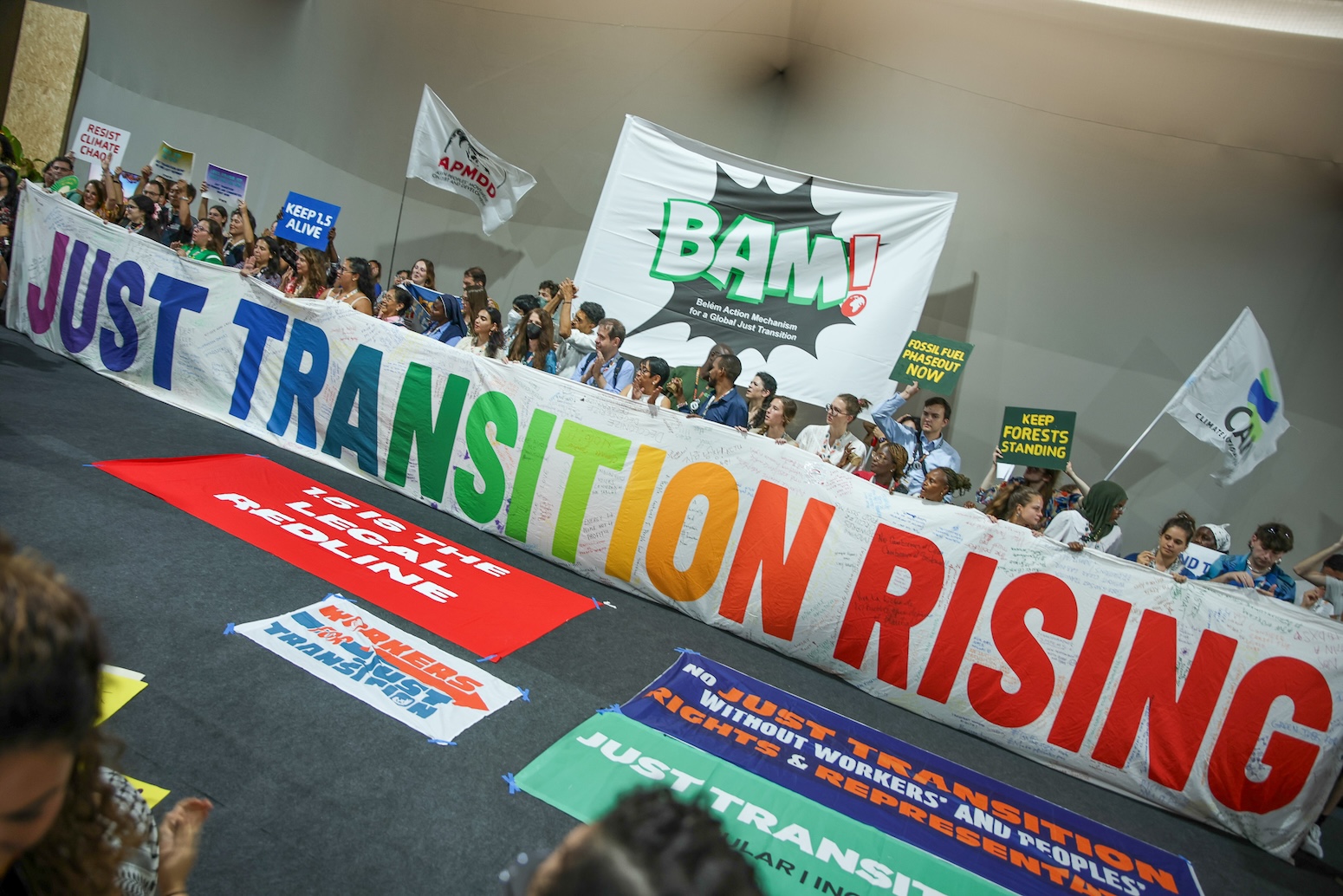
At COP30 in Belém last year, parties agreed to establish an institutional mechanism to operationalize just transition work beyond dialogue forums. Civil society groups, including trade unions, climate organizations, and Indigenous peoples’ representatives, had campaigned extensively for this arrangement through proposals, media campaigns, and advocacy efforts. The mechanism was designed to translate years of discussions into concrete action on the ground.
As negotiations progress toward COP31, significant disagreement persists regarding the mechanism’s specific functions, scope, and financing arrangements. Developed and developing nations continue to diverge on priorities, with some countries pushing for a global platform to assist transitions in developing economies, while others favor domestic-focused approaches. The financing question remains particularly contentious, with parties yet to agree on how the mechanism will be funded and implemented.
Article Attribution | Read More at Article Source
Article summary produced by Claude AI