

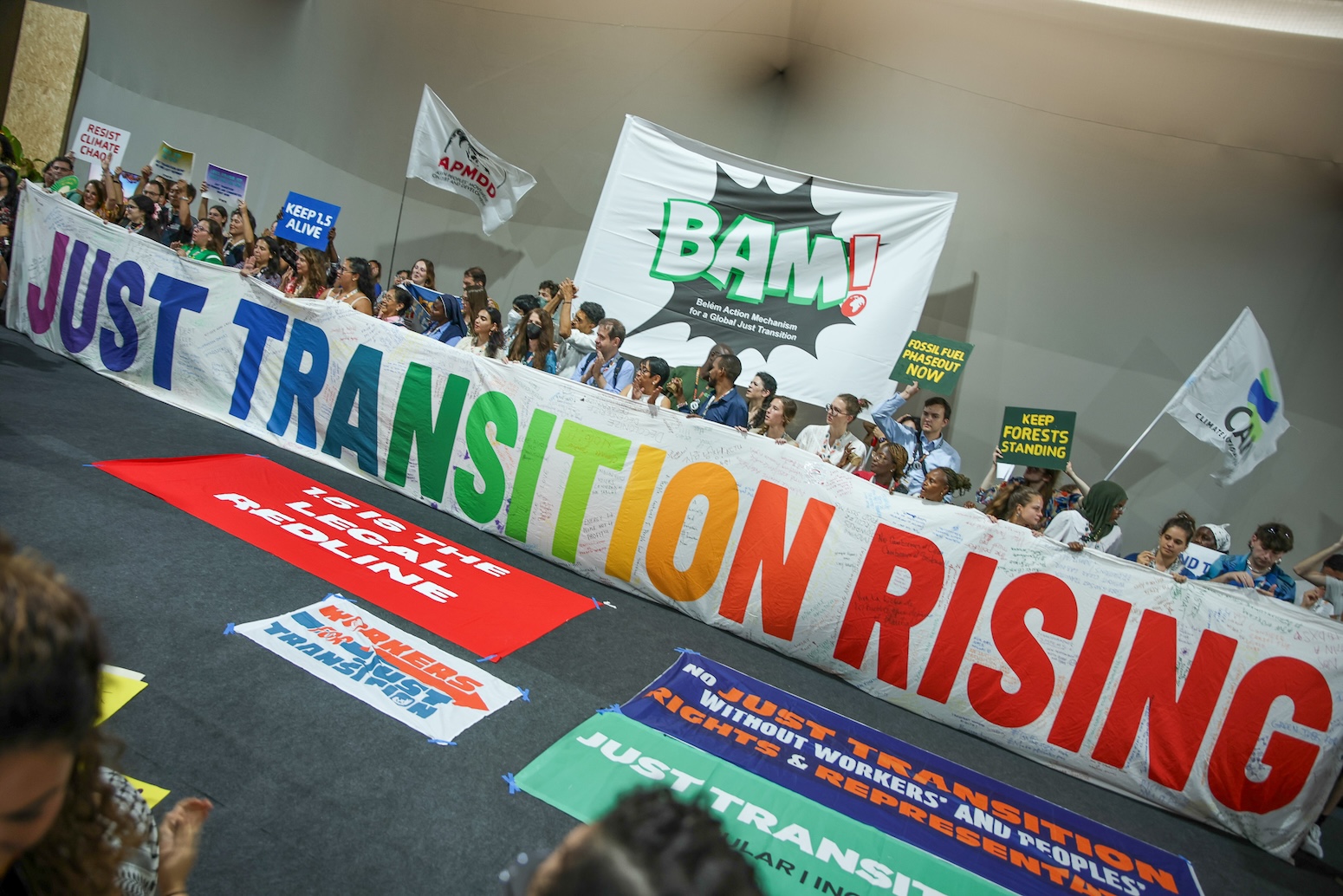
The upcoming COP31 climate summit in Antalya is expected to advance the launch of a “just transition mechanism,” formally known as the Belém-Antalya mechanism (BAM). This institutional arrangement emerged from agreements made at COP30 in Brazil last year and represents efforts to move from dialogue to concrete action on supporting workers and communities affected by the global shift away from fossil fuels toward low-emissions energy systems.
The concept of “just transition” traces its origins to the 1980s, when labor unions in the United States formed partnerships with environmental justice organizations. The principle gained international recognition through the 2015 Paris Agreement, which committed parties to consider “the imperatives of a just transition of the workforce and the creation of decent work and quality jobs.” Over the following years, the idea expanded across climate negotiations, with COP24 in Poland highlighting the issue through the “Silesia declaration,” and COP27 in Egypt formally establishing a work programme on just transition.
Civil society organizations, including trade unions, environmental groups, youth advocates, and Indigenous representatives, have played a central role in pushing for the BAM’s development. These coalitions engaged in extensive advocacy efforts—from policy papers and joint letters to creative campaigns—to elevate the mechanism on the international agenda. At Bonn climate negotiations in June 2026, the concept gained significant traction when draft texts incorporated the possibility of establishing such an institutional arrangement.
However, substantial disagreement persists among parties regarding the BAM’s structure and financing. Developed nations tend to focus on domestic workforce transitions within their own countries, while some developing nations advocate for a broader global approach that includes international support for transitions in their regions. The question of how the mechanism will be financed remains particularly contentious, with no consensus yet reached on funding mechanisms or governance structures as COP31 approaches.
Article Attribution | Read More at Article Source
Article summary produced by Claude AI