

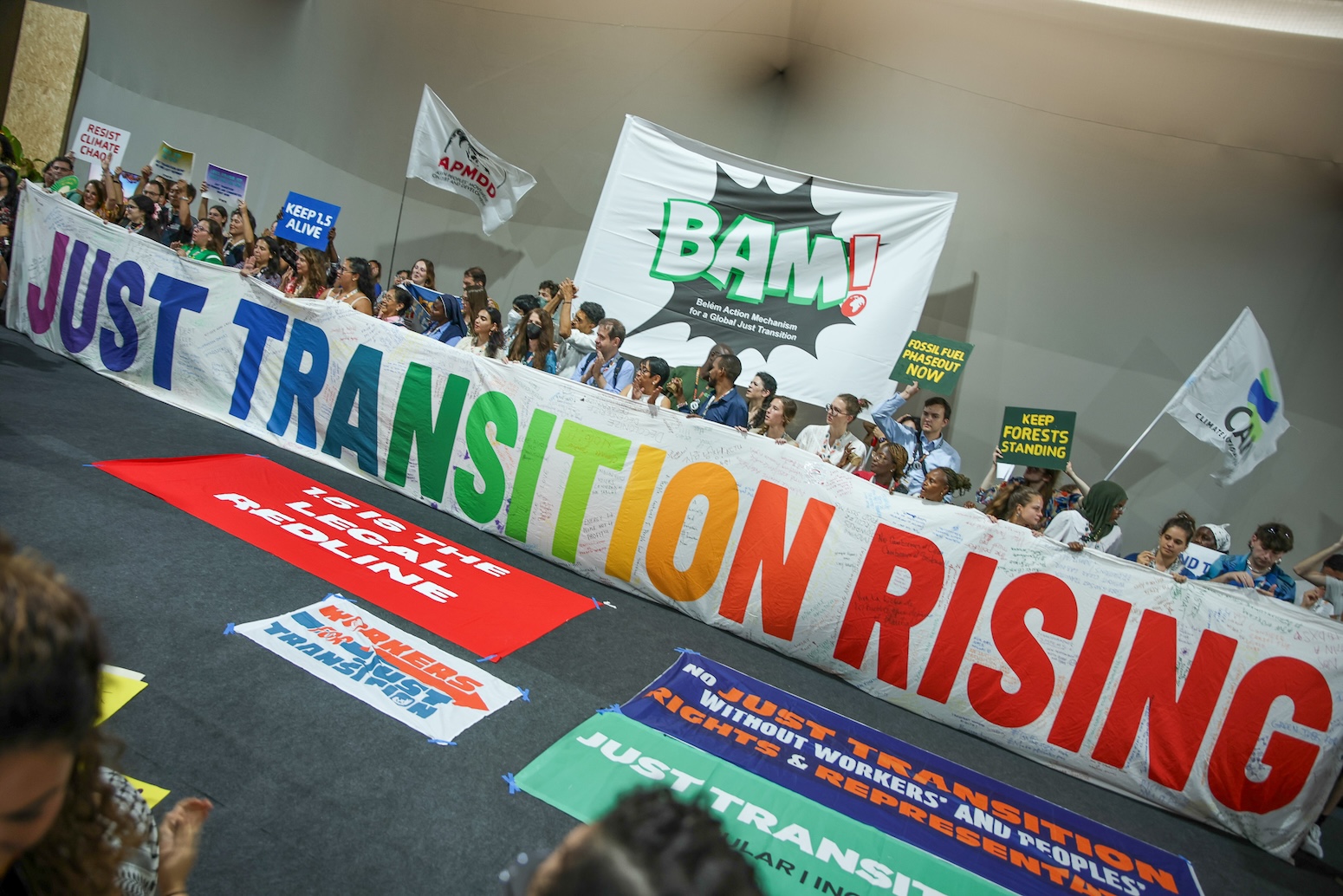
The upcoming COP31 climate summit in Antalya, Turkey is anticipated to formally establish the Belém-Antalya mechanism, an institutional framework designed to facilitate “just transitions” as global economies shift toward low-emissions energy systems. The concept of a just transition—ensuring workers and communities are supported during shifts to low-carbon economies—originated in the 1980s through alliances between U.S. labor unions and environmental justice groups. This principle became formalized in the 2015 Paris Agreement, which committed signatories to consider the needs of workers and job creation during climate transitions.
The path toward institutional action accelerated following COP24 in Katowice, where the Polish presidency advanced just transition discussions through the Silesia declaration. Momentum continued with the formal establishment of a work programme on just transitions at COP27 in Egypt. However, negotiations under this framework have faced significant obstacles, with disagreements between developed and developing nations over whether initiatives should focus on domestic workforces or provide global support. Talks at COP29 concluded without agreement, prompting civil society organizations to advocate for a more concrete institutional mechanism rather than continued dialogue-based approaches.
Civil society groups, including labor organizations, feminist networks, youth activists, and Indigenous peoples’ representatives, mobilized extensively to advance the mechanism concept. These efforts encompassed policy advocacy, joint letters, public demonstrations, and creative campaigns designed to elevate the issue on the international agenda. Their persistence contributed to the inclusion of institutional arrangement options in draft texts circulated during the June 2025 Bonn negotiations, described as a significant victory for these constituencies.
At COP30 in Brazil, parties agreed to establish the new mechanism, which civil society hailed as a major achievement. However, substantial questions remain unresolved heading into COP31. Developed and developing countries continue to disagree on the mechanism’s core functions, scope, and particularly on critical financing arrangements. These unresolved disputes suggest negotiations will likely remain contentious as the summit approaches.
Article Attribution | Read More at Article Source
Article summary produced by Claude AI