

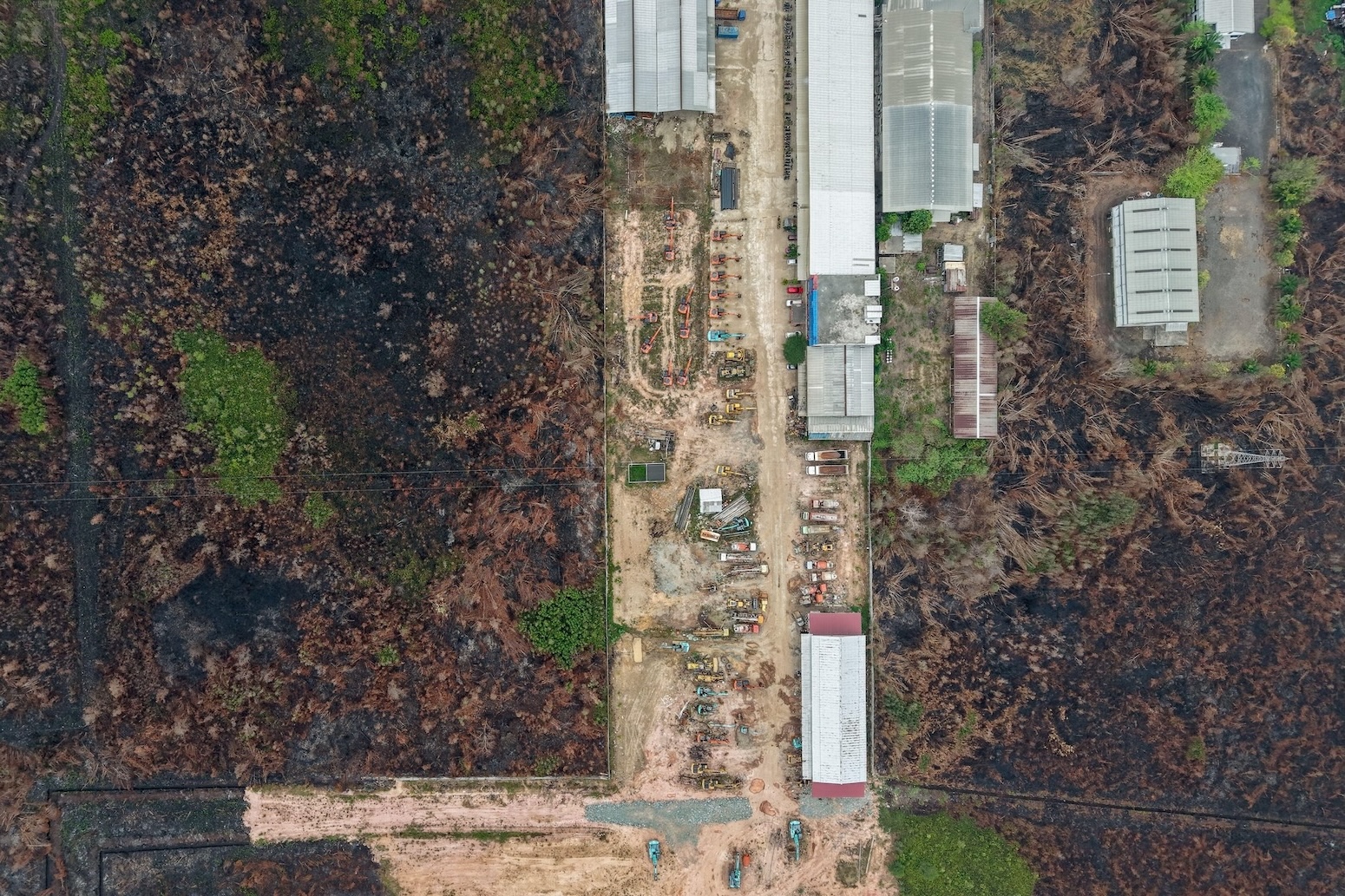
On 3 November, the Brazilian presidency of COP30 unveiled a long-anticipated roadmap focused on reversing deforestation globally. The initiative originated as a proposal from Brazilian president Luiz Inácio Lula da Silva during the Belém summit and quickly gained traction among participating nations, though it ultimately remained outside the official negotiated outcomes of the climate talks.
The roadmap emerged from an inclusive consultation process following COP30’s conclusion, during which the presidency and the Climate Policy Initiative sought input from governments, civil society organizations, Indigenous peoples, researchers, and private sector representatives. The secretariat received over 200 contributions, with 18 countries and four negotiating blocs—including the European Union and the Coalition for Rainforest Nations—formally providing input. The document was released shortly before COP31 at a launch event in Brasilia.
The roadmap structures forest action into three complementary components: national efforts, international architecture, and financial mechanisms. For national action, it identifies 18 policy approaches countries can employ to combat deforestation and forest degradation, ranging from establishing protected areas to recognizing Indigenous territorial rights and restricting permits for forest conversion activities. Each approach includes evidence of effectiveness and examples of current implementation across different nations.
The document also outlines enabling conditions necessary for effective national-level action, such as strengthening land governance and promoting environmental education. Additionally, it proposes a five-step process for countries to follow when developing their forest protection strategies, accompanied by guiding questions to support each phase. On the international level, the roadmap examines how existing environmental and human-rights instruments address deforestation through different mechanisms.
At the launch event, the presidency highlighted Brazil’s recent deforestation reduction of over 70 percent since 2022, describing the roadmap as a “living document” intended to provide practical pathways for climate action. Officials stated that the roadmap does not introduce new commitments but rather aims to translate existing forest-related international agreements into coordinated, country-led implementation while accommodating varying national circumstances and priorities.
Article Attribution | Read More at Article Source
Article summary produced by Claude AI