

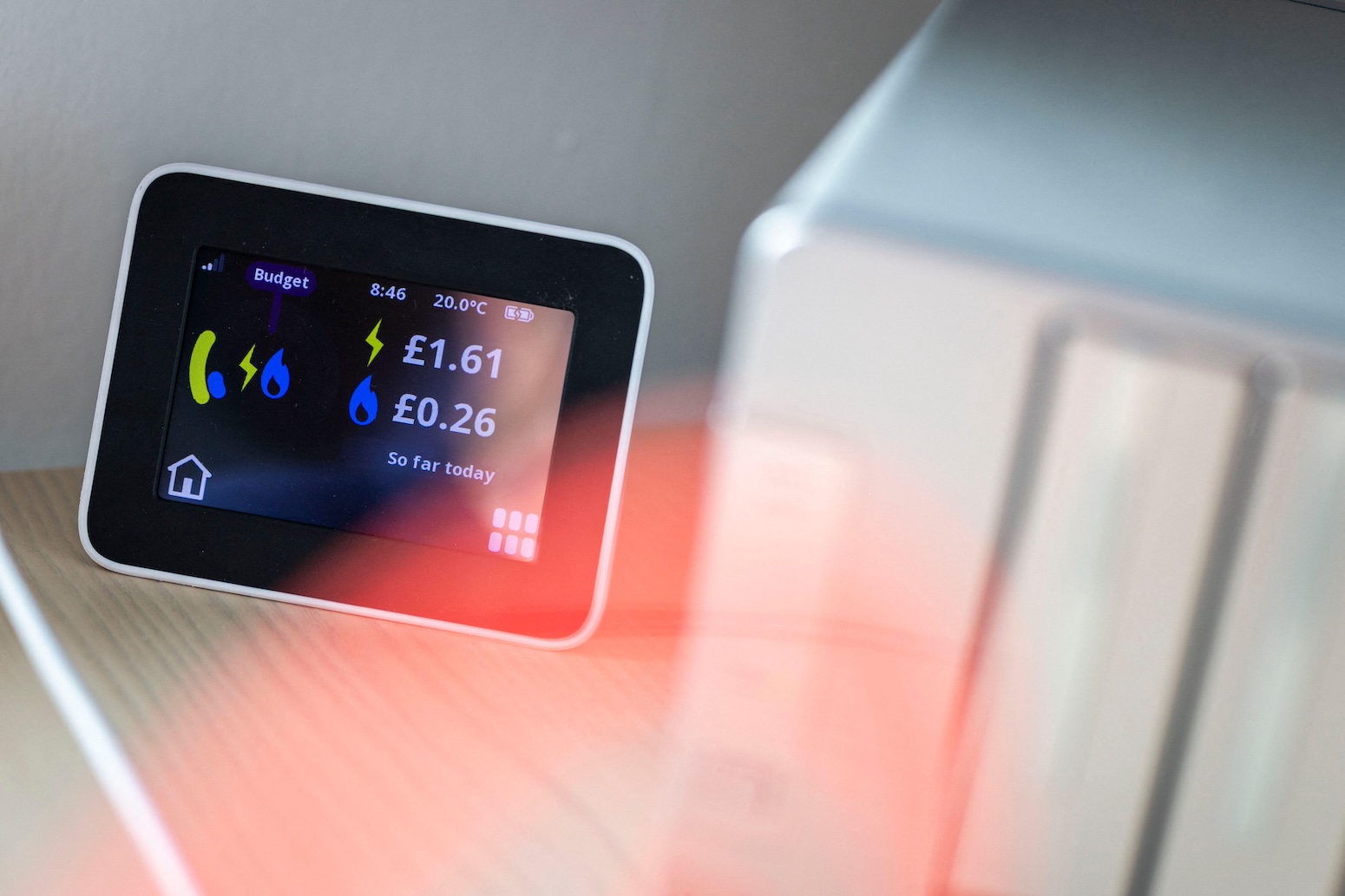
Household energy bills in the UK have surged to their highest levels in several years, reaching £1,723 per year in October 2026 and projected to rise approximately 25 percent further in January 2027. The escalation is primarily attributed to wholesale gas prices, which have been driven upward by geopolitical tensions including the Iran war. Energy costs have not reached these levels since 2022, when the UK government deployed over £60 billion in consumer support following the Russian invasion of Ukraine.
Wholesale electricity and gas costs comprise 44 percent of current household energy bills, while network charges account for 24 percent and operating costs represent 17 percent, with policy costs making up just 7 percent of the total. Analysis indicates that wholesale cost increases driven by expensive gas are responsible for more than 80 percent of the rise in dual-fuel household energy bills since 2020. The second-largest contributing factor stems from costs associated with operating, maintaining, and expanding gas and electricity networks.
Network investment charges are expected to increase substantially, rising approximately 50 percent between 2025 and 2030, from £222 to £330 annually for a typical household. Energy regulator Ofgem approved £29 billion in upfront grid investment, part of a broader package extending to approximately £90 billion through 2031. The regulator indicates that roughly three-fifths of the anticipated rise in network charges relates to routine maintenance of aging infrastructure following decades of underinvestment, with the remainder directed toward grid expansion to accommodate renewable energy sources.
Various options have been proposed to address elevated bills, including reallocating policy costs away from electricity bills, enhancing grid flexibility, and promoting adoption of more efficient technologies such as heat pumps and electric vehicles. Industry advocates emphasize that continued investment in grid infrastructure is essential to manage costs as renewable energy generation expands. The debate has intensified around whether to accelerate the clean-energy transition, proceed more gradually, or shift focus toward increased reliance on gas generation.
Article Attribution | Read More at Article Source
Article summary produced by Claude AI