

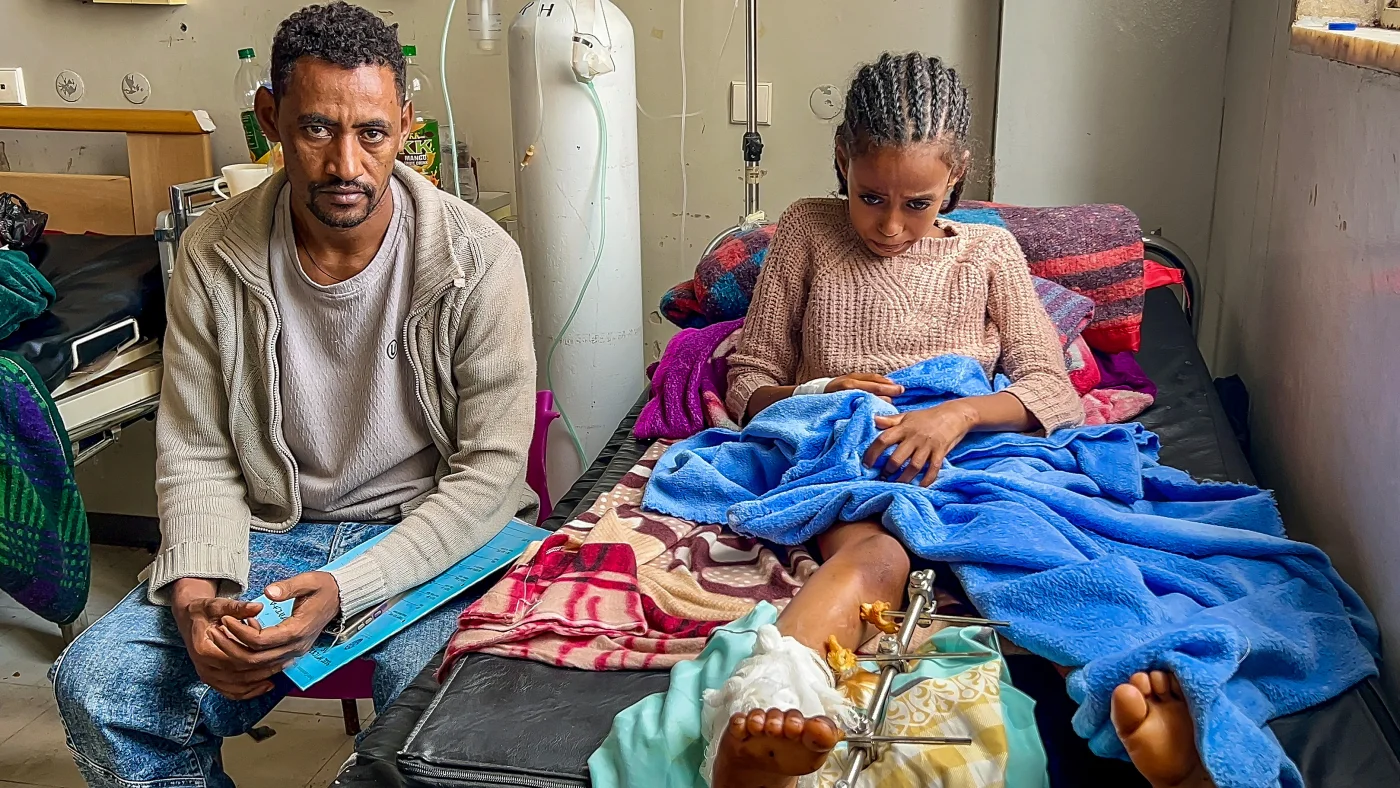
Renewed conflict in Ethiopia’s northern Tigray region has placed severe strain on an already fragile healthcare infrastructure. Fighting broke out on September 23 between the Tigray People’s Liberation Front and federal government forces, prompting concerns about a potential return to the civil war that occurred from 2020 to 2022. Hospitals in the regional capital of Mekele have been inundated with trauma patients, according to medical staff who described conditions as chaotic during the initial escalation in late September. A surgeon at one facility recalled treating casualties from gunfire, drone strikes, and mortar attacks while operating without reliable communication networks or electricity for several days.
The renewed violence has compounded existing healthcare challenges in the region. Prior to the recent fighting, Ethiopia’s federal government had cut funding to Tigray, including hospital budgets, after Tigrayan rebels ousted regional leaders in May. Healthcare workers have gone unpaid for extended periods, and facilities have struggled to function even before the current crisis. A health worker in the region reported more than 100 maternal deaths over the past year, which he attributed to the deteriorating condition of medical services. The World Health Organization’s director-general, Tedros Adhanom Ghebreyesus, stated that the violence is pushing the already fragile health system closer to collapse.
The situation reflects broader global concerns about attacks on healthcare infrastructure during armed conflicts. Data collected by the WHO indicates that attacks on health facilities and workers in 19 countries during 2026 have resulted in more than 960 deaths. Researchers have documented targeted attacks on healthcare settings perpetrated by both government forces and rebel groups in northern Ethiopia between 2020 and 2024, with 63% of surveyed health workers reporting attacks on ambulances and 57% witnessing armed takeovers of medical facilities. Public health experts note that such attacks are generally considered war crimes and have become an increasing concern in conflict zones globally.
Recovery prospects for the region remain unclear given the compounding pressures. The previous Tigray war lasted two years and killed an estimated 600,000 people, leaving most health facilities in the region only partially functional. Recent funding cuts to global health initiatives, including changes to U.S. foreign aid programs, have further restricted resources available for rebuilding. Healthcare advocates emphasize that the pattern of attacks on medical infrastructure has proceeded without accountability from either side of the conflict, leaving victims with limited recourse for justice.
Article Attribution | Read More at Article Source
Article summary produced by Claude AI