

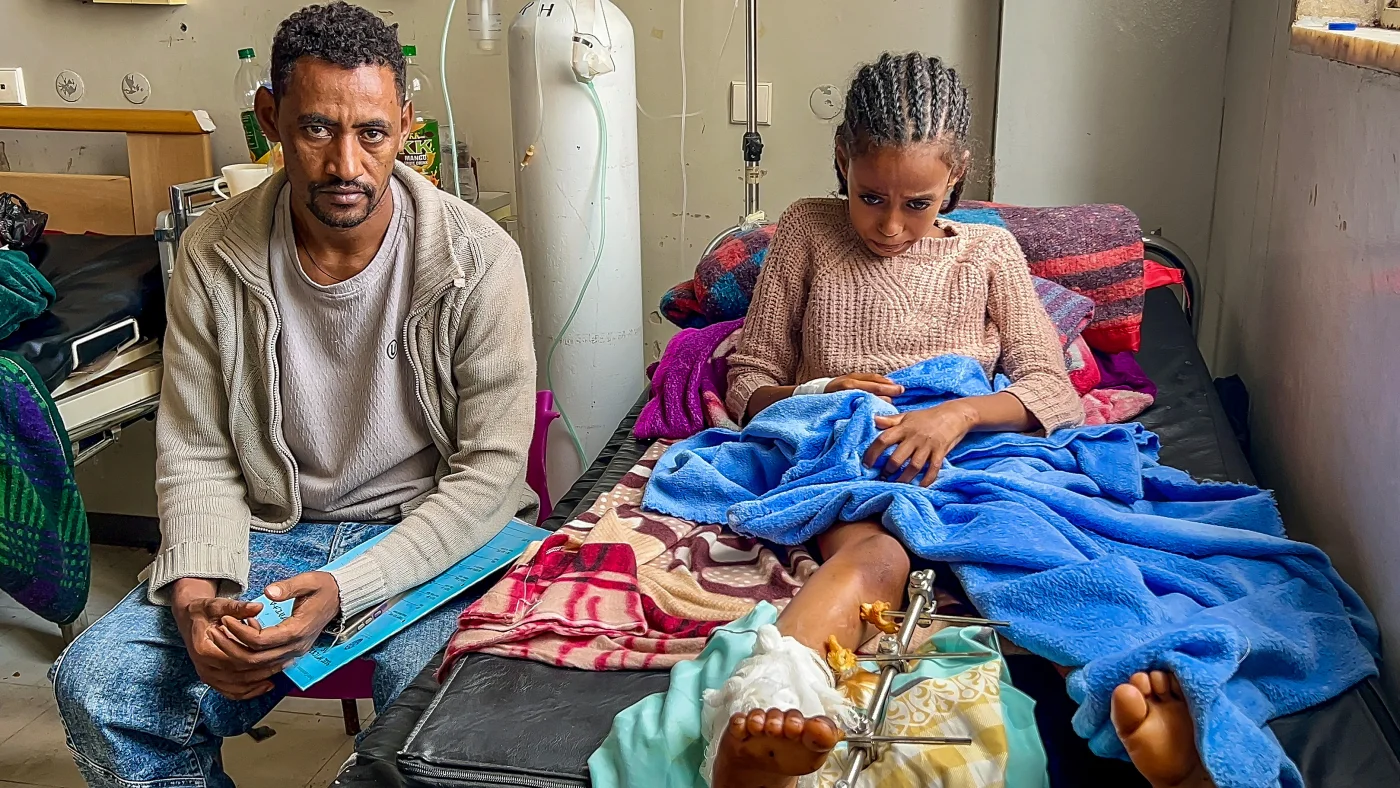
Renewed conflict in northern Ethiopia between the Tigray People’s Liberation Front and federal forces began on September 23, following the breakdown of a ceasefire that had held for two years. The resurgence of violence has created severe strain on the region’s healthcare infrastructure, with medical facilities in Mekelle and surrounding areas inundated with trauma cases during the initial phase of hostilities.
A surgeon working in a hospital in Mekelle described the overwhelming conditions during the early days of fighting, noting that emergency rooms became filled with patients suffering from gunfire wounds, drone strikes, and mortar attacks. The lack of cellular network and electricity during this period complicated efforts to prepare for incoming casualties, as medical staff had no ability to anticipate patient volumes. The surgeon reported that floors became so crowded with injured people that there was limited space for staff to move. Conditions remained chaotic for approximately seven to eight days as violence continued in the surrounding countryside.
The renewed hostilities occur against a backdrop of ongoing damage to the healthcare system from the previous conflict, which lasted two years and resulted in approximately 600,000 deaths. A 2026 report by Physicians for Human Rights found that among more than 600 health workers surveyed across northern Ethiopia, 63% reported attacks on ambulances and 57% reported armed takeovers of clinics or hospitals between 2020 and 2024. Researchers documented targeted attacks perpetrated by both rebel and government forces, often motivated by perceived community allegiances or retaliation against medical staff.
According to World Health Organization data, attacks on healthcare facilities and workers in 19 countries during 2026 resulted in more than 960 deaths globally. The WHO director-general noted that hospitals in affected Ethiopian regions face critical shortages of staff, medications, and ambulances. Additionally, funding cuts to international health initiatives following changes in U.S. foreign policy have further limited resources available to support recovery in the region. Health workers have documented increased mortality rates among vulnerable populations, with one worker reporting over 100 maternal deaths in Tigray during the preceding year, attributed to deteriorating healthcare system capacity.
Article Attribution | Read More at Article Source
Article summary produced by Claude AI