

The ongoing El Niño event in the tropical Pacific is on track to reach its peak intensity at the end of this year, with climate models projecting record-breaking impacts on global temperatures throughout next year. Carbon Brief’s analysis of forecasts from more than a dozen climate models indicates the phenomenon will reach an anomaly of approximately 4 degrees Celsius, surpassing the previous record set during the 2015-16 event by more than a degree.
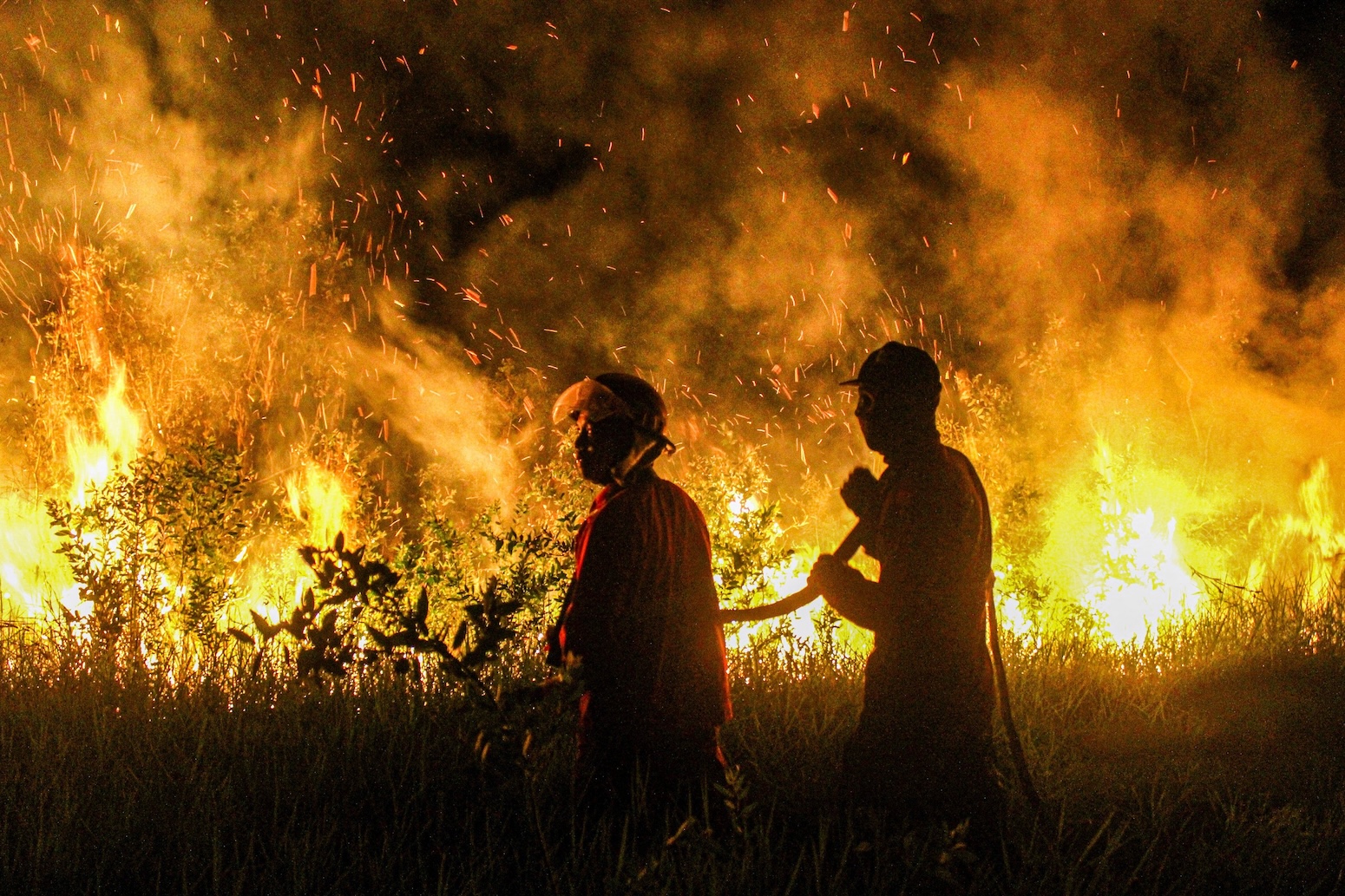
El Niño is a naturally occurring climate pattern that transfers heat from ocean waters into the atmosphere, temporarily elevating global temperatures. The current event, which commenced in June, has already established numerous records and significantly influenced weather patterns worldwide, including contributing to fires in Indonesia and intense typhoons across the western Pacific region. Scientific assessments characterize this El Niño as extraordinary, with researchers noting that sea surface temperatures have climbed to levels unprecedented in historical records.
Specific milestones underscore the intensity of the current event. In mid-September, the daily temperature anomaly in the central Pacific’s Niño3.4 region reached 3.11 degrees Celsius, breaking the satellite-era record from 2015. Additionally, September recorded the highest monthly temperature anomaly for the Niño3.4 region—2.84 degrees Celsius—since comprehensive sea surface temperature measurements began in the mid-1800s.
Climate models currently suggest that peak intensity will occur in December, with the majority predicting this timing. The effects on global temperatures are anticipated to be most pronounced throughout 2027, as global temperatures typically lag tropical Pacific warming by approximately three months. Projections indicate the 2027 average global temperature could reach around 1.74 degrees Celsius above pre-industrial levels, with a 96 percent probability that it will become the warmest year on record. While greenhouse gas emissions drive long-term global warming trends, year-to-year temperature variations are substantially influenced by El Niño conditions.
Article Attribution | Read More at Article Source
Article summary produced by Claude AI