

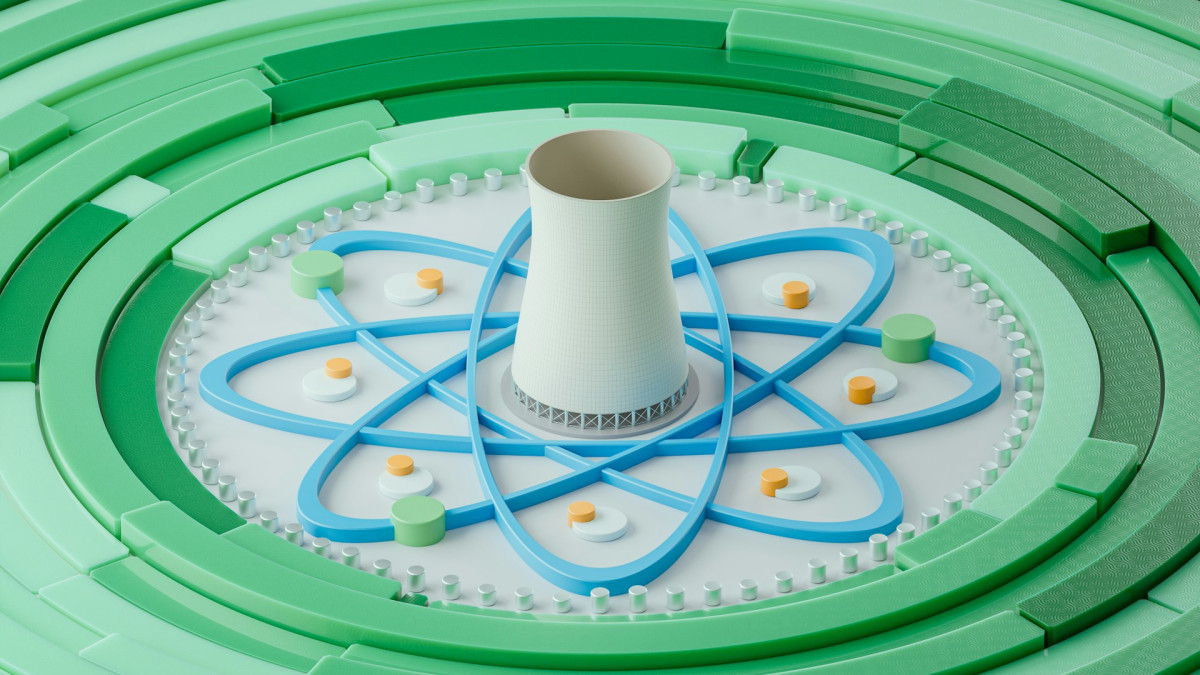
Small modular reactors, or SMRs, have long been promoted as a transformative technology for nuclear power generation, but progress has remained limited despite considerable investment and enthusiasm. These compact reactors can be manufactured in factories and assembled on-site in customizable configurations, offering potential advantages over traditional large-scale nuclear plants that require extensive capital investment and extended development periods. The U.S. has added only one new nuclear plant to its electrical grid over the last decade, creating opportunity for alternative approaches.
SMRs are designed to address several limitations of conventional nuclear infrastructure while offering competitive benefits compared to other low-emission energy sources. They require significantly less land than traditional reactors and incorporate enhanced safety features through built-in safeguards. Unlike variable renewable energy sources such as wind and solar, SMRs can generate power continuously. However, renewable projects themselves face expanding obstacles to growth due to land availability constraints and local community resistance in many regions.
Despite potential advantages and substantial government backing, SMR commercialization has progressed slowly worldwide. Only two reactor designs have received U.S. approval, and many proposed projects have encountered setbacks. Industry analysis indicated that while over 120 distinct SMR designs exist globally, most remain in preliminary regulatory stages rather than active deployment. Recent developments have shifted this trajectory, with the Tennessee Valley Authority receiving authorization in late September to construct a commercial SMR facility utilizing GE Vernova Hitachi’s BWRX-300 reactor design.
Further momentum has emerged this week through an engineering partnership between Sargent & Lundy and ENTRA1 Energy aimed at deploying scalable SMR plants internationally using NuScale’s certified reactor design, the only proprietary SMR to achieve U.S. Nuclear Regulatory Commission approval. Industry observers note that translating SMR technology from regulatory frameworks into functional grid integration requires specialized engineering expertise. The collaboration combines an established nuclear sector firm with seven decades of experience alongside a newer organization with technological innovation capabilities, potentially accelerating real-world deployment timelines.
Article Attribution | Read More at Article Source
Article summary produced by Claude AI