

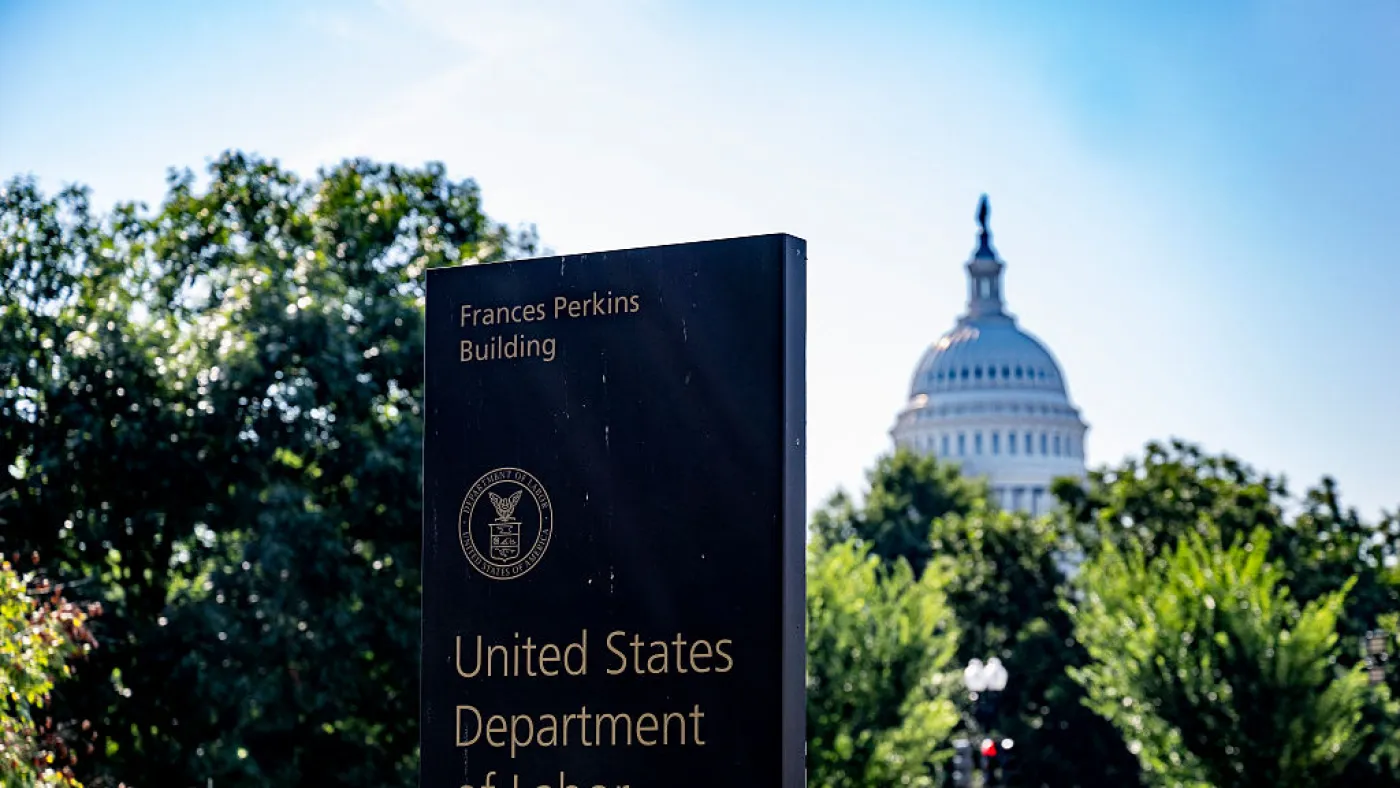
The Supreme Court heard arguments in a case examining the constitutional authority of federal regulatory agencies to impose monetary fines on businesses that violate federal law, a matter that could reshape how government enforces regulations across multiple sectors.
The dispute centers on the Department of Labor’s half-million-dollar fine against Sun Valley Orchards, a New Jersey farm operation, for violations in its use of a federal temporary migrant worker program. The cited infractions included providing unsafe drinking water, overcrowded housing with 20-bunk rooms, broken facilities, and failure to pay promised wages. Sun Valley contests the agency’s authority to impose such penalties through administrative proceedings, arguing that the process violates constitutional protections, particularly the right to a jury trial in federal court.
During oral arguments on Tuesday, the justices expressed considerable skepticism about the scope of executive authority. Chief Justice John Roberts suggested that administrations have stretched executive power beyond reasonable bounds, potentially encroaching on judicial functions. Justice Sonia Sotomayor questioned whether federal courts should handle such enforcement instead, while Justice Elena Kagan pressed for clarification on why administrative agencies should not always defer to court proceedings.
The government’s counsel warned that restricting agency authority to impose penalties would create widespread disruption. Deputy Solicitor General Sarah Harris contended that requiring all civil penalties to go through federal courts would be catastrophic, resulting in massive under-enforcement of laws across programs including Medicare, Medicaid, and federal student loans. Justice Ketanji Brown Jackson expressed concern that the plaintiff’s position would undermine Congressional intent to protect domestic workers from wage undercutting.
Sun Valley’s lawyer argued that while the law permits penalties, it does not specify where they should be adjudicated, contending that federal courts rather than administrative agencies should decide such matters. Justice Brett Kavanaugh suggested this approach would create systemic clarity problems, while Justice Samuel Alito criticized it as inconsistent. The government emphasized that a ruling against its position would necessitate Congressional action to restructure numerous regulatory frameworks.
Article Attribution | Read More at Article Source
Article summary produced by Claude AI