

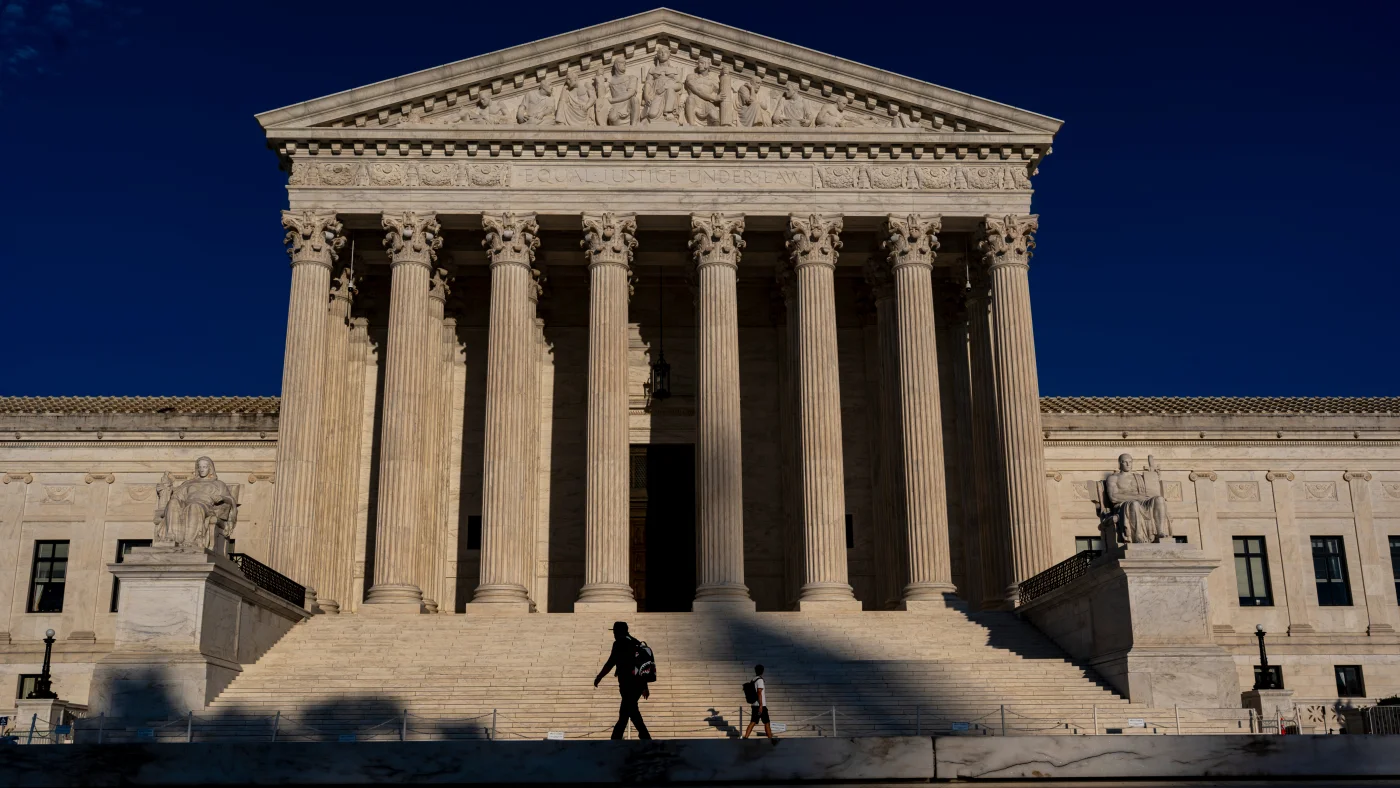
The Supreme Court is set to hear a case that could determine the scope of legal accountability for federal law enforcement officers accused of constitutional violations. The dispute centers on Kekai Watanabe, a prisoner who alleges a nurse at a federal prison in Hawaii provided inadequate medical care following a gang-related attack, denying him his Eighth Amendment protections.
The case draws on a 1971 Supreme Court precedent known as Bivens that established a right to sue federal officers for wrongdoing. However, defenders of the status quo argue the doctrine has become ineffective over time. Mary Hampton Mason, who spent nearly 35 years at the Justice Department evaluating such claims, stated that successful outcomes for plaintiffs are exceedingly rare, noting she is aware of only one Bivens judgment in favor of plaintiffs in thousands of filed cases over the past 20 years that was not reversed on appeal. Mason suggested the court should eliminate the Bivens precedent, arguing it provides false hope to plaintiffs.
Opponents of limiting Bivens protections contend that financial liability for individual officers serves as a deterrent against misconduct and provides remedies for victims. Gregory Cui of the MacArthur Justice Center emphasized that damages allow individuals to recover medical expenses and rebuild their lives following violations. Cui also reported that internal grievance processes within federal prisons rarely succeed, with inmates prevailing only 1 percent of the time in addressing concerns such as medical access.
Legal experts note the case arrives during heightened scrutiny of federal immigration enforcement practices. They warn that eliminating Bivens protections could create absolute immunity for federal officers. Observers on both sides acknowledge that Congress possesses the authority to establish alternative legal mechanisms for holding federal officers accountable, though such legislation has not yet advanced significantly in the legislature.
Article Attribution | Read More at Article Source
Article summary produced by Claude AI