

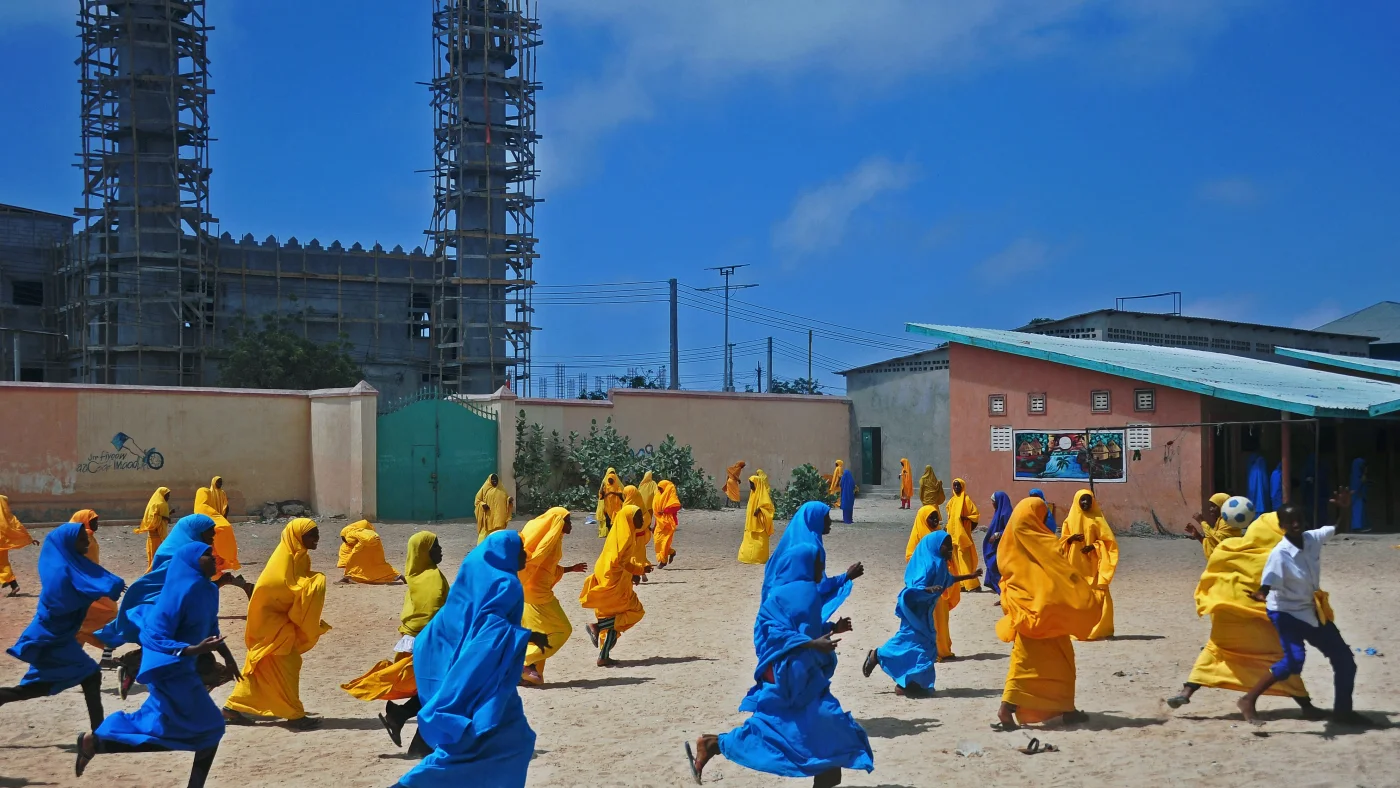
A comprehensive analysis of adolescent physical activity across 140 countries has found that the majority of teenagers are not meeting World Health Organization guidelines calling for at least one hour of daily moderate-to-vigorous exercise. The study, published in The Lancet Global Health and drawing on survey data from over 3 million adolescents collected over the past 15 years, identified significant disparities in activity levels both geographically and by gender.
Globally, approximately 14% of adolescents reported achieving the recommended daily exercise, with the average teenager reporting fewer than three days per week of adequate physical activity. One in four respondents indicated they engaged in no moderate-to-vigorous exercise on any day during the week. Health officials expressed concern that physical activity trends have remained essentially unchanged over the preceding 15-year period, suggesting that current approaches are insufficient to drive meaningful improvements.
Adolescents from low- and middle-income countries consistently reported lower activity levels than their peers in wealthier nations. Researchers attributed this disparity to multiple environmental and social factors, including urban design that limits walkability, safety concerns that discourage independent outdoor activity, and restricted access to sports facilities and programs. Screen-based entertainment and sedentary indoor activities also contribute to reduced physical engagement, particularly in urban settings where environmental factors may further discourage outdoor movement.
A pronounced gender gap emerged across virtually all countries examined. Approximately 30% of girls reported engaging in no weekly exercise compared to 22% of boys, while only 11% of girls achieved daily activity levels versus 17% of boys. Experts attributed these differences to cultural norms and social expectations that discourage girls’ participation in outdoor and athletic activities, particularly following puberty. In some contexts, girls’ physical activity is redirected toward household chores rather than intentional exercise, producing different health outcomes despite similar activity duration.
Experts highlighted schools as potential leverage points for addressing the global trend, noting that countries with higher adolescent activity levels typically offer structured sports opportunities during or after instructional time. Implementing such programs would require sustained policy commitment and investment in accessible, affordable athletic opportunities for all students.
Article Attribution | Read More at Article Source
Article summary produced by Claude AI