

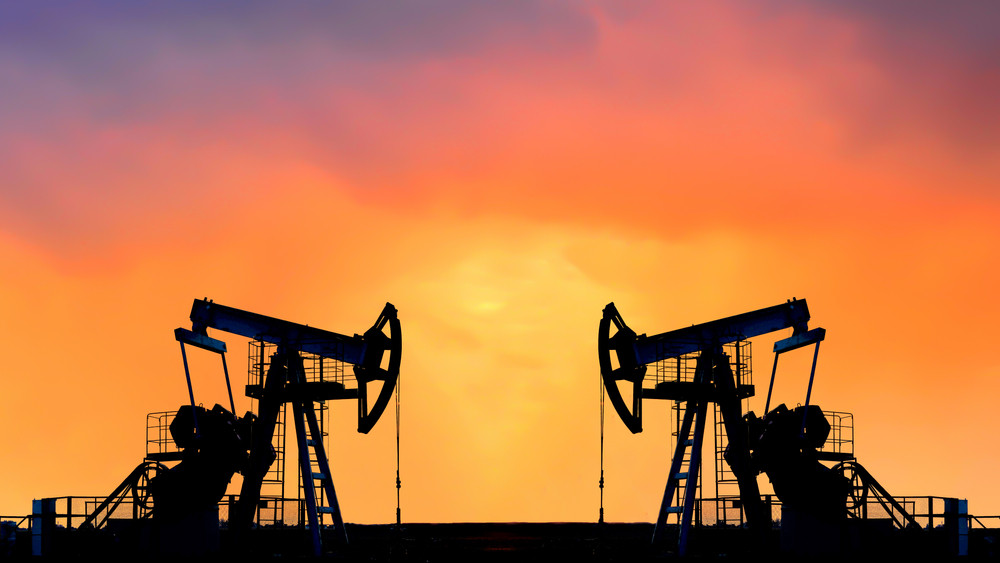
A conflict involving Iran that commenced in February has disrupted critical global energy infrastructure, particularly the Strait of Hormuz, which previously handled approximately one-fifth of the world’s oil and liquefied natural gas supplies. Prior to the restrictions, the waterway facilitated roughly $600 billion in annual energy trade according to 2025 figures. The resulting blockade has forced numerous countries to seek alternative energy suppliers, creating significant opportunities for U.S. oil and gas producers.
According to analysis from the New York Times, U.S. oil firms have generated over $130 billion in profit this year, compared with less than $47 billion during the same period the previous year. The profitability surge reflects both elevated fuel prices and heightened demand resulting from supply constraints. Major producers Exxon Mobil and Chevron have reported particularly strong results, with earnings more than doubling and nearly tripling respectively in the third quarter. European oil majors including Shell and TotalEnergies have also experienced substantial profit increases.
Geopolitical analysts note that U.S.-based operators possess structural advantages in the current environment, including protection from elevated shipping costs through pipeline infrastructure and operational safety from ongoing regional conflicts. Conversely, Middle Eastern and Russian refining facilities have sustained damage from recent conflicts, reducing global refining capacity and enhancing the competitive position of American companies. These factors have allowed U.S. firms to capitalize on supply shortages more effectively than their international counterparts.
The windfall profits for energy companies have coincided with increased costs for American consumers, who have spent an estimated $147 billion—approximately $1,100 per household—on gasoline and diesel since the conflict’s onset. Current profit levels remain below those recorded in 2022 following Russia’s invasion of Ukraine, when oil prices averaged $100 per barrel compared with approximately $90 per barrel in the April-September period. Analysts expect U.S. and European fossil fuel companies to continue benefiting from elevated demand and prices as regional production constraints persist.
Article Attribution | Read More at Article Source
Article summary produced by Claude AI