

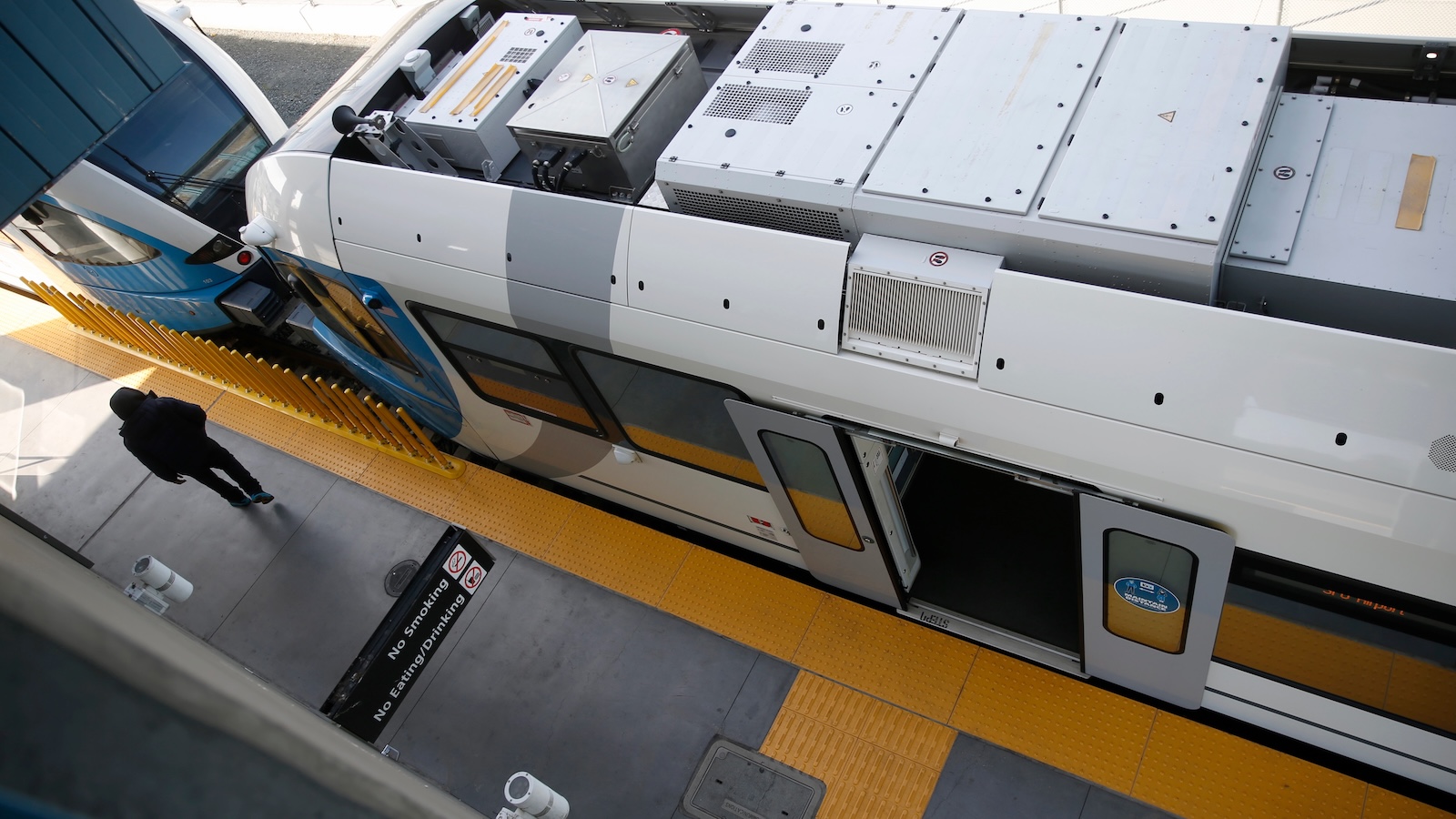
Voters across the nation demonstrated strong support for public transit funding on November 3, approving 22 out of 27 ballot measures that will provide $27.4 billion for transit preservation and expansion. The results came during an election cycle focused on affordability concerns, yet citizens showed willingness to increase taxes to support mobility options. Major victories included Bay Area voters preventing significant service cuts to regional transit systems, Colorado voters supporting new regional rail development, and residents in the Seattle and Pierce County areas backing expanded bus service.
Policy analysts noted the results indicate public prioritization of transit access alongside affordability. The transit-friendly outcomes occurred following strong transit support in the 2024 election cycle, when 19 of 25 transit measures passed. These consecutive waves of voter approval, regardless of broader political trends, suggest opportunities for state-level transit expansion. In Pennsylvania, where Democrats now control both legislative chambers, transit advocates highlighted potential investments including vehicle fleet modernization, improved regional rail service, and station accessibility upgrades for the Southeastern Pennsylvania Transportation Authority serving the Philadelphia region.
Statewide political shifts could influence transit prospects in other regions as well. Texas, where Republicans maintain Senate control, may see increased receptiveness to local transit initiatives and potentially larger infrastructure projects like a proposed high-speed rail connection between Dallas and San Antonio. In Georgia, newly elected Democratic leadership has expressed interest in dedicated state funding for the Metropolitan Atlanta Rapid Transit Authority, though Republican Senate control may complicate implementation of such proposals.
The implications extend to the federal level, where Congress must soon reauthorize transportation funding. The BUILD America 250 Act, which advanced from committee with bipartisan support but raised transit funding concerns among advocates, is expected to undergo revisions under Democratic congressional control. With lawmakers already relying on funding extensions, deliberation over the legislation’s direction will occur amid time pressures, though newly elected officials will likely receive opportunity to contribute to discussions.
Article Attribution | Read More at Article Source
Article summary produced by Claude AI