

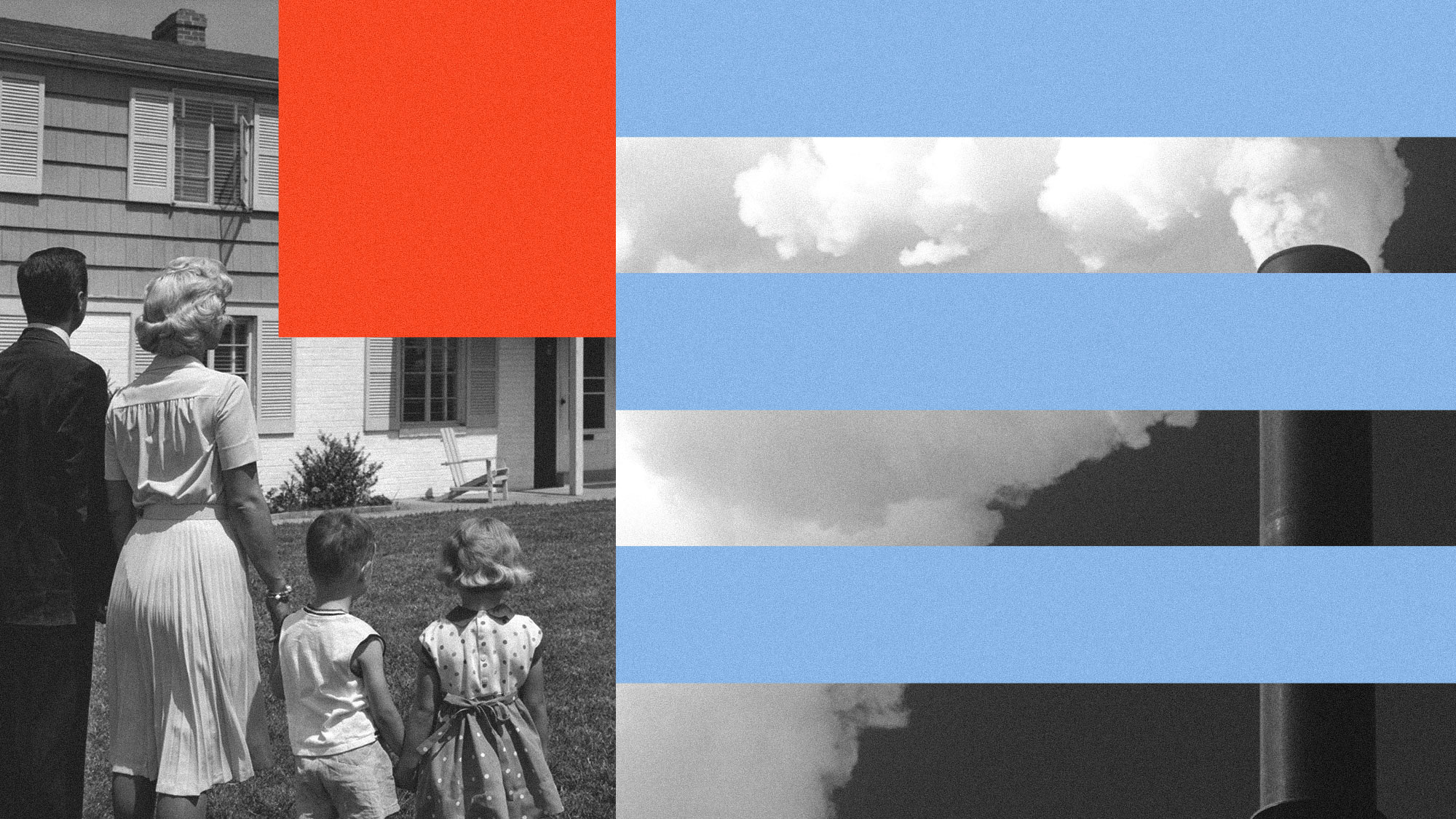
Homeownership has traditionally served as a cornerstone of the American Dream, offering a pathway to build wealth for future generations. However, climate-related disasters are fundamentally challenging this assumption. A major research firm projected last year that climate risks could reduce the value of American homes by nearly $1.5 trillion by 2055, reshaping the financial calculus of property ownership.
Polling conducted by the think tank Data for Progress found that 58 percent of likely U.S. voters believe climate change will hinder their ability to achieve the American Dream over the next two decades, with the concern crossing partisan lines to include 42 percent of Republicans. Citizens express widespread worry that climate change will increase the cost of living, a sentiment anticipated to influence midterm elections.
The relationship between fossil fuels and the American Dream has been deliberately constructed over the past century through industry marketing campaigns. Oil and gas companies have long promoted their products as necessary to American prosperity and comfort, a framing that politicians and executives have employed to resist climate policy measures. The current administration has characterized efforts to reduce emissions and regulate fossil fuels as threats to the American Dream.
Yet climate change itself poses an existential threat to the prosperity that fossil fuel consumption was meant to enable. Scientific evidence indicates that greenhouse gas emissions disrupt livelihoods and cultural traditions while undermining the intergenerational progress that defined the American Dream. The experiences of homeowners in areas struck by recent hurricanes and wildfires illustrate this tension, as individuals who sought climate-resilient locations face unexpected disasters and declining property values.
America faces a critical choice: reimagining the American Dream to move beyond oil-dependent models of prosperity, or allowing climate change to dismantle the concept entirely. The gap between the promised security of homeownership and the volatile reality shaped by climate impacts continues to widen.
Article Attribution | Read More at Article Source
Article summary produced by Claude AI