

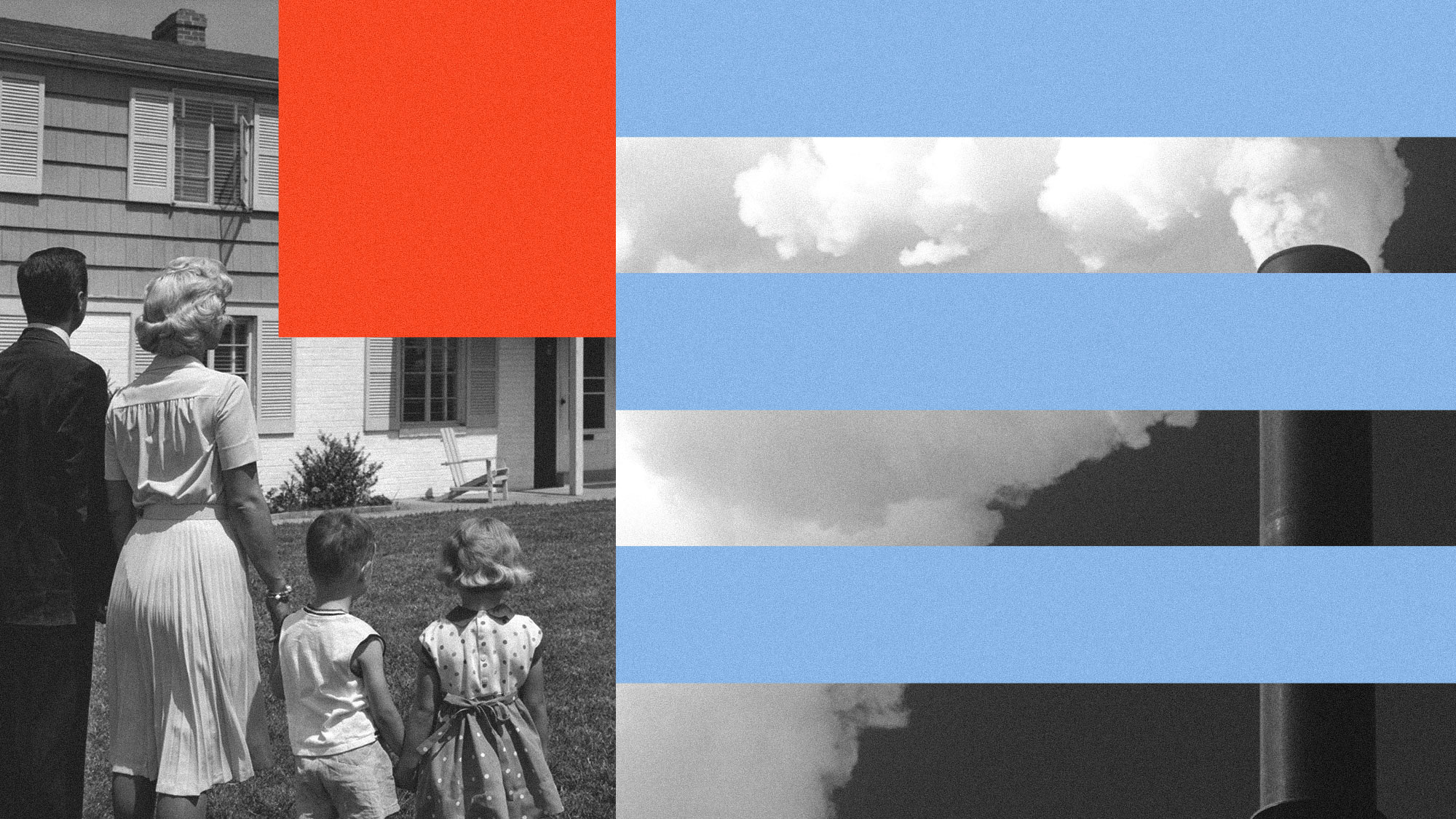
The traditional American Dream of homeownership is facing unprecedented challenges from climate-related disasters and their economic consequences. A young couple’s experience in Asheville, North Carolina, illustrates these risks: they narrowly avoided purchasing a home that later sustained severe flooding during Hurricane Helene, which devastated the region in September 2024. The storm dropped nearly 14 inches of rain over three days, damaged more than 74,000 homes, and resulted in $9.5 billion in uninsured residential property losses. Home values in the affected areas have declined since the disaster.
Research indicates the financial threat extends well beyond individual cases. First Street, an analysis firm, projected that climate risks could reduce the value of American homes by nearly $1.5 trillion by 2055. Rising insurance costs and property damage from fires and floods are making homeownership increasingly precarious as a wealth-building strategy. Public concern about these impacts is substantial: according to polling conducted for Grist by Data for Progress, 58 percent of likely U.S. voters believe climate change will hinder their ability to achieve the American Dream over the next 20 years, including 42 percent of Republicans.
The situation presents a historical irony. For roughly a century, oil and gas companies promoted fossil fuels as essential to the American way of life and prosperity. Political leaders and industry executives have repeatedly used this framing to resist climate action. However, greenhouse gas emissions from fossil fuel combustion have created the very climate instability now undermining homeownership security and intergenerational wealth accumulation. Scientific research warns that climate change threatens quality of life, disrupts livelihoods, and endangers cultural traditions across American communities.
The conflict between the fossil fuel-dependent prosperity narrative and climate reality means Americans face a choice: either reimagine the American Dream to move away from oil-dependent definitions of success, or allow climate impacts to dismantle it entirely. For those like Sierra Isley, who sought refuge in Asheville as a supposed climate haven, the consequences of inaction are becoming tangible.
Article Attribution | Read More at Article Source
Article summary produced by Claude AI