

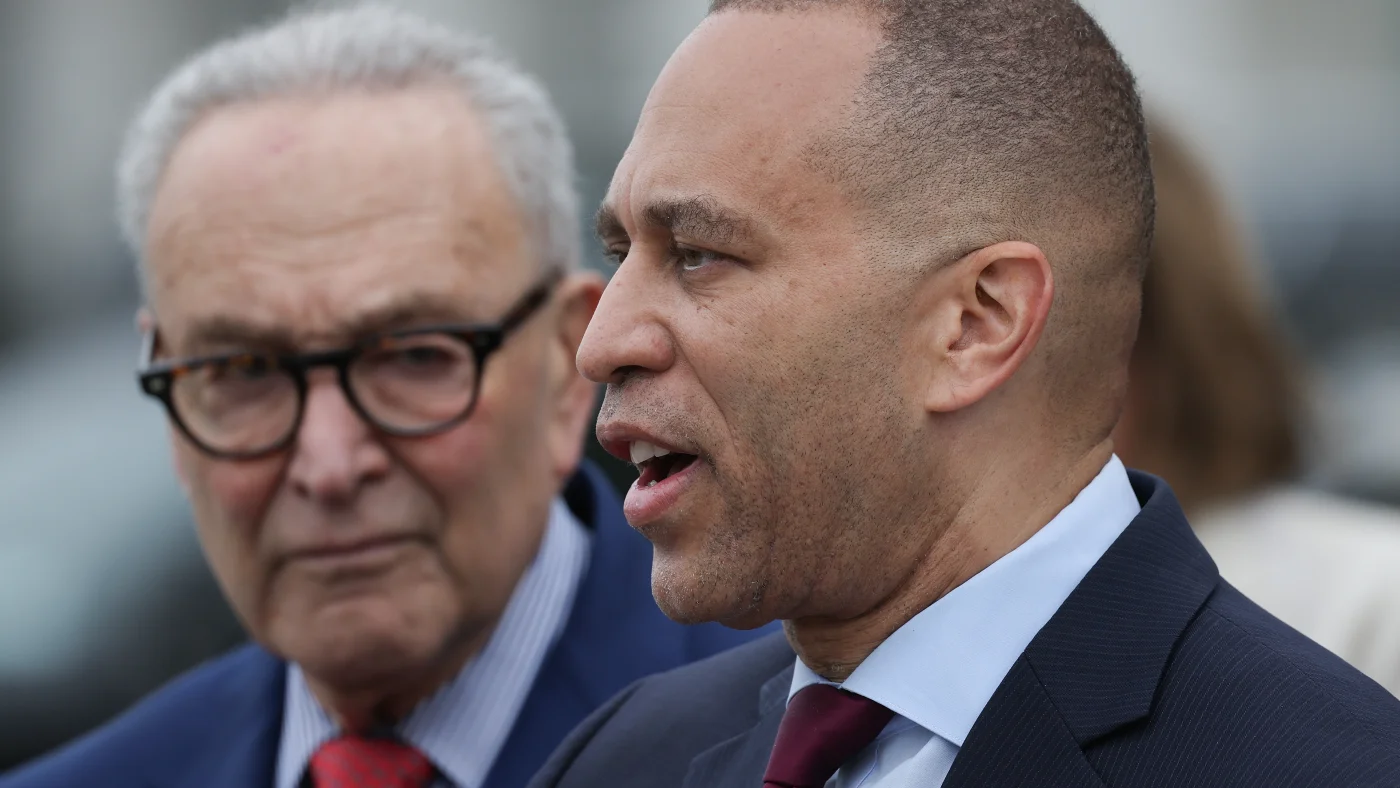
Following midterm victories that returned Democrats to majority control of Congress, party leaders have pledged to deliver swift action on economic issues, particularly affordability. House Democratic Leader Hakeem Jeffries stated the party understands its mandate to achieve “dramatic change,” while Senate Democratic Leader Chuck Schumer indicated that “relief is on the way,” acknowledging some public skepticism about Democratic ability to deliver.
Democrats will face structural constraints in a divided government, particularly the inability to override presidential vetoes and the threat of Senate filibusters on most legislation. Bobby Kogan of the Center for American Progress noted that while these obstacles are substantial, they do not eliminate all legislative options. Matt Bennett of Third Way warned that voters may have focused primarily on the promise of Democratic governance without fully absorbing the limitations of divided government, creating potential for disappointment.
Democrats maintain several tools to advance their agenda. Controlling the House and Senate gives them power over which bills reach the floor for votes, potentially forcing Republicans to take visible positions on popular legislation. Bobby Kogan cited the Epstein files release as an example of this power, where bringing a measure to a vote resulted in near-unanimous passage. The Senate’s budget reconciliation process offers another avenue for bypassing filibuster threats on certain budget-related measures. Senator Elizabeth Warren has called for using reconciliation to address health care and child care priorities.
Party members have signaled plans to pursue bills targeting health care costs, enhanced tax credits, and Medicaid protections. Some Democrats have indicated willingness to challenge presidential vetoes on popular measures as a political strategy. Molly Reynolds of Brookings noted that legislation addressing tariff effects could serve as a mechanism for distinguishing Democratic and presidential positions. President Trump has sent mixed signals about his approach to divided government, indicating both that he would “veto everything” and that he could “make deals” with Democrats.
Observers suggested that Democratic voters expect visible action rather than explanations of legislative constraints. Lindsay Owens of Groundwork Collaborative stated that Democrats must send bills to the president’s desk to demonstrate responsiveness to public concerns about the economy and affordability.
Article Attribution | Read More at Article Source
Article summary produced by Claude AI