

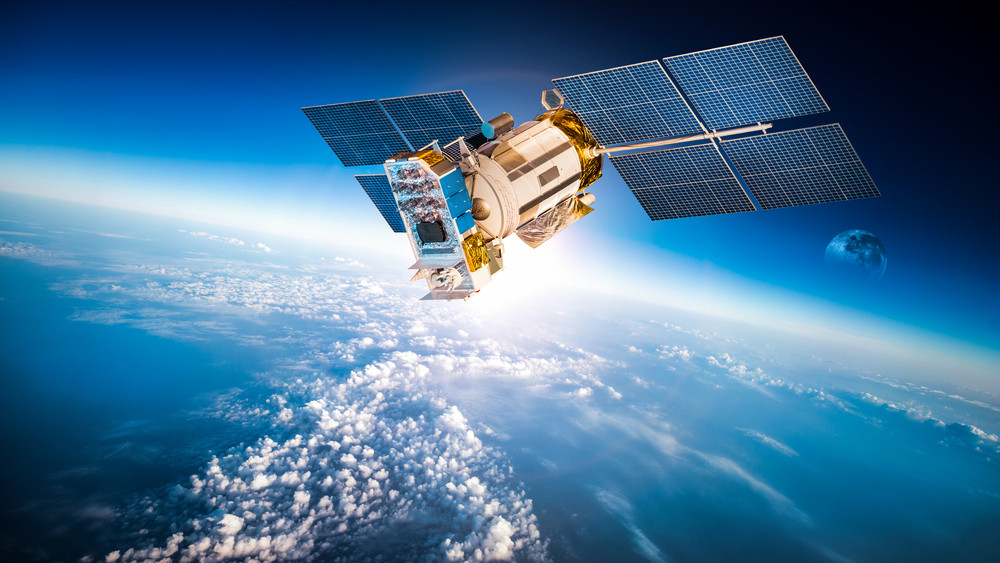
Several nations are actively developing space-based solar power (SBSP) systems designed to collect solar energy in orbit and transmit it to Earth. The technology addresses key limitations of conventional solar power generation on the ground, including nighttime darkness, cloud cover, and atmospheric interference. Approximately 30 percent of incoming solar radiation fails to reach Earth’s surface, whereas solar energy remains consistently available in space.
SBSP systems operate by positioning microwave-transmitting satellites in geostationary orbit approximately 35,000 km above Earth. These satellites beam power to large solar reflectors on the ground, which can span up to 3 kilometers and weigh more than 80,000 metric tonnes. The resulting systems are theorized to generate multiple gigawatts of clean power while avoiding the need to expand terrestrial electrical grids to remote areas. The microwave technology operates at safe, low-intensity levels and is not expected to interfere with wildlife or aircraft.
Major programs underway include China’s ZhuRi initiative, the United Kingdom’s Space Solar program, and Japan’s OHISAMA project. In the U.K., Space Solar has received approximately $1.6 million in government funding and plans demonstration missions, with long-term goals including a structure called Cassiopeia spanning 1.8 kilometers. In the U.S., companies including Star Catcher and SpaceX are pursuing related technologies. SpaceX submitted a Federal Communications Commission application in January to launch approximately 1 million satellites for power generation to support artificial intelligence data centers. Overview Energy announced plans in April to develop an SBSP satellite constellation by 2030 to supply power to Meta’s facilities using laser-based power transmission.
Proponents argue that SBSP development could accelerate clean energy deployment and reduce fossil fuel dependence with minimal environmental impact. Critics contend that the technology remains prohibitively expensive, relies on numerous unproven assumptions, and is too complex to support urgent decarbonization timelines. Despite these debates, commercial deployment of SBSP systems is anticipated to begin between the 2030s and 2050s, with multiple countries investing billions in development efforts.
Article Attribution | Read More at Article Source
Article summary produced by Claude AI