

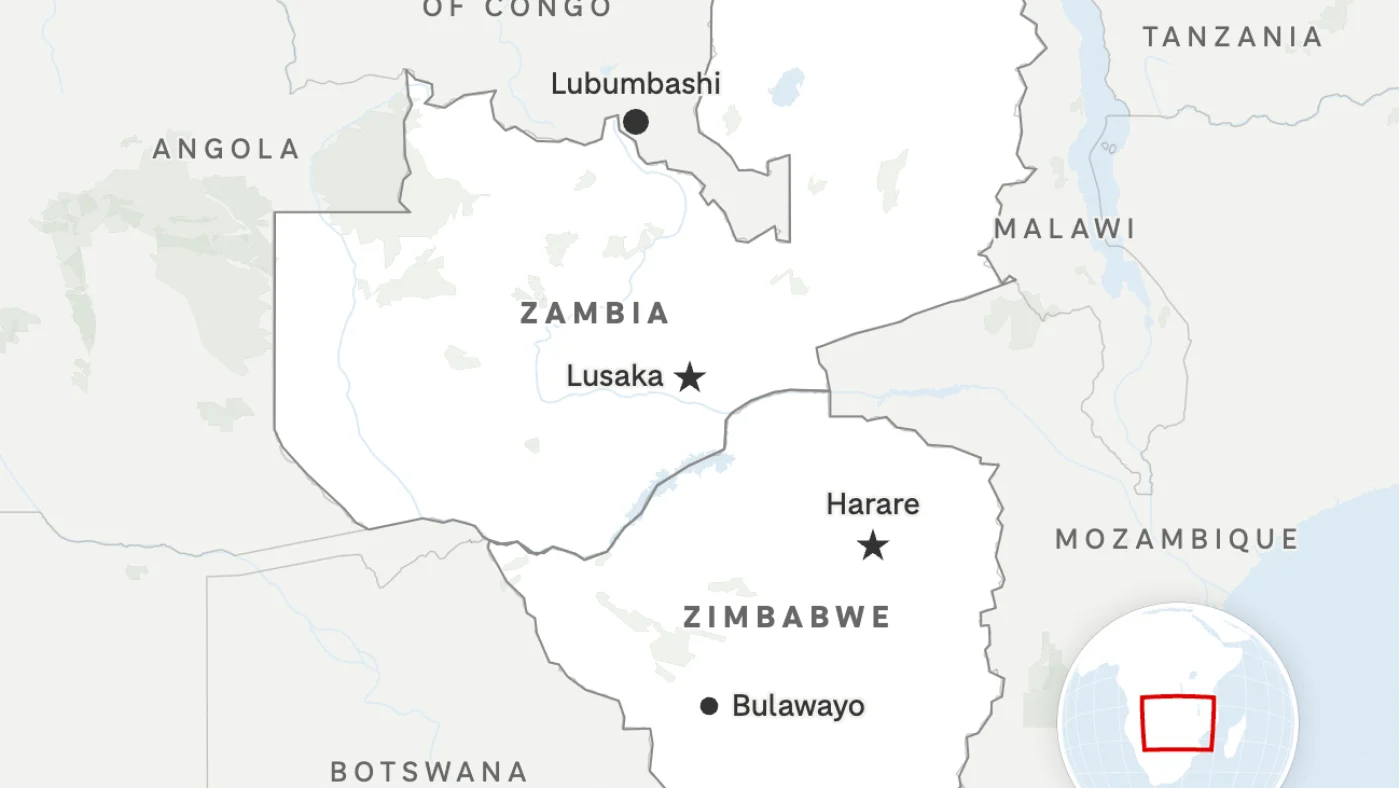
Zambia and Zimbabwe have achieved significant progress in combating HIV/AIDS epidemics over the past two decades, with new infections declining substantially and treatment rates exceeding 95 percent in both nations. This progress has been substantially enabled by billions of dollars in U.S. health assistance. However, shifts in U.S. global health policy are now creating divergent outcomes for the neighboring countries.
In October, Zambia and U.S. officials reached a new aid agreement, though at reduced funding levels compared to previous years. The negotiations were marked by controversy when activists revealed that mineral rights had initially been incorporated into discussions, though this element was ultimately separated from the final health accord. Under the new framework, aid flows primarily through the Zambian government with an emphasis on building domestic health infrastructure rather than supporting parallel systems operated by international and local nongovernmental organizations. Health workers in Zambia have raised concerns about the government’s capacity to effectively manage HIV/AIDS programs, particularly regarding outreach to vulnerable populations and maintaining adequate quality standards and record-keeping across expanded health services.
Zimbabwe faces a starkly different situation. Negotiations between U.S. and Zimbabwean officials over a new aid agreement collapsed earlier in the year, resulting in the complete elimination of U.S. health funding. Zimbabwean officials contended that proposed terms were inequitable, citing requirements to provide pathogen samples and data without guaranteed access to resulting treatments. The country transitioned from receiving over $100 million annually in U.S. health assistance to receiving none. Health workers in Zimbabwe warn that medication shortages will become critical within months and express concern that the loss of rigorous U.S. data collection systems will make it difficult to accurately track and verify the epidemic’s trajectory moving forward.
Article Attribution | Read More at Article Source
Article summary produced by Claude AI