

On August 8, 2023, Maui experienced its deadliest wildfires in over a century, killing at least 102 people, displacing nearly 13,000 residents, and destroying more than 2,200 buildings. Three years after the disaster, only 15 percent of destroyed structures have been rebuilt, leaving many survivors still navigating recovery.
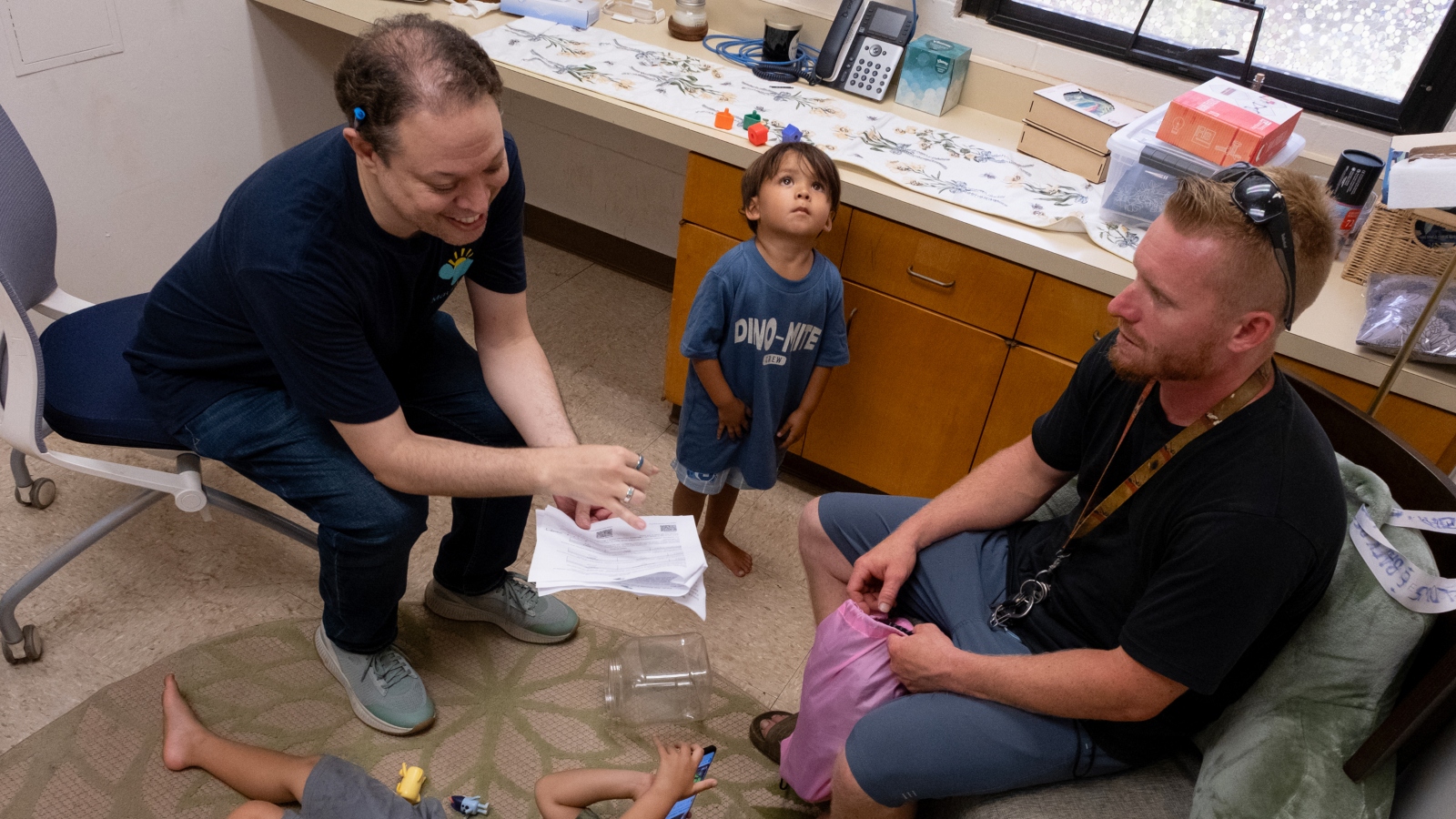
In response to the scale of this need, Ruben Juarez, an economist, and Alika Maunakea, a biomedical scientist, both professors at the University of Hawaiʻi, created the Maui Wildfire Exposure Study (MauiWES). What began as a rapid-response research initiative to track the fires’ health impacts has evolved into a comprehensive intervention combining medical testing with community support services. The study now involves 2,500 participants and has partnered with multiple community organizations to provide participants with free clinical assessments, mental health therapy, food assistance, cash support, and help accessing medical care and insurance.
MauiWES conducts extensive health evaluations including blood tests, lung function assessments, urine and saliva samples to measure environmental exposures and biological stress markers, mental health screenings, and consultations with volunteer physicians. Participants receive $100 compensation for their participation. Some participants credit the program with potentially saving their lives through early detection and comprehensive support.
The study’s integrated approach has garnered national attention from disaster health experts. David Eisenman, a prominent disaster researcher at the University of California, Los Angeles, described the program’s holistic model as “singular” among similar efforts. However, the program faces critical sustainability challenges, with federal grant applications pending without resolution and state funding commitments recently falling through. Despite resource constraints and healthcare provider shortages on the island, researchers remain committed to continuing the study, viewing the ongoing health needs of survivors as too significant to abandon.
Article Attribution | Read More at Article Source
Article summary produced by Claude AI