

Iraq’s oil sector has shown signs of recovery in recent months, with nationwide crude production reaching 4.22 million barrels per day in October and exports averaging between 3.35 and 3.5 million barrels per day. These figures represent a return to levels observed before major regional disruptions, yet industry sources indicate the positive picture obscures significant underlying vulnerabilities.
The Iraqi government has faced severe financial pressure, with budget deficits increasing dramatically and oil revenues declining substantially year-over-year. This fiscal strain has driven production efforts to maximum capacity across multiple fields. However, extended shutdowns of wells following earlier closures have caused measurable production losses at key facilities and potentially permanent infrastructure damage. As production is pushed to compensate for revenue losses, these capacity reductions may become increasingly apparent over time.
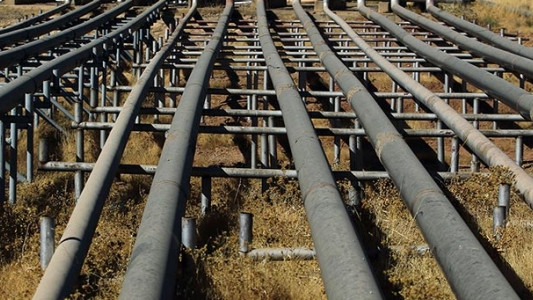
Iraq’s ability to export oil currently depends on multiple makeshift logistics routes rather than the previously efficient systems. The northern pipeline to Turkish port facilities, which typically handled hundreds of thousands of barrels daily, sustained structural damage during a prolonged closure and has since faced repeated attacks limiting its operational capacity. The traditional southern route through the Strait of Hormuz remains subject to ongoing disruption and uncertainty.
To bridge the gap, Iraq has implemented alternative transportation methods. Truck convoys carrying between 200 and 250 barrels cross into Syria toward Mediterranean terminals, while additional volumes travel northward through Turkish territory to reach export ports. The southern maritime route now relies on shuttle-shipping, ship-to-ship transfers, and military-protected vessel convoys to navigate the strategic chokepoint. These workarounds have enabled crude to reach global markets, particularly European destinations, though they require substantially greater operational complexity than previous arrangements.
Article Attribution | Read More at Article Source
Article summary produced by Claude AI