

Finland and the United States are pursuing distinctly different strategies for addressing nuclear waste storage, reflecting broader differences in political consistency and long-term planning. Finland’s Onkalo facility is preparing to become the world’s first permanent deep geological repository for spent nuclear fuel, having recently secured its official operating license from the Finnish government following 22 years of construction. The facility will store radioactive waste in copper canisters buried approximately 400 meters underground within bedrock, surrounded by shock-absorbent clay designed to safely contain the materials for an estimated 100,000 years until natural radioactive decay neutralizes the uranium content.
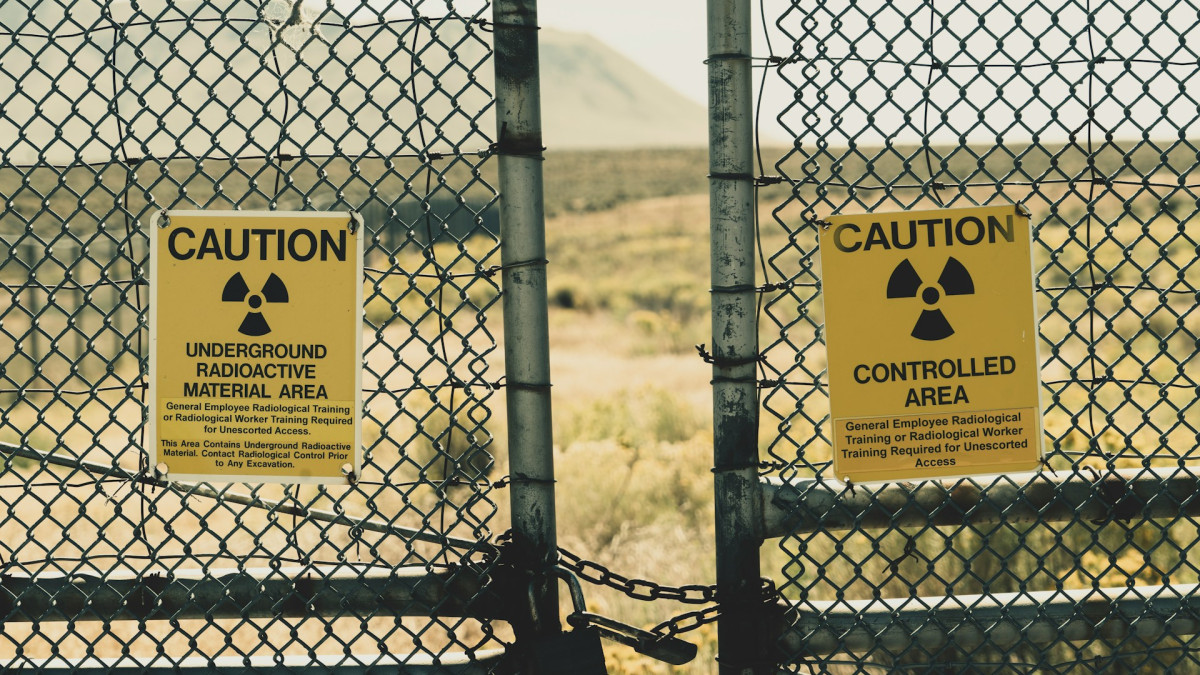
The contrast with the American approach is stark. The United States has accumulated approximately 97,000 metric tons of spent nuclear fuel distributed across nearly 75 sites in more than 30 states, housed in temporary facilities that were never intended for long-term storage. These communities never formally consented to this arrangement. Federal law designates Nevada’s Yucca Mountain as the sole official repository site, but Congress has not provided funding for the project in more than 15 years, leaving the accumulated waste stranded indefinitely.
Experts attribute America’s inability to resolve nuclear waste storage to recurring political transitions that disrupt long-term energy policy commitments. Each change in administration has historically revised or abandoned the energy initiatives of its predecessor, making sustained progress on decade-spanning projects extremely difficult. The Nuclear Waste Fund currently holds over $50 billion designated for waste management, yet accessing these funds requires Congressional approval in an environment characterized by significant partisan divisions. This structural barrier prevents the development and maintenance of the kind of consistent, multi-generational commitment that Finland demonstrated in keeping its nuclear waste program moving forward across multiple government transitions.
Article Attribution | Read More at Article Source
Article summary produced by Claude AI