

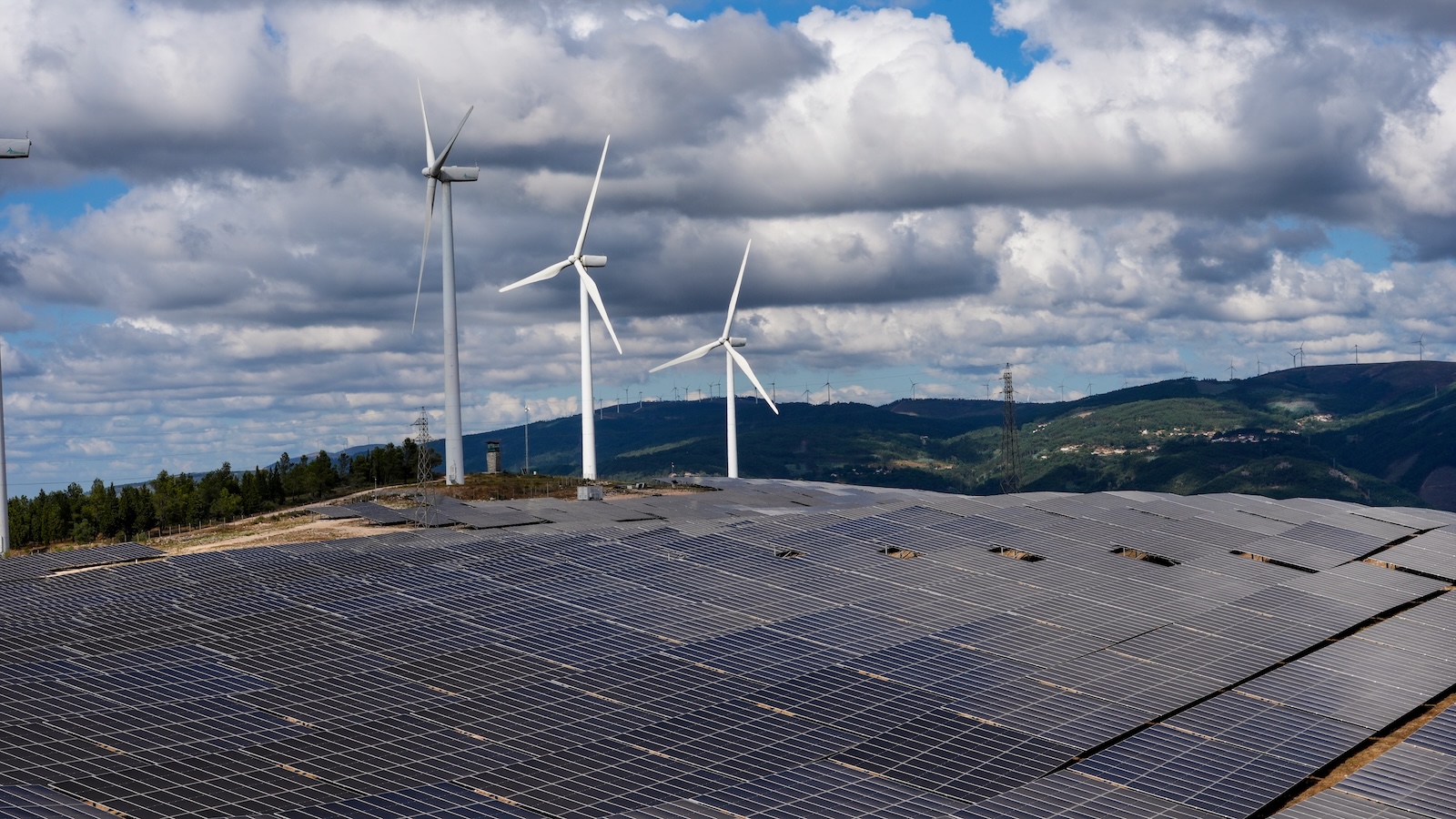
An analysis from energy think tank Ember examines the financial and reliability benefits of diversifying renewable energy systems by integrating both solar and wind power alongside battery storage infrastructure.
According to the report’s findings, solar power alone requires substantial battery capacity to maintain consistent electricity supply. In the United States and Europe, achieving 90 percent uptime using solar power necessitates approximately 20 hours of battery storage. When wind generation is added to this system, the required battery storage drops to 12 hours, reducing infrastructure costs significantly. On a global scale, this diversified approach could lower the median cost of meeting 90 percent electricity demand from $105 per megawatt-hour with solar alone to $86 when wind power is included.
Geographic location plays a critical role in determining optimal renewable energy strategies. Near the equator, where sunlight remains consistent throughout the year, solar installations with battery backup may suffice without requiring substantial wind integration. However, in higher latitudes where winter darkness extends for extended periods, solar capacity diminishes significantly during those months. Without wind power integration, achieving 90 percent uptime in areas above 55 degrees north would cost $280 per megawatt-hour, compared to less than $60 near the equator. Incorporating wind generation reduces costs at all latitudes to below $100 per megawatt-hour.
One additional advantage of combining both resources involves mitigating extended periods of insufficient renewable generation, known as dunkelflaute in German. When both solar and wind resources are simultaneously inadequate, grids face reliability challenges requiring extensive battery reserves. The Ember analysis found that solar drought occurs approximately four times yearly on average globally, while wind droughts occur roughly eight times. By combining both energy sources, periods of simultaneous deficiency in both solar and wind decline to approximately once every four years on average, substantially reducing the need for large-scale battery storage and backup power generation from fossil fuels.
Experts note that this diversification approach mirrors investment portfolio strategy, where spreading resources across multiple options reduces overall risk while maintaining steady long-term performance and enabling competitive clean electricity pricing.
Article Attribution | Read More at Article Source
Article summary produced by Claude AI