

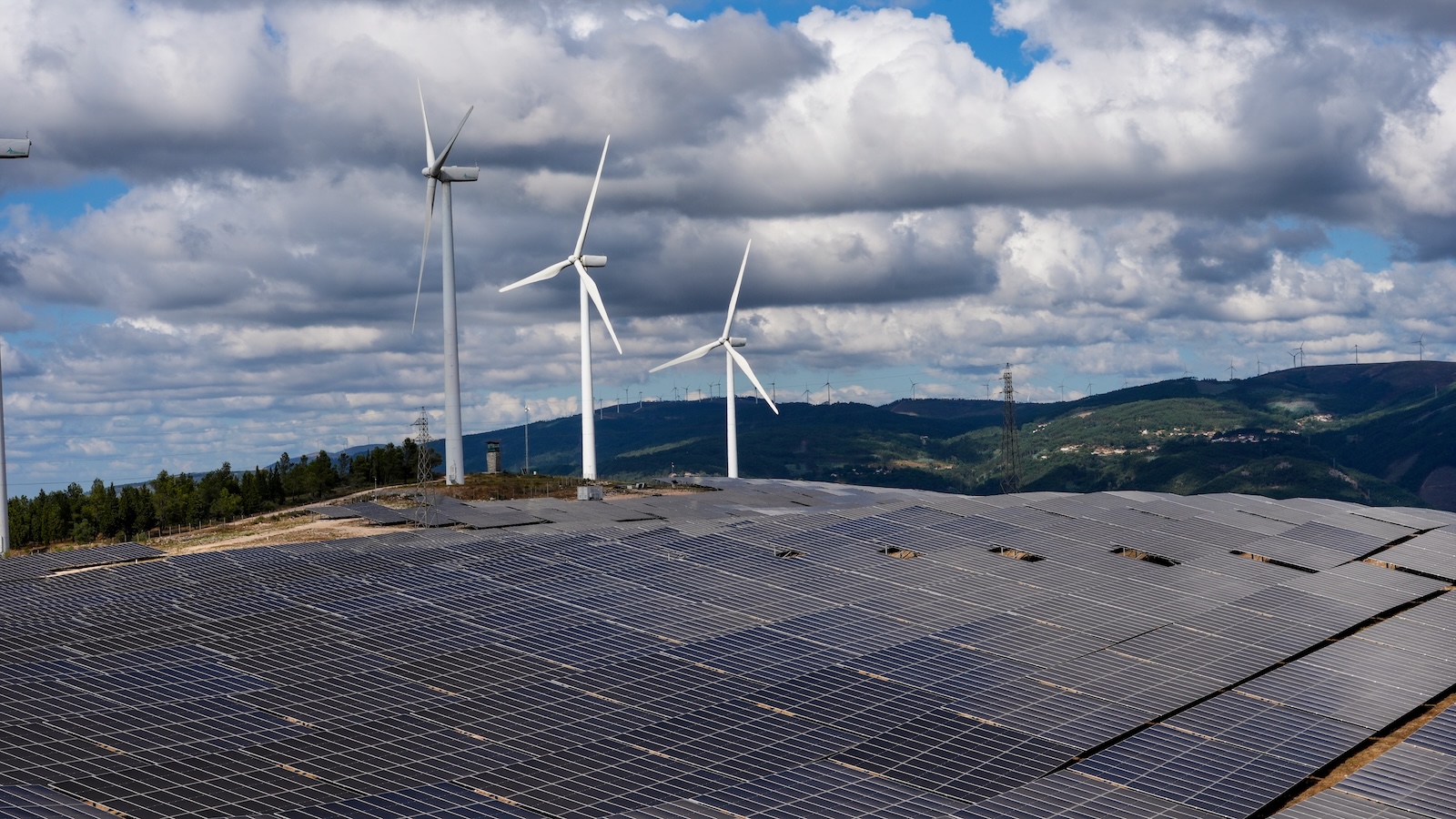
Research from energy think tank Ember indicates that diversifying renewable energy grids with both solar and wind power offers substantial economic and operational advantages over depending on a single renewable source.
According to the analysis, achieving 90 percent grid uptime using only solar power with battery storage requires 20 hours of battery capacity in the United States and Europe. When wind power is integrated into the system, that requirement drops to 12 hours, reducing the need for expensive lithium-ion batteries. The cost savings are significant globally, with the median expense of meeting 90 percent electricity demand projected to decrease from $105 per megawatt-hour with solar alone to $86 when wind is included.
Geographic location plays a critical role in the effectiveness of this strategy. Near the equator, where sunlight remains relatively consistent throughout the year, solar power with batteries may suffice without substantial wind integration. However, in northern and southern latitudes where winter months bring extended periods of darkness and reduced solar generation, the combination becomes essential. The analysis found that without wind power, achieving 90 percent uptime costs less than $60 per megawatt-hour near the equator but rises to $280 in regions above 55 degrees north. Adding wind reduces costs below $100 at all latitudes.
Another significant benefit involves mitigating extended periods when neither adequate sunlight nor wind is available, a phenomenon known as dunkelflaute. The report found that solar drought alone occurs approximately four times yearly on average, while wind drought happens about eight times. By combining both resources, the grid experiences simultaneous energy shortage roughly once every four years on average, substantially reducing the need for backup energy storage or fossil fuel generation.
Researchers emphasize this diversification approach mirrors basic investment principles. Rather than concentrating resources in a single technology that may underperform during certain conditions, spreading across multiple renewable sources creates a more stable and cost-effective energy system capable of delivering reliable clean power at competitive prices without requiring continued fossil fuel infrastructure development.
Article Attribution | Read More at Article Source
Article summary produced by Claude AI