

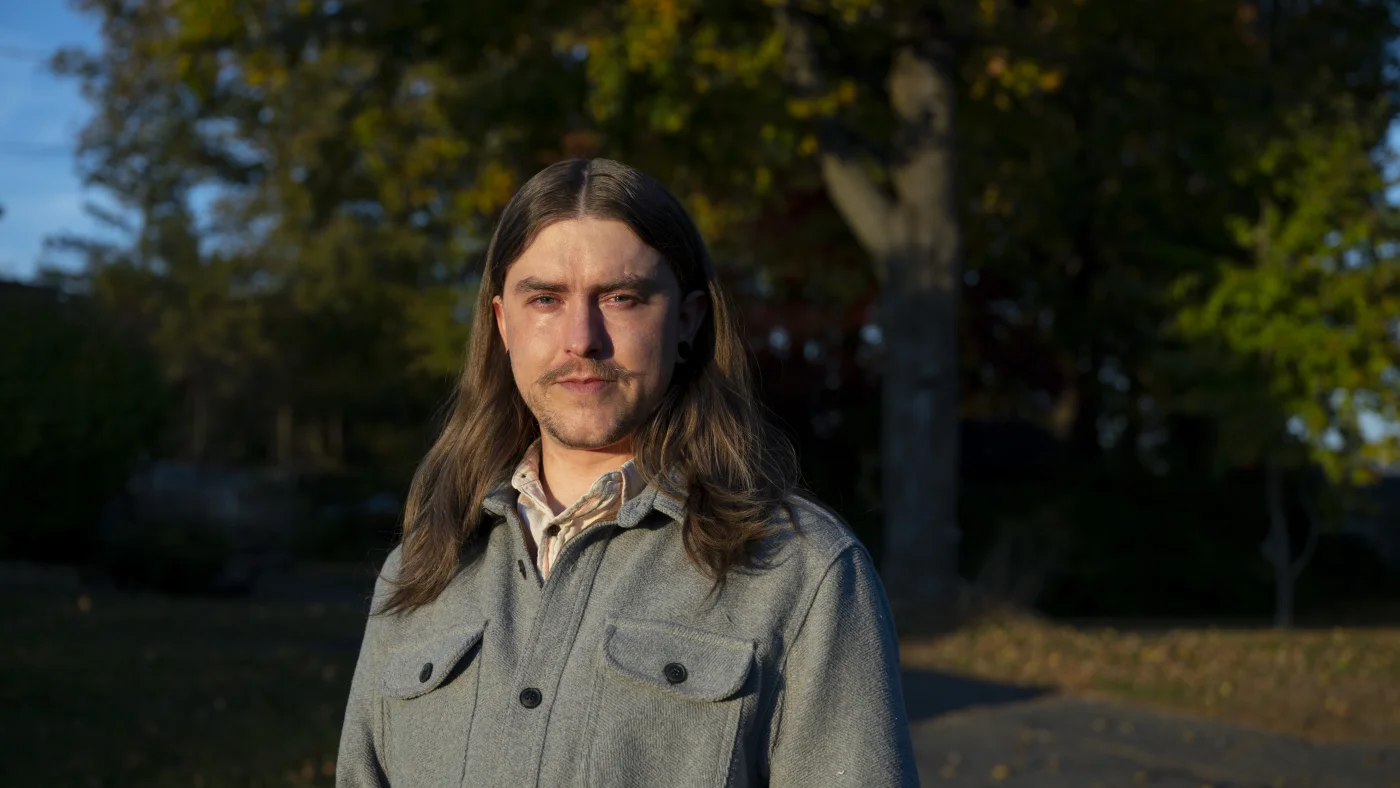
Kendrick Gaussoin attended Brooks Institute, a for-profit college in California, until taking an eight-month leave of absence in December 2015 to work as a photographer. When he attempted to return, he discovered the school had closed in August 2016, leaving him with substantial student loan debt and no degree. Under federal law established over three decades ago, borrowers whose schools close suddenly qualify for a “closed school discharge” that erases their debts, but eligibility typically requires either being enrolled at the time of closure or having left within six months prior.
Gaussoin initially did not qualify because his leave of absence extended beyond the standard look-back window. However, in the final days of the Biden administration in 2025, the Education Department expanded the eligibility criteria for borrowers who had attended several closed institutions, including Brooks. The expansion made any borrower enrolled as of May 6, 2015, eligible for discharge and refund of past payments. A departmental order dated Jan. 6, 2025, justified the change by citing “exceptional circumstances” at these schools.
When Gaussoin applied for his discharge in late August 2026, the Trump administration denied his request, stating he did not meet the traditional pre-Biden eligibility requirements. The Education Department characterized the Biden-era expansion as an “unlawful” policy. This stance contrasts with the first Trump administration, when Education Secretary Betsy DeVos invoked the same authority in 2019 to expand the look-back window for borrowers affected by the Art Institute of Colorado and Illinois Institute of Art closures.
A lawsuit filed this week by Student Defense, a borrower advocacy group, challenges the Trump administration’s refusal to implement the Biden-era changes. Legal experts indicate that the secretary of education possesses authority to expand eligibility windows under exceptional circumstances. Multiple former department officials confirmed that personnel were instructed not to process certain discharges using the expanded criteria without approval from the incoming Trump team. Attorneys argue that if the Trump administration wishes to reverse the policy, it must provide public legal justification, as was done when the Biden administration implemented the expansion.
Between 2010 and 2020, more than 1,100 colleges closed nationwide, leaving approximately 246,000 borrowers potentially eligible for closed school discharges.
Article Attribution | Read More at Article Source
Article summary produced by Claude AI