

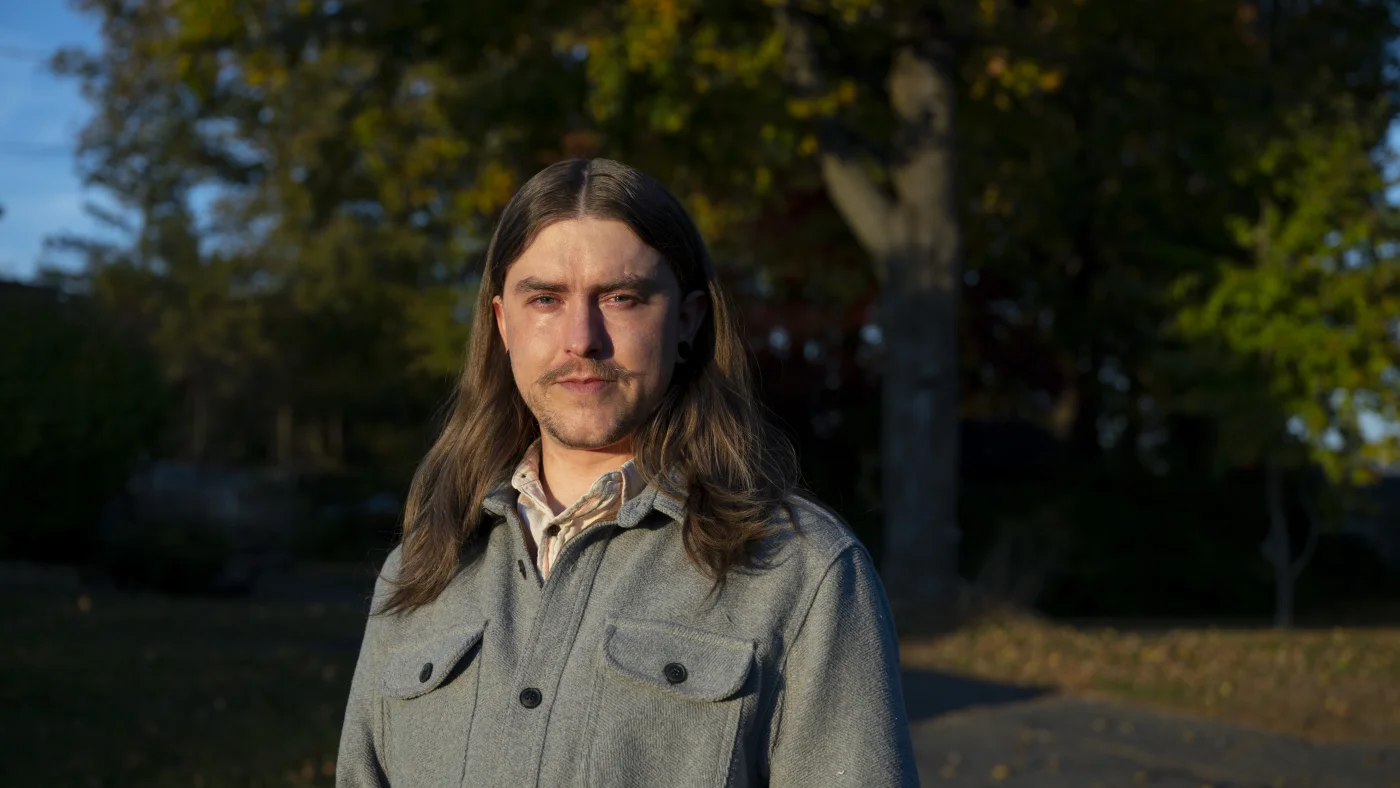
A federal lawsuit filed this week contests the Trump administration’s handling of closed school discharge programs, which are designed to cancel student loan debts when colleges shut down unexpectedly. The case centers on Kendrick Gaussoin, a borrower whose school, Brooks Institute, ceased operations in August 2016, leaving him unable to complete his photography degree.
Gaussouin initially did not qualify for loan forgiveness under standard program rules, which typically require borrowers to have been enrolled at the time of closure or to have left within six months prior. However, in the final days of the Biden administration in January 2025, the Education Department expanded eligibility criteria for borrowers who had attended several closed institutions, including Brooks. Under the new rules, anyone enrolled as of May 6, 2015, would qualify for discharge and refund of past payments. Gaussoin applied for forgiveness in late August after learning of the expanded window but was denied by the Trump administration weeks later.
The lawsuit, filed by Student Defense, a nonprofit advocacy organization, contends that the Trump administration is illegally refusing to implement the expanded eligibility rules. Federal law has required the Education Department to discharge debts for qualified borrowers whose schools close for over three decades. According to government data, more than 1,100 colleges closed between 2010 and 2020, leaving approximately 246,000 borrowers potentially eligible for relief.
The Education Department characterized the Biden-era changes as unlawful in a statement to media outlets. However, legal experts and former department officials say the secretary has clear authority to expand eligibility windows under exceptional circumstances. Notably, the Trump administration exercised this same authority during the first Trump administration in 2019, expanding protections for borrowers affected by Art Institute closures.
Education attorneys argue that if the current administration wishes to reverse the Biden-era changes, it must provide legal justification and follow standard regulatory procedures, rather than simply ignoring the rule modifications. The lawsuit raises questions about whether the administration can unilaterally invalidate policy changes made within the bounds of existing legal authority.
Article Attribution | Read More at Article Source
Article summary produced by Claude AI