

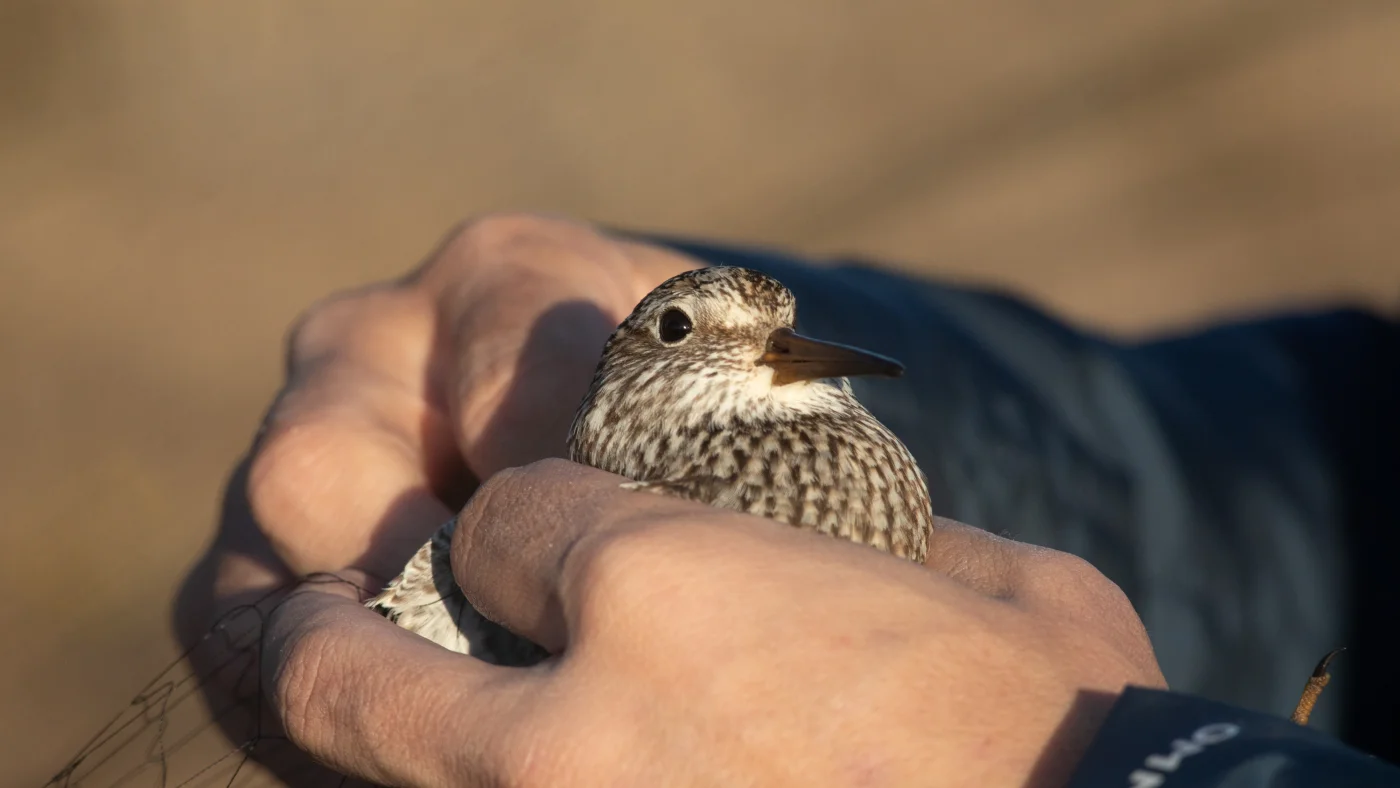
Pectoral sandpipers represent remarkable avian endurance athletes, completing annual migrations exceeding 17,000 miles by continuous flapping between breeding grounds in Alaska and wintering areas in Argentina and other regions. These small birds, weighing approximately three ounces, undergo extraordinary physiological adaptations to accomplish their journeys, including the reduction of non-essential organs and the accumulation of substantial fat reserves before departure.
Research conducted over 24 years by scientists including Rick Lanctot of the U.S. Fish and Wildlife Service has documented concerning population trends among shorebirds that breed in Alaska. Data indicates that of the 41 shorebird species utilizing Alaskan breeding grounds, nearly half are experiencing population declines, with some species having lost more than half their populations over the past three decades.
Climate change poses significant challenges to these long-distance migrants. Earlier spring arrivals in warming climates are creating temporal mismatches between bird arrivals and food availability, while critical habitats such as wetlands and grasslands continue to disappear. These disruptions fundamentally alter the carefully orchestrated timing that shorebirds have evolved to exploit seasonal conditions during their continental journeys.
Advances in tracking technology over the past 15 years have enabled researchers to document migration routes far more complex than previously understood. Lightweight GPS transmitters and leg-mounted tags have revealed that some shorebirds undertake journeys of extreme duration, such as bar-tailed godwits flying over 8,000 miles continuously from Alaska to Australia. Scientists view shorebirds as environmental indicators, noting that their widespread distribution across the planet makes them sensitive barometers of global ecological changes caused by human activity.
Article Attribution | Read More at Article Source
Article summary produced by Claude AI