

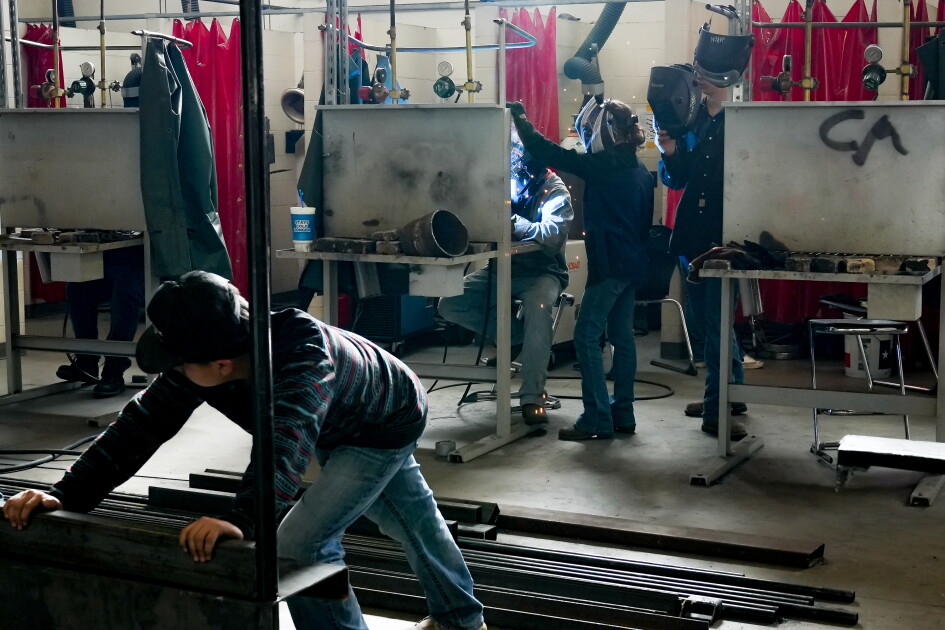
Career and technical education programs have grown significantly in high school offerings, with educators reporting increased student interest in recent years. However, accessibility remains unequal across student populations, particularly for certain demographics.
Participation data indicates that while millions of students from disadvantaged backgrounds and students with disabilities enroll in CTE programs, representation gaps persist. Researchers and educators point to several structural barriers preventing equitable access, including language challenges, insufficient communication with families, complex application processes, transportation constraints, and limited program visibility.
Mark Emerick, an education professor, highlights the particular challenges faced by English learners and their families. These students often lack familiarity with career pathways available in their new country and may struggle to understand economic outcomes of different programs. Without intentional school outreach and materials in their home languages, many English learners may not recognize opportunities available to them or may default to familiar paths rather than exploring their actual interests.
Experts recommend multiple strategies to improve accessibility. Making marketing materials available in multiple languages represents a straightforward but impactful step. Industry partnerships with local businesses play a crucial role, as companies can invest resources such as laboratories and facilities while providing workforce expertise. Educators also emphasize the importance of exposing younger students to CTE pathways early and highlighting success stories from peers with similar backgrounds, as student ambassadors serve as powerful marketing tools for program recruitment.
Additionally, developing strong partnerships with families, schools, colleges, and local industry creates a community-based approach to CTE expansion. This collaborative model helps ensure that diverse students see viable pathways beyond traditional career options and understand how different programs connect to meaningful employment and educational opportunities.
Article Attribution | Read More at Article Source
Article summary produced by Claude AI