

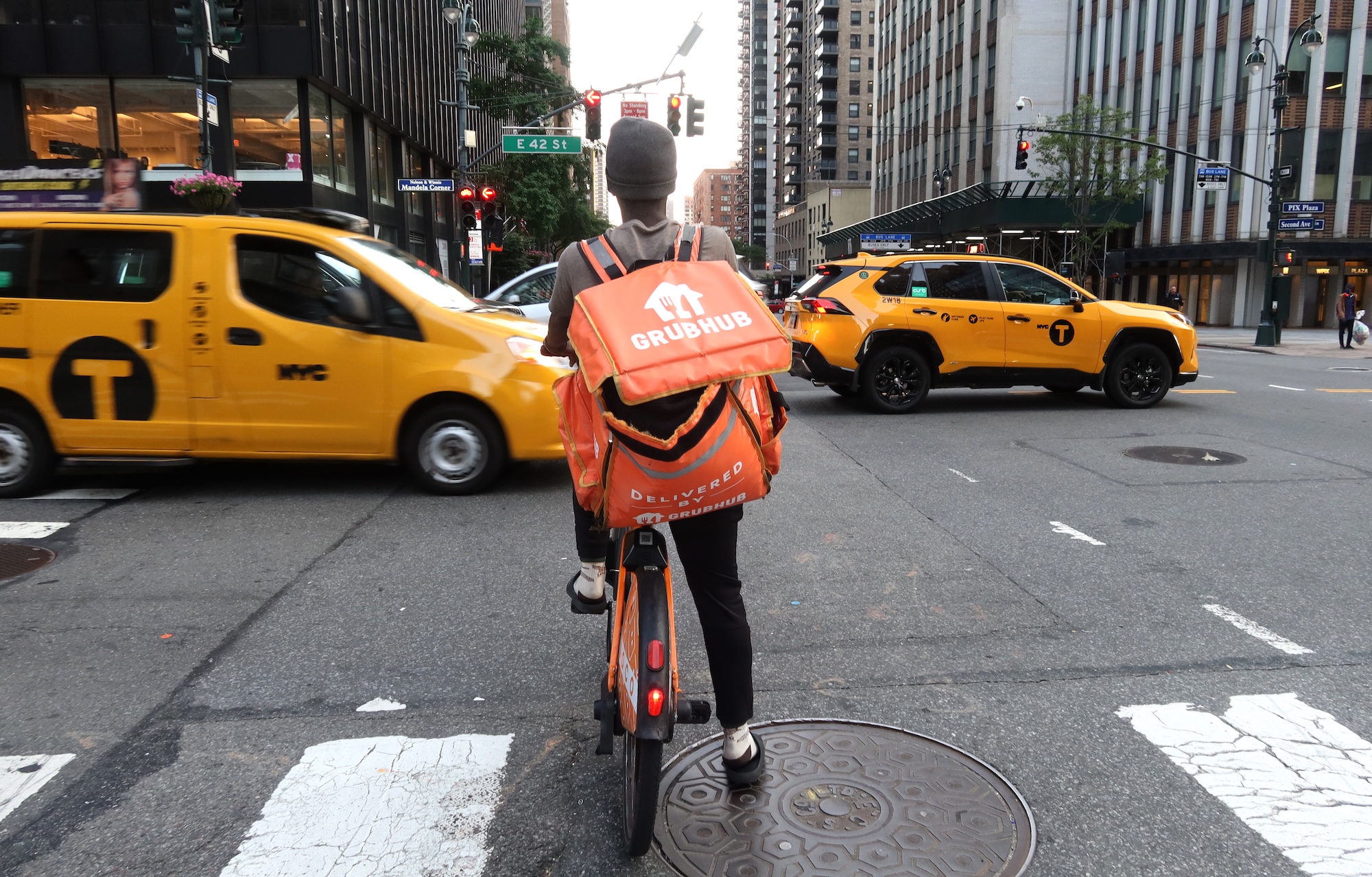
Tens of thousands of delivery workers in New York City, many of whom migrated from Latin America and other regions affected by climate change, are increasingly vulnerable to extreme weather conditions while performing their jobs. During a recent heat emergency coinciding with wildfire smoke from Canada, workers like José Yos, a 40-year-old from Guatemala, continued working despite dangerous conditions because they fear account deactivation and loss of income.
Delivery workers, who primarily use e-bikes and e-scooters to navigate the city, face compounded risks from climate-related hazards including extreme heat, heavy rainfall, and poor air quality. Exposure to such conditions can cause dehydration, heat stroke, and visibility issues that increase accident risks. The delivery platforms do not adjust delivery timeframes or provide additional protections during adverse weather, workers report, forcing them to maintain their work pace or risk lower ratings that could jeopardize their accounts.
While a deactivation protection bill enacted earlier this year requires apps to provide 72 hours’ notice before removing workers and to investigate deactivations, many workers remain concerned about account suspension risks. According to advocacy groups, workers continue visiting offices daily seeking help with account reinstatement issues. The workforce comprises primarily immigrants, many from regions experiencing severe climate impacts including droughts and flooding, factors that contributed to their migration to the city.
Labor advocates argue that delivery workers serve as essential responders during emergencies, delivering critical supplies including water, medication, and groceries when extreme weather threatens public safety. Union representatives and worker justice organizations are pushing city officials to recognize both the essential nature of delivery work and workers’ firsthand expertise regarding how climate hazards interact with urban infrastructure. Currently classified as self-employed freelancers, delivery workers lack comprehensive health and safety protections comparable to traditional employment arrangements.
Article Attribution | Read More at Article Source
Article summary produced by Claude AI