

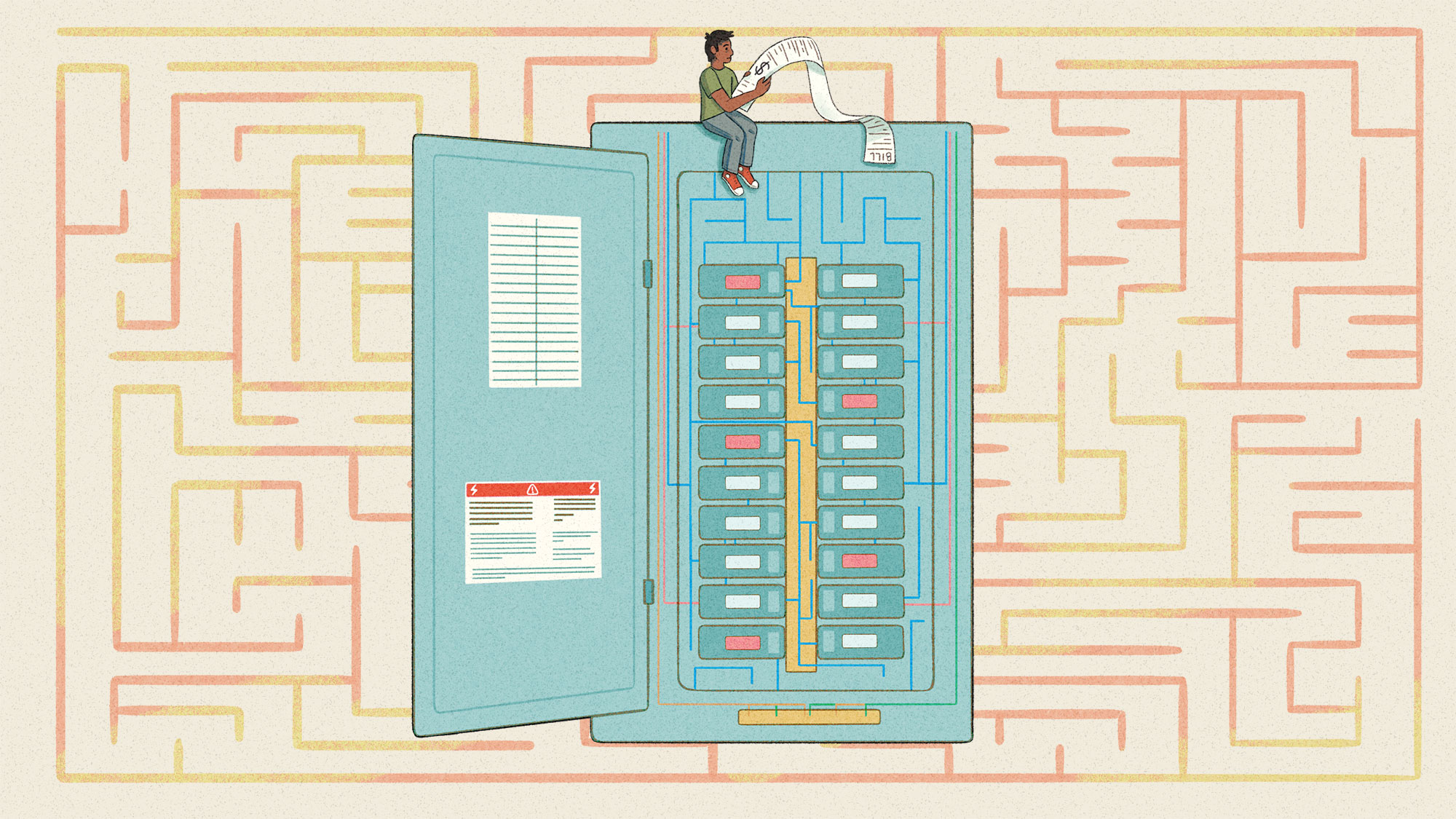
Residential electrification efforts aimed at reducing carbon emissions increasingly encounter a significant barrier: insufficient electrical capacity. Most homes built in recent decades are equipped with 200-amp electrical panels, while roughly a third of U.S. residences have 100 amps or less, according to Lawrence Berkeley National Laboratory research. This limitation becomes problematic when homeowners attempt to install multiple high-demand appliances such as heat pumps, induction stoves, and EV chargers simultaneously.
When homeowners encounter capacity limitations, electricians typically recommend service upgrades to handle increased electrical loads. These upgrades can cost anywhere from several thousand dollars to $20,000 or more, particularly in rural areas or locations with underground power lines requiring trenching and transformer modifications. The exact number of homeowners affected remains unclear due to limited data on service upgrade frequency and recommendations that may go unfulfilled due to cost constraints.
Several workarounds exist to address capacity challenges without full service upgrades. Smart electrical panels that dynamically manage circuit demand represent one solution, though conversion costs can exceed $4,000. Load-sharing switches offer a more affordable alternative at approximately $800 per unit, allowing two high-demand appliances to share a circuit with only one operating simultaneously. These devices prevent combined loads from triggering service upgrade requirements.
A potentially valuable approach involves consulting utility providers about alternative calculation methods for determining actual electrical demand. Some utilities reference Section 220.87 of the National Electrical Code, which bases load calculations on historical utility data rather than theoretical usage ratings. This method can produce significantly different results than standard calculations, potentially eliminating the need for expensive upgrades. Approximately 73 percent of residences nationwide have smart meters capable of providing the historical data required for this analysis.
Article Attribution | Read More at Article Source
Article summary produced by Claude AI