

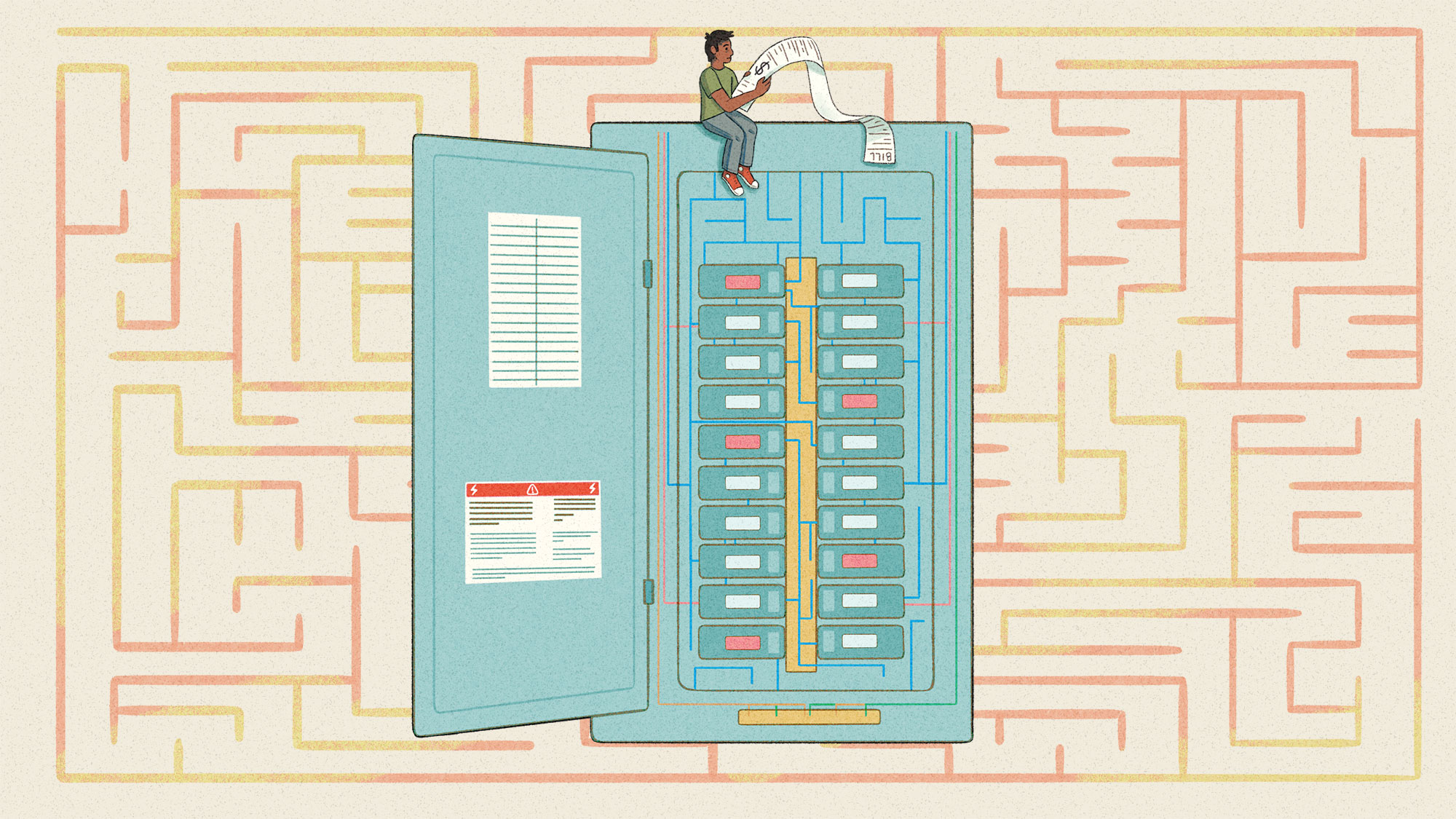
As homes transition from fossil fuels to electric heating, cooling, and vehicle charging, many owners encounter a significant barrier: insufficient electrical capacity. A home’s connection to the electrical grid is limited by amperage, with 200 amps being standard for newer homes. However, roughly one-third of U.S. residences have panel capacity of 100 amps or less, with the proportion rising to nearly half in the Northeast. Research from Lawrence Berkeley National Laboratory indicates thousands, if not millions, of homeowners may need electrical service upgrades as they electrify.
Upgrading electrical service presents a substantial financial obstacle. Costs can begin at several thousand dollars and escalate rapidly, particularly in rural areas or regions with underground power lines. Estimates commonly reach $10,000 to $20,000 or higher. The exact prevalence of recommended upgrades that go undone due to expense remains unclear, though limited data exists on annual service upgrade frequency.
Several technological solutions now exist to manage electrical demand without full service upgrades. Smart panels monitor individual circuit usage and automatically disable lower-priority breakers when demand approaches capacity, though conversion costs approximately $4,000 in materials alone. Load-sharing switches, or smart splitters, allow two high-demand appliances to share one circuit, with only one operating simultaneously. These devices typically cost around $800 each, though multiple units may be necessary.
A critical overlooked solution involves utility code alternatives. Section 220.87 of the electrical code uses a year of actual utility data from smart meters to calculate genuine peak demand, rather than theoretical usage calculations. This alternative method frequently produces substantially lower demand projections than standard calculation methods. Homeowners are advised to consult with their utility providers about these lesser-known code provisions before committing to expensive service upgrades, particularly if their homes have smart meters that enable detailed consumption analysis.
Article Attribution | Read More at Article Source
Article summary produced by Claude AI