

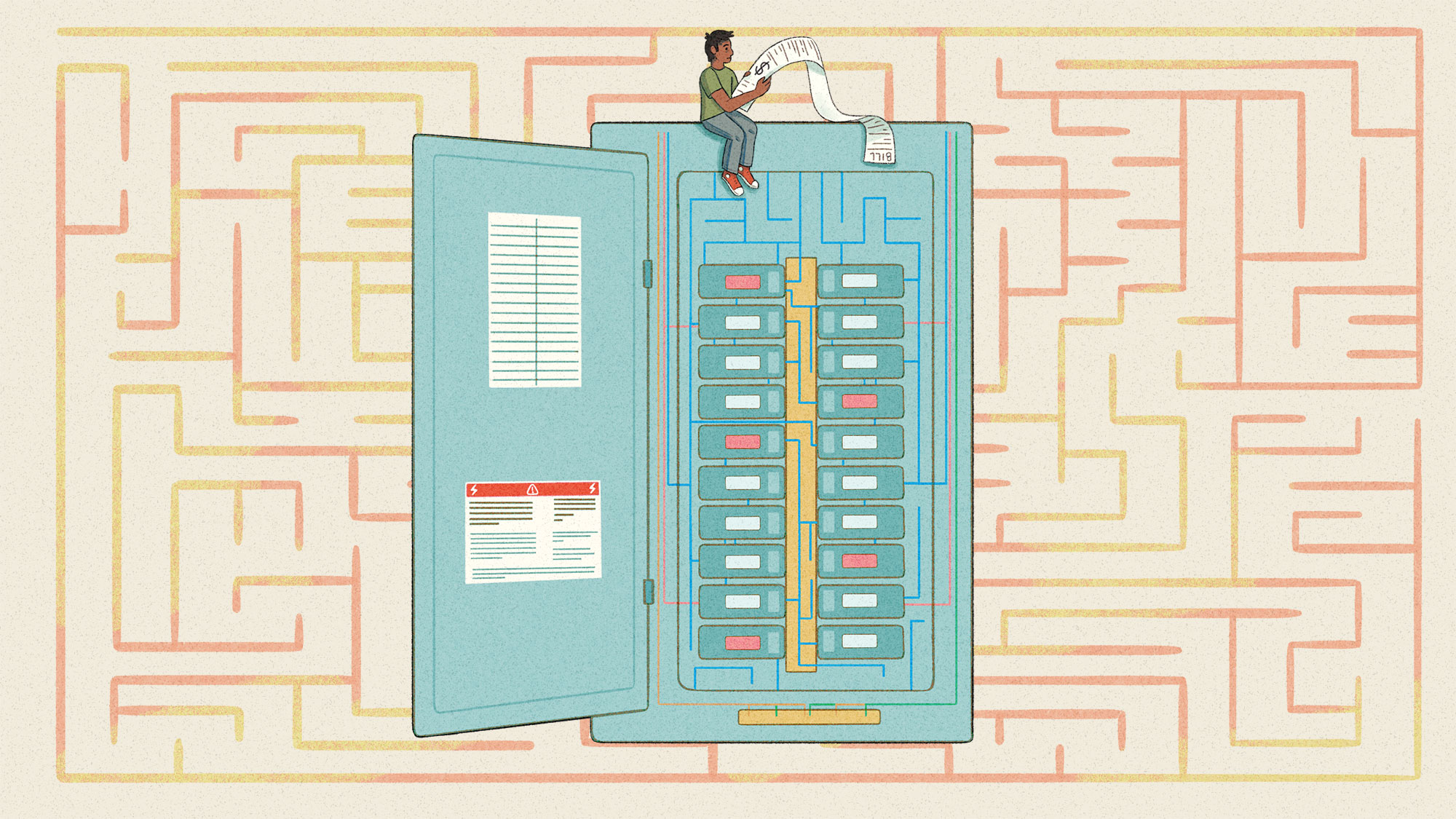
Many American households face significant expenses when attempting to electrify their homes by installing heat pumps, EV chargers, and induction appliances. The challenge stems from electrical panel capacity limitations, as homes typically have service ratings of 100 to 200 amps, which may be insufficient to handle the combined power demands of new electric appliances simultaneously.
Research from Lawrence Berkeley National Laboratory indicates that approximately one-third of U.S. homes have panel capacity of 100 amps or less, with higher percentages in the Northeast reaching nearly 50 percent. When existing panels lack available breaker slots, adding a subpanel can resolve the issue relatively inexpensively. However, upgrading electrical service to handle increased power demands can cost between $10,000 and $20,000 or more, particularly in rural areas or locations with underground power lines.
Several technology-based solutions exist to address these constraints. Smart panels that monitor individual circuit usage can automatically shut off lower-priority circuits to prevent exceeding capacity limits, though conversion costs typically start around $4,000 in materials. Load-sharing switches, or smart splitters, offer a more affordable alternative at roughly $800 per unit, allowing two high-demand appliances to share a circuit by ensuring only one operates simultaneously.
A potentially overlooked solution involves consulting utility providers about alternative code-based calculation methods for determining actual power demand. Section 220.87 of the electrical code uses a year of utility consumption data from smart meters to calculate realistic peak usage rather than theoretical maximum loads. This approach can yield significantly different results than standard calculation methods based on rated appliance capacities, potentially eliminating the need for expensive service upgrades entirely.
Article Attribution | Read More at Article Source
Article summary produced by Claude AI