

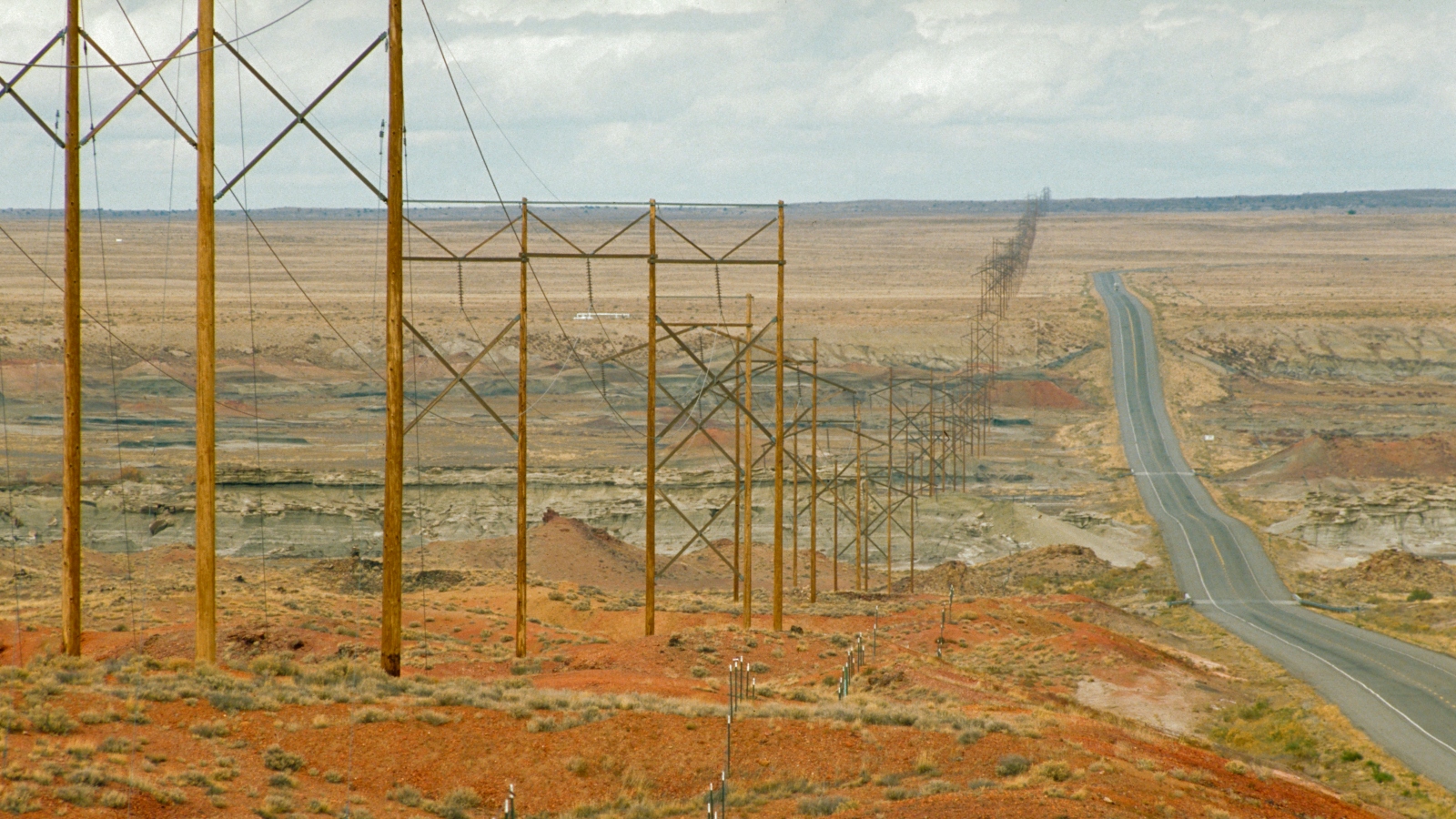
Congress is moving toward passage of a bipartisan permitting reform bill designed to streamline the development of power plants and electric transmission lines across the United States. The legislation, negotiated by senators from both parties including Democrat Sheldon Whitehouse and Republican Mike Lee, has garnered support from clean energy advocates and business groups. Proponents argue the measure would expedite solar and wind projects, expand renewable power transmission infrastructure, and reduce regulatory delays for natural gas pipelines.
The bill has created divisions within the environmental movement, with clean energy advocates supporting it while conservation and environmental justice organizations have raised concerns. The most significant opposition, however, has come from tribal nations and Indigenous organizations. The legislation would modify the 1966 National Historic Preservation Act, a key tool tribes use to protect sacred sites and culturally significant territories from development. Tribal leaders argue that weakening this law undermines Indigenous sovereignty and threatens their ability to protect traditional homelands that extend beyond reservation boundaries.
The historic preservation requirement currently mandates federal consideration of construction impacts on sites more than 50 years old with historical or cultural significance. For large-scale projects like transmission lines, review areas can span hundreds of miles. Tribes have successfully used this law to block or modify projects deemed harmful to sacred territories, including a 2010 case in which the Quechan Tribe challenged a proposed solar farm in California.
Proponents of permitting reform argue the historic preservation process has expanded beyond its original intent, creating excessive burdens on energy infrastructure development. They point to examples like the SunZia transmission project, which required two decades to complete and underwent historic review covering an area twice the size of Delaware. The bill cleared a Senate procedural vote last week, though passage in both chambers remains uncertain. Some Democrats, including Nevada Senator Catherine Cortez Masto and House Democratic leader Hakeem Jeffries, have expressed concerns about insufficient tribal protections or declined to support final passage.
Article Attribution | Read More at Article Source
Article summary produced by Claude AI