

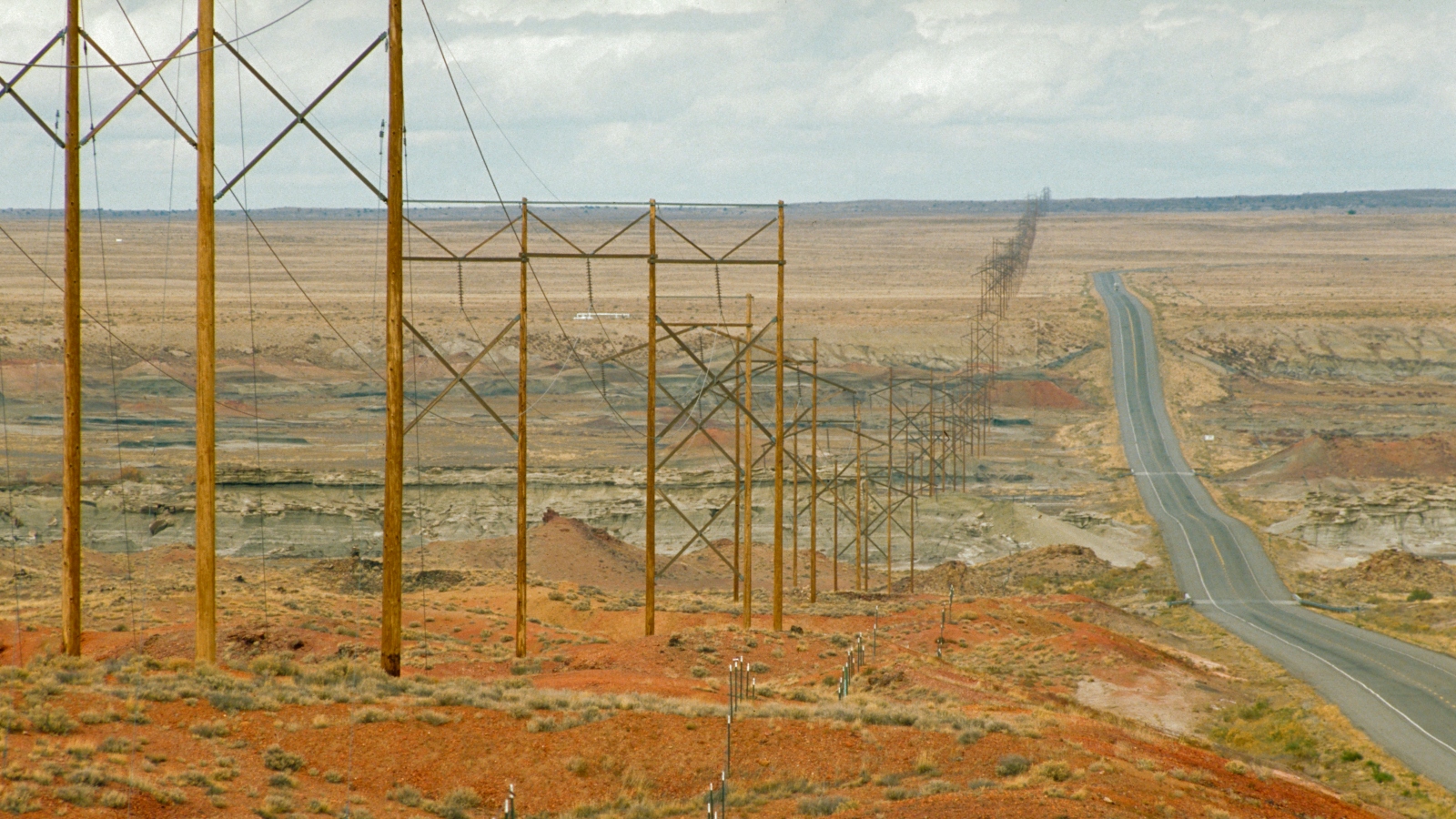
Congress is advancing a bipartisan permitting reform bill that would streamline the approval process for power plants and electric transmission lines across the United States. The legislation emerged from negotiations between Democrats and Republicans and has garnered support from clean energy advocates who view it as beneficial for expanding renewable power transmission infrastructure. Conservative and business groups also back the measure, citing reduced regulatory delays for natural gas and other energy projects.
The bill has created significant divisions within environmental advocacy communities, particularly between organizations prioritizing decarbonization and those focused on species protection and environmental justice. Tribal nations have emerged as prominent opponents, arguing that the bill would undermine the 1966 National Historic Preservation Act, a key tool they use to protect culturally and religiously significant sites from development. Indigenous leaders contend that the measure harms tribal sovereignty and their ability to safeguard sacred territories outside reservation boundaries.
The historic preservation law requires federal review of how construction projects might affect sites with historical, cultural, or religious significance. For large transmission infrastructure projects that can extend hundreds of miles, review areas may encompass tens of thousands of square miles. Tribal nations have successfully invoked this law to halt or modify projects affecting their traditional lands, most notably a major solar development in California that the Quechan Tribe of the Fort Yuma Indian Reservation challenged in court.
Proponents of permitting reform assert that historic preservation reviews have become overly burdensome and extend far beyond the original legislative intent. They point to examples like the SunZia transmission line, which took two decades to complete despite being a renewable energy project. The bill cleared a procedural Senate vote last week, though its ultimate passage remains uncertain. Several Democratic lawmakers, including a potential House Speaker and a Nevada senator, have expressed reservations or pledged opposition, citing tribal concerns.
Article Attribution | Read More at Article Source
Article summary produced by Claude AI