

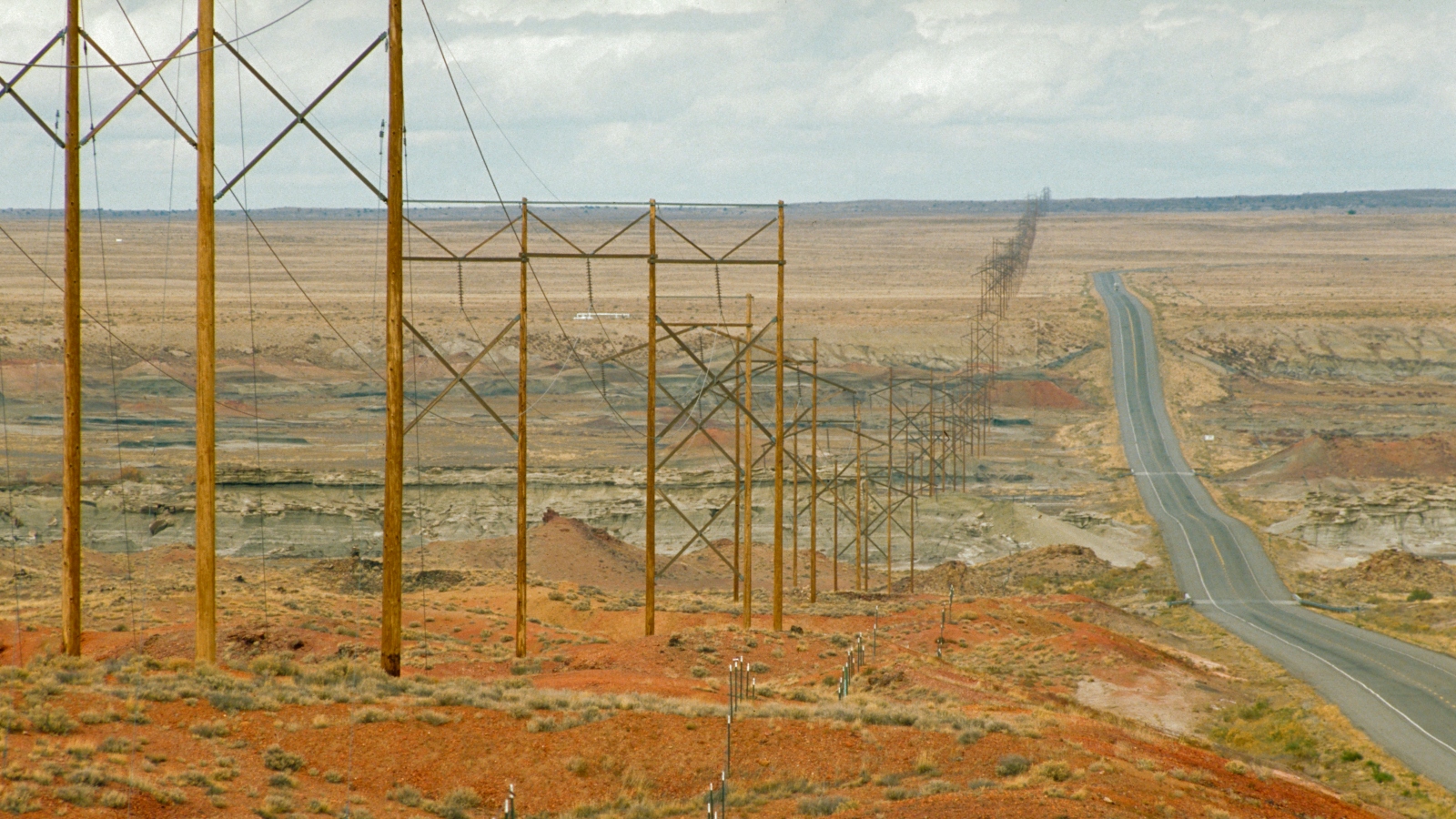
Congress is moving toward passage of a bipartisan energy permitting reform bill designed to accelerate the development of power plants and transmission infrastructure across the United States. The legislation, negotiated by senators from both parties including Democrat Sheldon Whitehouse and Republican Mike Lee, has garnered support from clean energy advocates and business groups who argue it would reduce regulatory delays and facilitate the expansion of renewable energy transmission networks.
However, tribal nations have emerged as the primary opposition force to the measure. The bill would modify provisions of the National Historic Preservation Act, a 1966 law that requires federal agencies to assess how construction projects might affect historic and cultural properties. Tribal governments have historically relied on this law to protect sacred sites and religious territories located outside their reservation boundaries from development projects. Representatives of numerous Indigenous nations contend the bill would undermine tribal sovereignty and expedite infrastructure projects affecting lands they consider part of their spiritual and traditional territories.
The historic preservation review process has become increasingly comprehensive in practice, with review areas potentially extending hundreds of miles for major transmission lines and encompassing entire landscapes. Supporters of permitting reform argue the law has evolved beyond its original intent as a procedural safeguard and now functions as a substantial obstacle to infrastructure development. They point to examples such as the SunZia transmission line, which required two decades to complete despite significant investment.
The bill has created divisions within the environmental movement, separating groups focused on climate decarbonization from those prioritizing species protection and environmental justice. While the measure cleared a procedural vote in the Senate, its ultimate passage remains uncertain. Some Democratic lawmakers, including House Democratic leadership and Senator Catherine Cortez Masto, have expressed reservations about the bill’s impact on tribal interests, though the bill’s negotiators maintain they possess sufficient votes for passage in both chambers.
Tribal advocates emphasize that many energy projects affecting their nations were already expedited before this legislation, and the bill would create an even faster approval process that could bypass meaningful consultation with Indigenous communities regarding projects on traditional homelands.
Article Attribution | Read More at Article Source
Article summary produced by Claude AI