

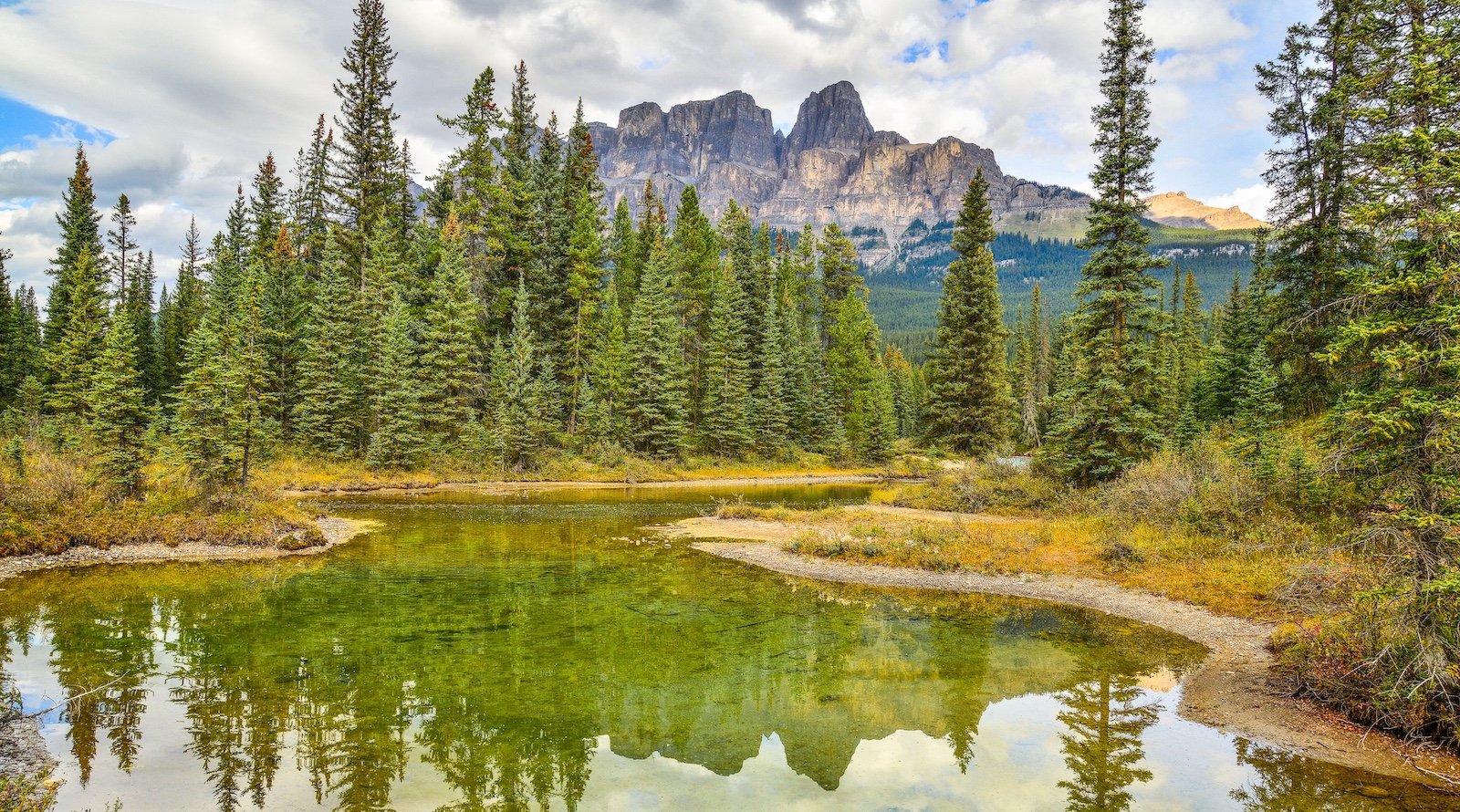
The administration announced a proposed Bureau of Land Management rulemaking that would substantially reduce public participation in land use planning across approximately 245 million acres of western public lands. The rule would curtail environmental review processes and weaken protections for Areas of Critical Environmental Concern, which serve as the agency’s primary conservation designations. According to the proposal, these changes would streamline procedures for authorizing land sales, transfers, and industrial uses including oil and gas drilling, mining, and data center development.
The rulemaking initiates a 60-day public comment period, with submissions due January 9th. Public lands managed by the Bureau of Land Management contain wildlife migration routes, critical habitat areas, cultural sites, watersheds, and recreational access points. Conservation organizations contend the rule would remove safeguards protecting these sensitive areas from significant degradation.
The proposal represents one element of a broader regulatory agenda that has included rescission of the Public Lands Rule and stated intentions to modify the Roadless Rule and Wilderness policies. Officials and advocacy groups assert the administration is prioritizing industrial development and resource extraction while reducing environmental scrutiny and public input mechanisms that have guided land management decisions for decades.
Conservation groups, local officials, and tribal representatives have opposed the rulemaking, arguing it conflicts with demonstrated public support for land protection and transparent management processes. Supporters of current protections maintain that robust environmental review and public engagement are essential for addressing climate change, drought, and habitat fragmentation while sustaining rural economies dependent on outdoor recreation and other non-extractive uses of public lands.
Article Attribution | Read More at Article Source
Article summary produced by Claude AI