

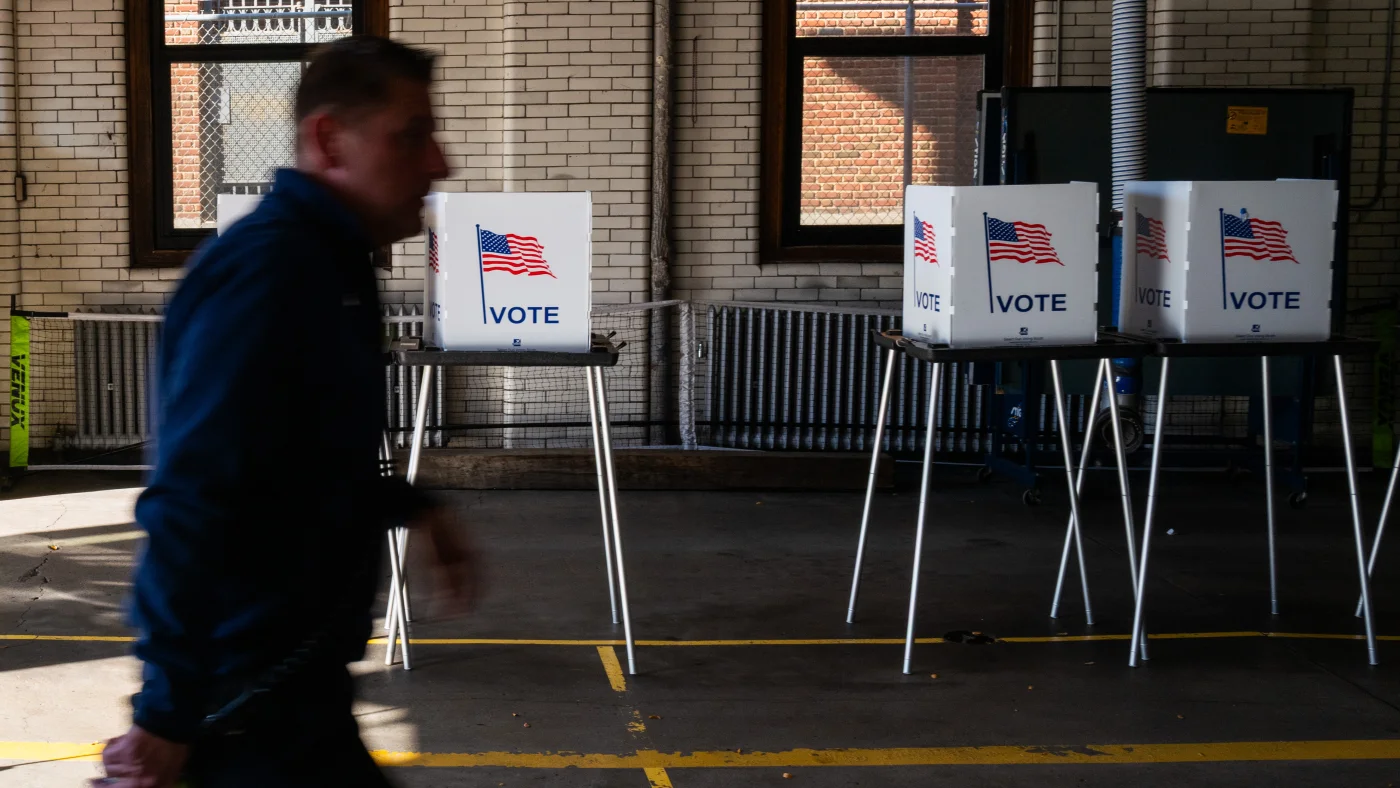
New polling data released this week reveals a significant partisan divide in Americans’ confidence in the electoral process following recent midterm voting. According to research from the University of California San Diego, just 52% of Republican voters said they trusted votes were counted accurately in the midterms, with fewer than half viewing the elections as free and fair. This contrasts sharply with post-2024 election sentiment, when more than 80% of Republicans expressed confidence in vote-counting procedures.
Among the broader American population, 66% reported believing the midterms were conducted fairly, marking an improvement from pre-election expectations when less than half anticipated free and fair contests. However, this overall confidence was substantially driven by Democrats and independents, many of whom had harbored concerns about potential federal interference at polling locations that ultimately did not materialize. Election researchers characterize the aggregate statistics as potentially misleading about underlying public sentiment, noting that the apparent national consensus obscures deep partisan divisions.
Trump initially acknowledged his party’s losses in statements to news media on election night, but began questioning the results days afterward through online posts. While fewer election-denial candidates are expected to hold office in the coming year and most candidates challenging election outcomes lost their races, polling indicates continued receptiveness within the Republican base to claims questioning electoral integrity. When asked whether politicians discuss voter fraud excessively, only 15% of Republicans answered affirmatively.
Experts note that while losing parties typically experience some erosion in electoral trust, the 30-point swing among Republicans between 2024 and 2026 substantially exceeds typical fluctuations. Researchers described this as driven by ongoing demand from Republican voters for continued focus on election concerns and corresponding supply from politicians engaging with such claims. The current levels still represent improvement from 2020, when just 22% of Republicans reported confidence in the nationwide vote count, according to separate polling conducted by MIT’s Election Data and Science Lab.
Article Attribution | Read More at Article Source
Article summary produced by Claude AI