

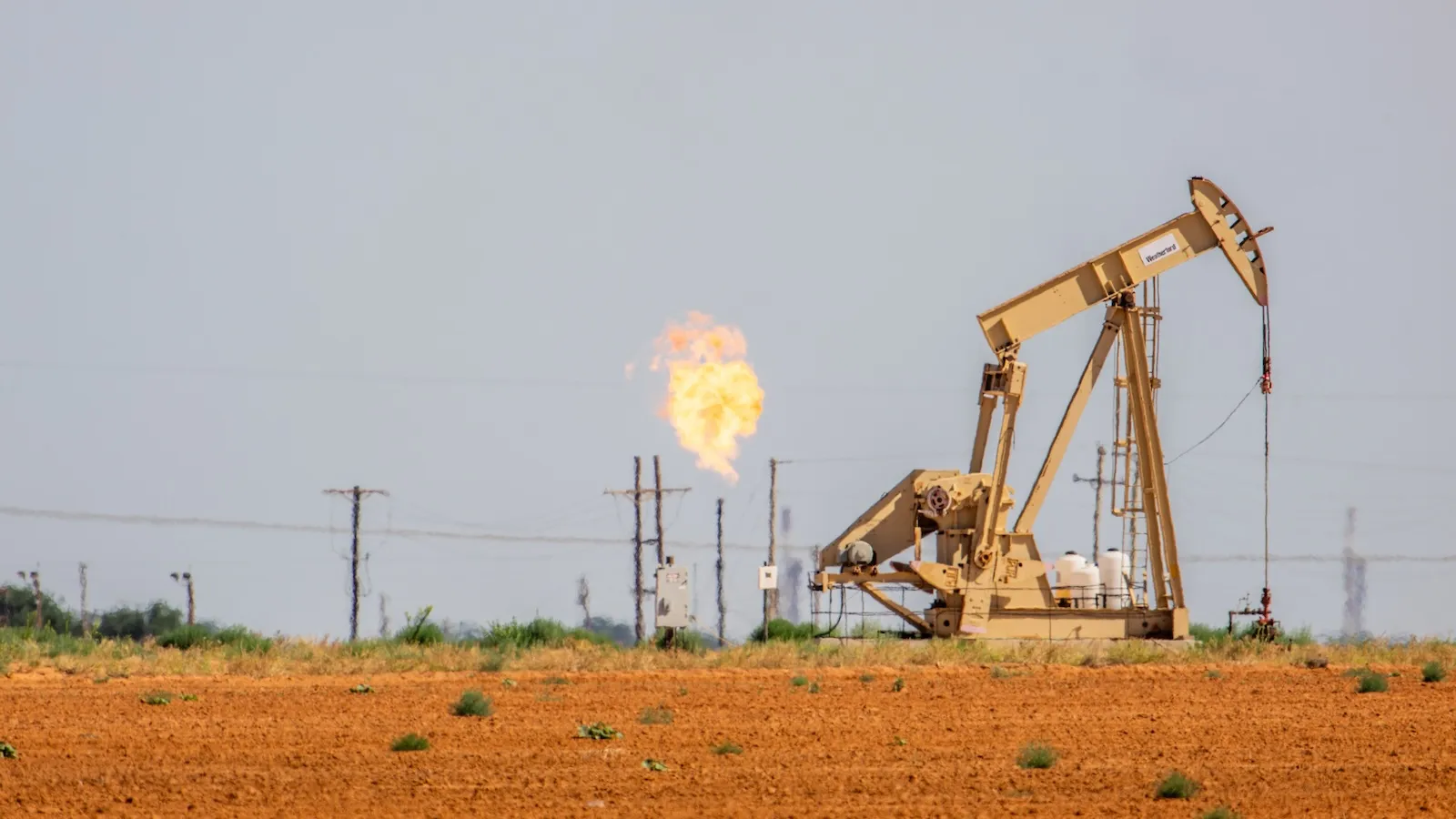
The Environmental Protection Agency has proposed repealing methane regulations that were finalized under the previous administration, marking another reversal of Biden-era environmental policies. The proposed rule relaxes monitoring and emission-control requirements for oil and gas operations, eliminates a satellite-based program designed to detect large leaks, loosens restrictions on routine flaring practices, and extends the timeframe for operators to repair detected leaks to 30 days.
The administration estimates the regulatory changes will save consumers and energy producers approximately $45 billion in costs while enabling increased natural gas and oil production. The reversal represents part of the administration’s broader “energy dominance” agenda, which has included approving additional drilling permits and opening millions of acres for fossil fuel extraction since the start of the current term.
The prior methane rule, which was among the Biden administration’s most ambitious regulatory efforts targeting the oil and gas sector, required operators to monitor overall emissions, conduct regular inspections of wells and pipelines for leaks, upgrade equipment, and significantly reduce or eliminate routine flaring. According to EPA estimates, the rule would have prevented 58 million tons of methane emissions over 15 years and conserved 400 billion cubic feet of natural gas annually.
Environmental advocates contend that weakened methane restrictions will negatively impact both climate change mitigation efforts and air quality in communities adjacent to oil and gas operations. Methane comprises approximately 12 percent of U.S. greenhouse gas emissions and is roughly 80 times more effective at trapping atmospheric heat than carbon dioxide over a 20-year period. The proposed rollback will particularly benefit low-producing “stripper” wells, which account for roughly half of industry emissions despite representing only 5 percent of total oil and gas production.
Article Attribution | Read More at Article Source
Article summary produced by Claude AI