

The United States has undertaken a significant restructuring of its global health approach under the second Trump administration, moving away from previous models centered on international organizations and non-governmental entities toward direct country-to-country agreements.
The transformation began with the dismantling of USAID earlier in the year, which experts characterized as creating immediate chaos in global health operations. Clinics closed abruptly in multiple nations, and patients dependent on U.S.-supported programs experienced severe disruptions, including interruptions in access to essential medications. Following this period of upheaval, the State Department developed the America First Global Health Strategy, intended to make the country safer, stronger, and more prosperous. These new MOUs, or Memoranda of Understanding, serve as the primary implementation mechanism for this revised strategy.
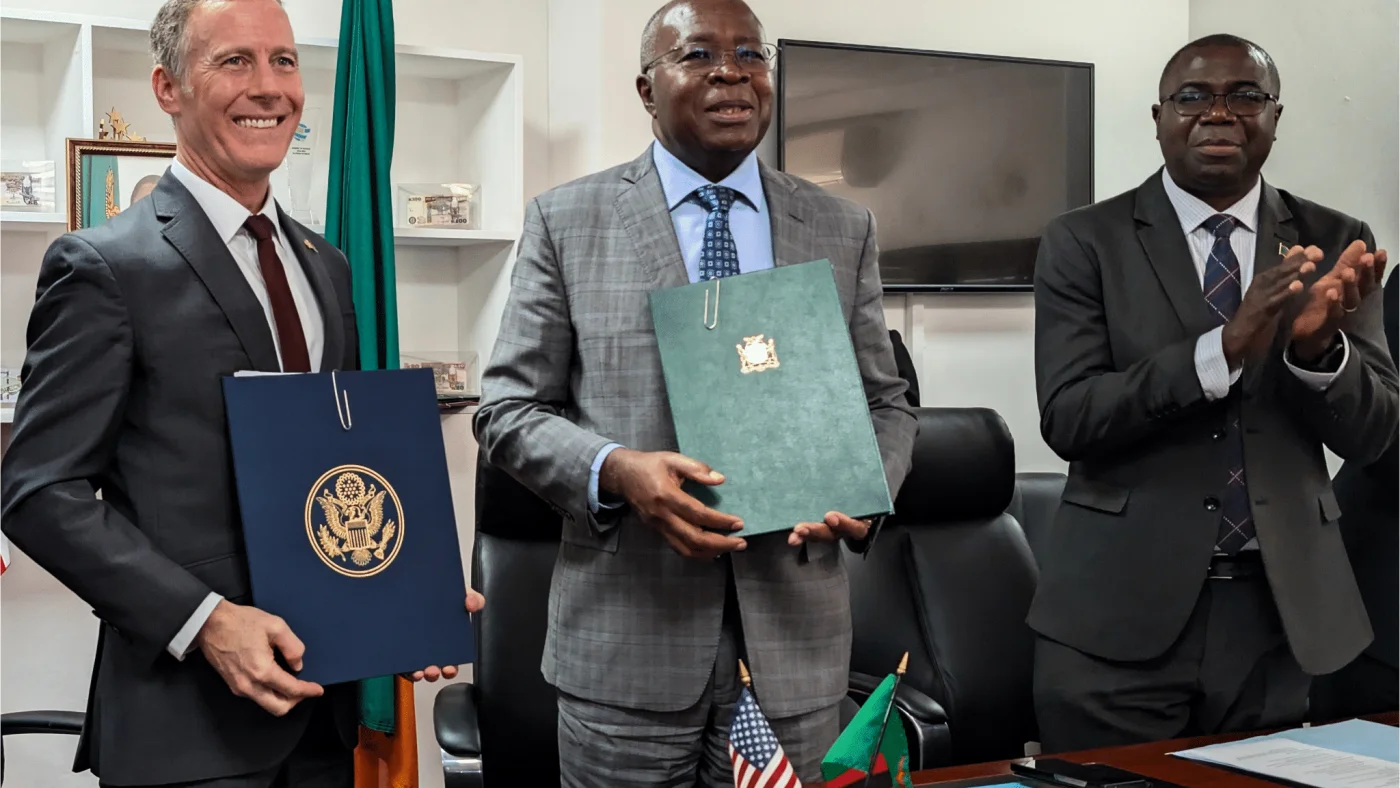
The bilateral agreements feature several defining characteristics. They are structured as transactional arrangements with specific requirements for recipient nations. In the Zambia agreement signed in October, the U.S. committed to providing $1.5 billion over five years, while Zambia agreed to increase its own domestic health expenditures by $975 million. The agreements typically require recipient countries to increase their financial contributions to health systems and establish timelines for transitioning away from U.S. aid dependency. Additionally, many arrangements include data-sharing provisions requiring nations to provide pathogen information and other health data.
Experts note that while the priorities embedded in these agreements—such as recipient country contributions and reduced aid dependency—have historically enjoyed bipartisan support in global health circles, implementation has been challenging. The compressed timeline for achieving major systemic changes, combined with reduced overall U.S. global health capacity, raises implementation concerns. Some observers worry the administration’s focus emphasizes process metrics rather than health outcome measures, potentially compromising the effectiveness of pandemic response efforts.
With Democratic control of Congress, there remains uncertainty about how the party will respond to these structural changes in U.S. global health engagement and strategy implementation.
Article Attribution | Read More at Article Source
Article summary produced by Claude AI