

The Trump administration’s second term initiated substantial changes to U.S. global health policy, beginning with the dismantling of USAID and subsequently developing what officials characterize as the America First Global Health Strategy. The initial transition period during the first half of 2025 created significant disruption, with clinics closing abruptly and patients losing access to medications and care in some of the world’s poorest nations.
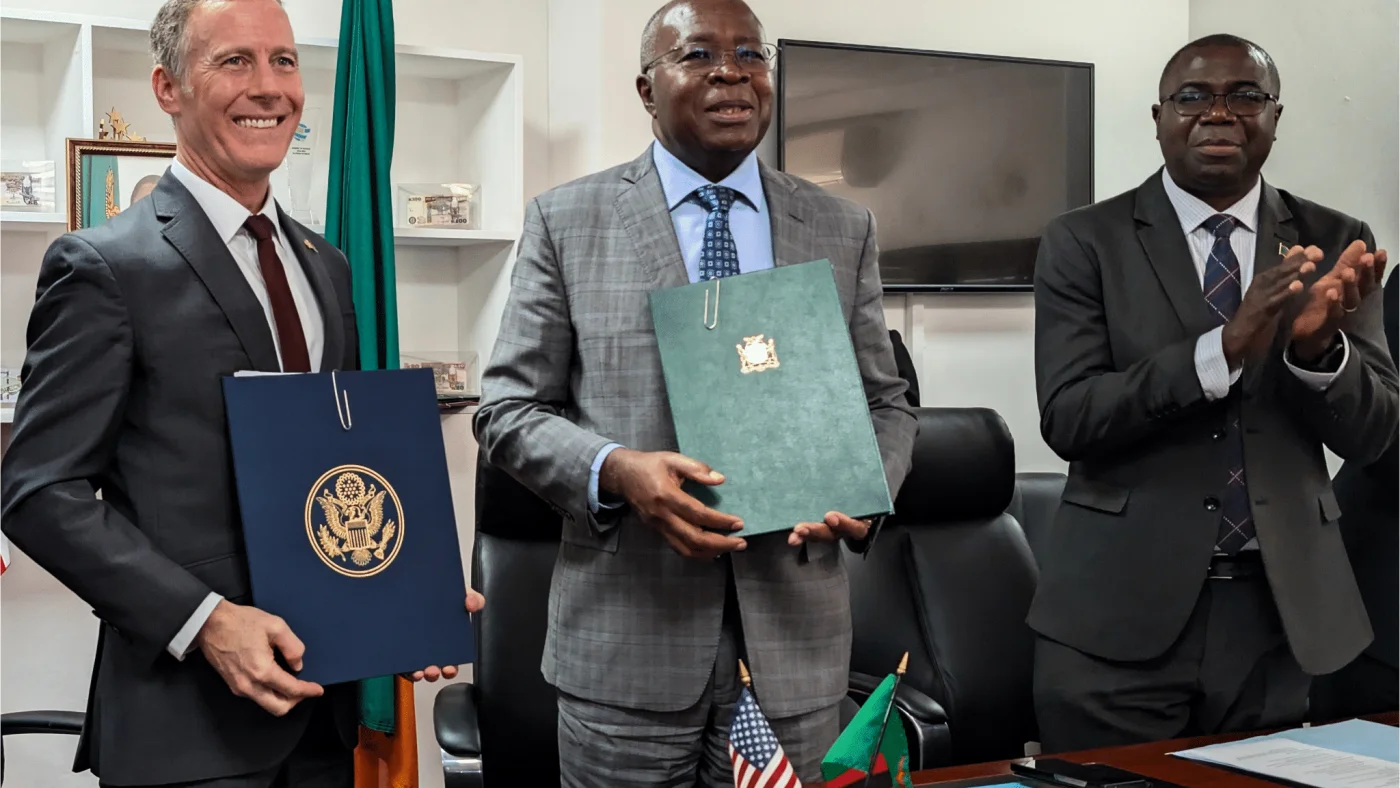
Beginning in the summer of 2025, the administration shifted toward implementing a more structured approach through bilateral memoranda of understanding with individual countries rather than channeling support through major international organizations or nongovernmental entities. A prominent example emerged in October when the U.S. and Zambia formalized such an agreement, with U.S. officials framing it as a transition from a traditional donor-recipient relationship toward a partnership model emphasizing local ownership and accountability.
Key components of these agreements include requirements that recipient nations increase domestic health spending, work toward reducing dependence on U.S. funding, and strengthen their own health infrastructure rather than parallel systems operated by outside organizations. The Zambia agreement commits approximately $1.5 billion in U.S. support over five years while Zambia pledges to increase its own health expenditures by $975 million. Such arrangements also typically involve data-sharing provisions regarding pathogen information, though initial proposals linking health funding to access to natural resources faced public opposition and were subsequently modified.
Global health experts across the political spectrum acknowledge the significant nature of these policy changes, though assessments of implementation challenges vary. Concerns include the compressed timeline for achieving major systemic reforms, reduced overall U.S. global health capacity, and questions about whether the administration is prioritizing process-oriented metrics over measurable health outcomes. The Democratic-controlled Congress is positioned to potentially influence how these agreements develop and what resources ultimately flow to global health initiatives.
Article Attribution | Read More at Article Source
Article summary produced by Claude AI