

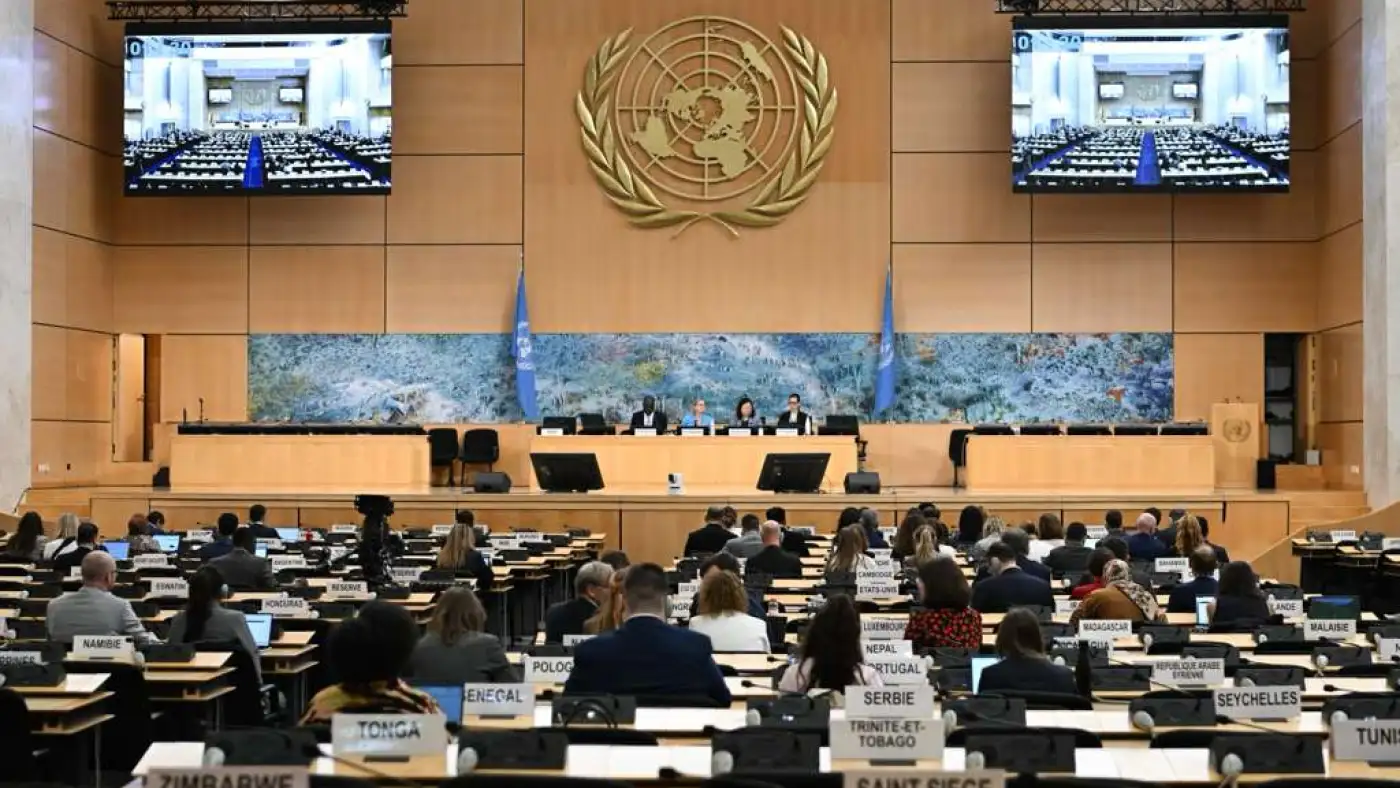
The United States declined to participate in the Universal Periodic Review process conducted by the United Nations Human Rights Council in Geneva, marking the second consecutive year it has abstained from the mandatory assessment. The review mechanism is designed to evaluate the human rights records of all 193 U.N. member states through peer examination every four to five years, with participation from both government representatives and civil society organizations.
This represents an unprecedented occurrence, as no country has previously missed the review twice. While Israel skipped a single review in 2013 to protest perceived anti-Israel bias, it returned nine months after the U.N. rescheduled the process. The United States remains the only nation to have failed to participate on multiple occasions.
The U.S. withdrawal occurs despite Washington’s formal departure from the Human Rights Council itself, which operates separately from the review process. Membership in the council is not required for participation in the universal periodic review, which applies to all U.N. member states as an obligatory procedure. The State Department characterized the council as promoting anti-American rhetoric, while human rights advocates pointed to concerns including immigration treatment, student protest suppression, and LGBTQ rights restrictions.
The absence of U.S. participation presents complications for the U.N. review framework. Member states had prepared questions addressing issues such as capital punishment and abortion restrictions, but lacked a diplomatic counterpart to receive responses. Rights organizations requested that the review proceed regardless, though U.N. officials expressed concern that conducting a review without the country present could establish a problematic precedent that other nations might exploit to avoid scrutiny.
The U.N. has deferred decisions on how to address the situation until early next year. The stalemate leaves limited recourse for American citizens seeking international human rights accountability mechanisms, according to civil society advocates monitoring the situation.
Article Attribution | Read More at Article Source
Article summary produced by Claude AI