

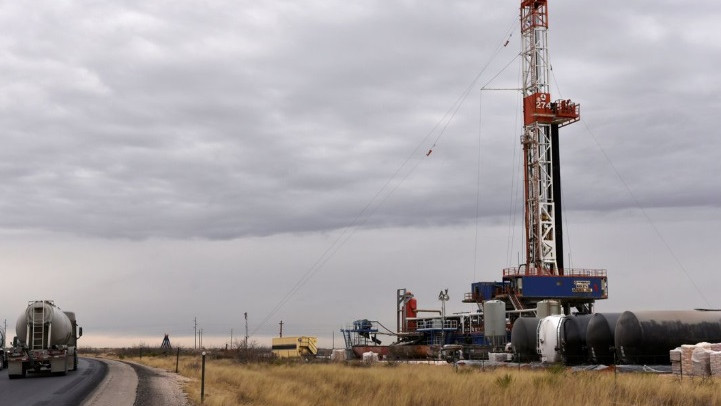
The number of active drilling rigs for oil and gas in the United States expanded during the latest reporting period, with the total rig count rising to 607 units according to data released by Baker Hughes. The increase represents a significant jump compared to the same period last year, when the total stood 53 rigs lower. Oil-specific rigs increased by 6 to reach 469 during the reporting period, maintaining a year-over-year gain of 50 units.
U.S. crude oil production continued its upward trajectory, reaching record levels for the fourth consecutive week. Output reached 14.032 million barrels per day during the week ending November 13, representing growth from both the prior week and the comparable period a year ago, when production stood at approximately 13.834 million barrels per day. The frac spread count, which tracks the number of crews actively completing wells, fell slightly to 191 during the same period but remained elevated on a year-over-year basis.
Regional drilling activity showed mixed results, with the Permian Basin seeing gains and the Eagle Ford holding steady. The Permian Basin added 2 rigs during the reporting period to reach 277 total, maintaining a substantial year-over-year increase. The Eagle Ford rig count remained unchanged at 50, though this represented a notable gain compared to prior-year levels.
These increases in drilling and production activity occurred against a backdrop of declining oil prices. Brent crude traded at $91.42 per barrel following the data release, while West Texas Intermediate was quoted at $82.31 per barrel. The energy sector has experienced notable price pressures over the past month, with WTI falling $14 per barrel during that span.
Article Attribution | Read More at Article Source
Article summary produced by Claude AI