

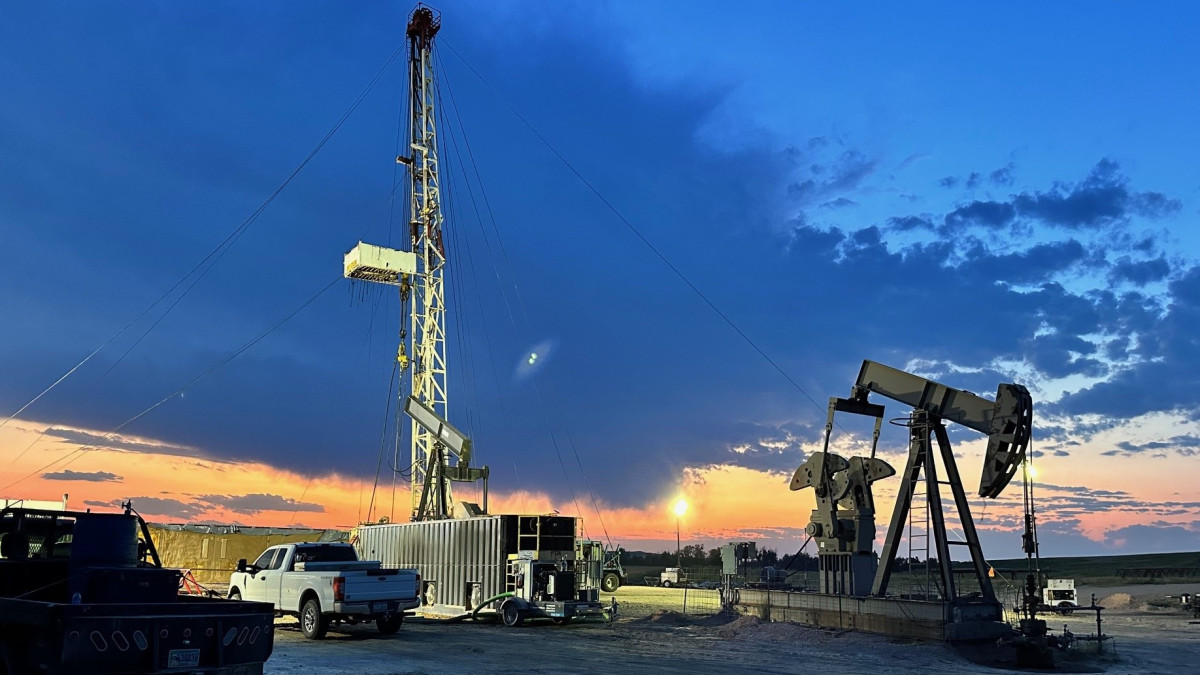
The active drilling rig count for oil and gas operations in the United States ticked upward during the latest reporting period, rising to 604 rigs according to data released by Baker Hughes. This represented a gain of 56 rigs compared to the same period last year, indicating a modest expansion in drilling activity despite volatile market conditions.
Within the overall rig count, oil-directed drilling activity increased by 1 rig to reach 463, placing the oil rig total 49 units above year-ago levels. Gas-focused rigs also rose by 1 to 131, though this represented only a 3-rig increase year-over-year. Miscellaneous rigs declined by 1 to reach 10. Meanwhile, crude oil production reached a new record during the week ending October 30, climbing to 14.003 million barrels per day, up 352,000 bpd compared to the same period last year.
The Permian Basin, a major U.S. oil-producing region, saw its active rig count climb by 1 to 263, positioning it 22 rigs higher than year-ago levels. The Eagle Ford shale formation maintained its rig count at 50, representing an 8-rig increase year-over-year. Separately, the Frac Spread Count, which tracks well-completion crews, fell for the third consecutive week, declining by 3 to 191, though it remained 16 above year-ago levels.
Commodity prices showed significant downward pressure during the period. Brent crude traded at $97.32 per barrel, down roughly $20 from the previous week, while West Texas Intermediate oil fell to $90.00 per barrel, approximately $14 lower than the prior week. Despite the price declines registered during the reporting week, drilling activity continued its expansion trajectory.
Article Attribution | Read More at Article Source
Article summary produced by Claude AI