

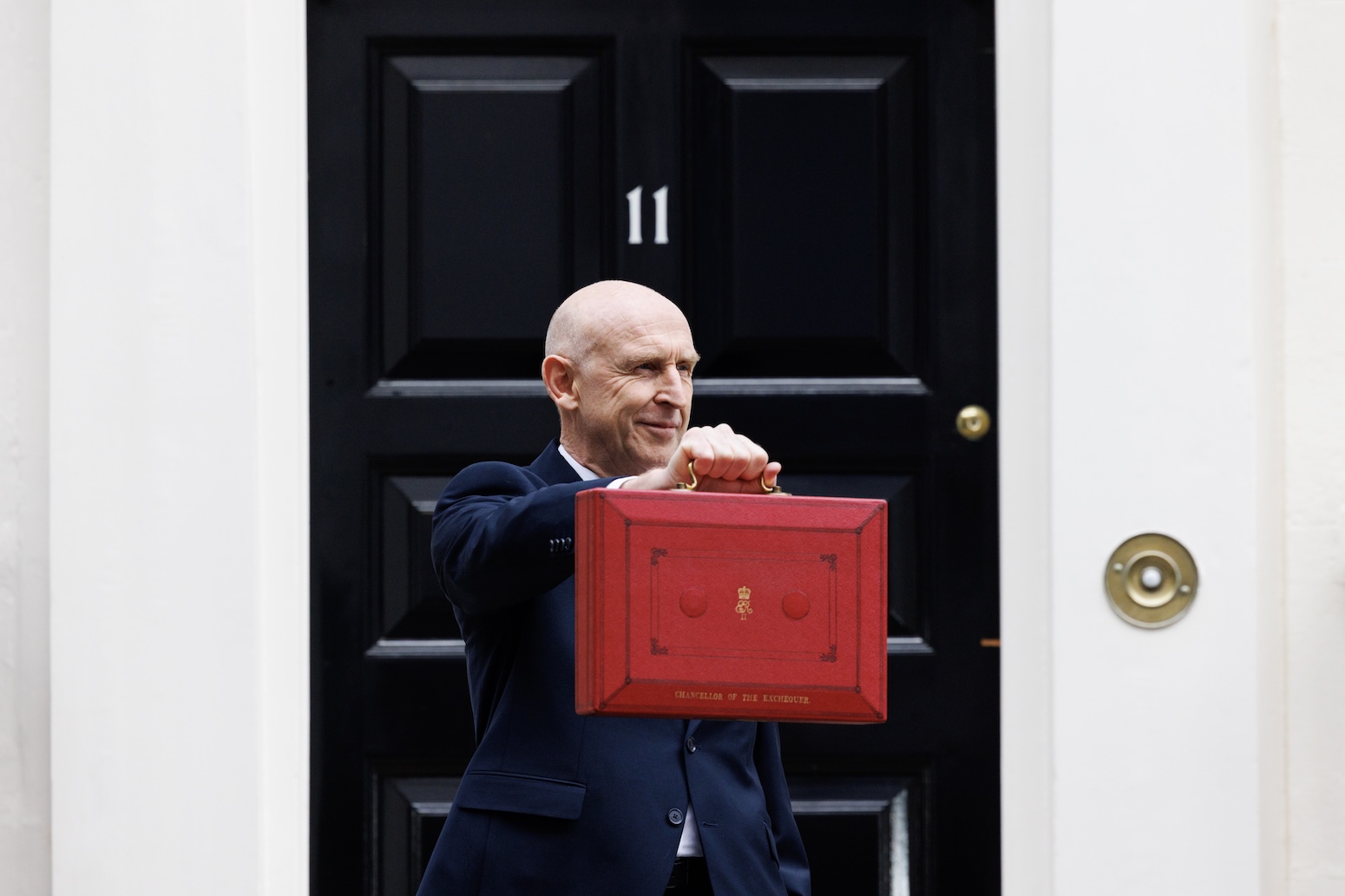
Chancellor John Healey presented the government’s first budget with a stated focus on reducing energy costs amid global market disruptions caused by Middle East conflict. The budget emphasizes what officials describe as a fundamental shift in energy policy, with clean power positioned as central to achieving lower bills rather than as a separate environmental objective. The Office for Budget Responsibility noted that fossil fuel prices rose 83% in the year to September 2026, contributing to pressure on household and industrial energy costs.
The government reaffirmed its commitment to net-zero by 2050 and the clean power by 2030 target, rejecting calls from opposition politicians to abandon climate goals. However, the budget document introduces language about a “new energy pathway,” suggesting a recalibration of priorities. Short-term measures include a £100 council-tax rebate for English households in bands A-D, costing £2.6bn, extension of temporary VAT relief on household electricity bills through July 2027, and removal of the gas standing charge. Officials announced plans for a comprehensive cost-control framework to be established at the 2027 spending review, with a commitment that no new policy costs will be added to energy bills until that framework is in place.
To fund defense spending, the government is cutting £1bn from the warm homes plan and £700m from hydrogen and carbon capture and storage projects, with additional cuts of up to £4.7bn to the warm homes program. The budget also ends zero-rated VAT for solar panels and extends a temporary 5p fuel duty cut. The government welcomed approval of the Jackdaw gasfield as supporting energy security and indicated it would consult on market arrangements for gas, potentially including strategic reserves for gas-power plants.
Industry bodies, think tanks, and charities had proposed more substantial bill-relief measures ahead of the budget announcement. Forecasts suggest household bills could rise by approximately £470 to around £2,200 annually when the price cap is announced later this year, raising expectations that additional government support may be required. The budget specifies that future clean power projects will be selected based on their ability to lower bills and connect easily to the grid.
Article Attribution | Read More at Article Source
Article summary produced by Claude AI