

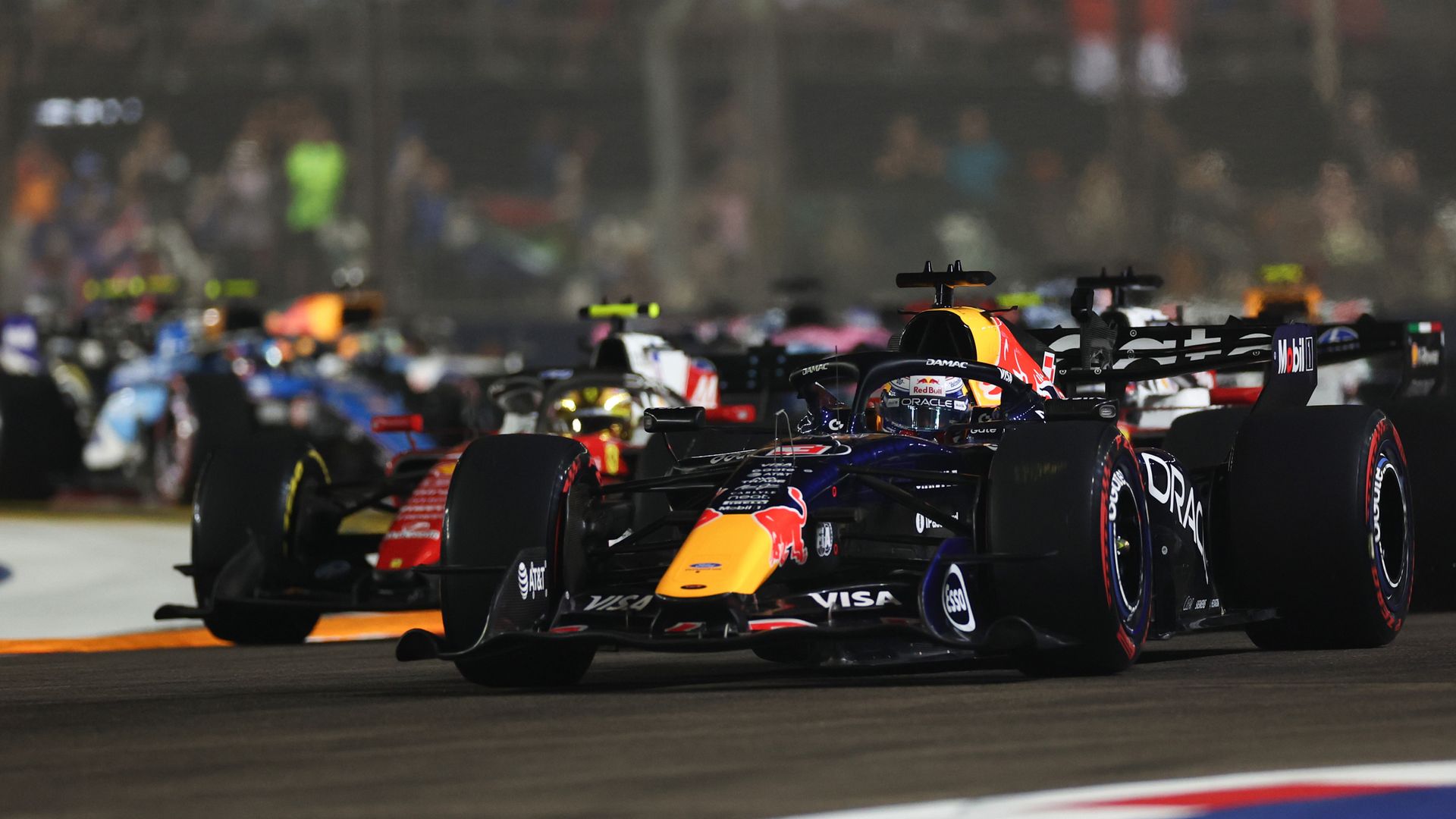
The FIA announced on Friday that Formula 1 will return to V8 engines starting in 2030, marking a significant shift in the sport’s technical regulations. The decision came after the FIA, Formula One Management, teams, and power unit manufacturers unanimously agreed on a technical framework involving a 2.1-litre turbocharged V8 power unit. This move represents a return to V8 technology 17 years after the sport transitioned to what were described as “road relevant” engines.
FIA president Mohammed Ben Sulayem characterized the change as an opportunity to reconnect with the core identity of Formula 1, emphasizing a vision for lighter, simpler, and more affordable cars that would prioritize driver skill. He stated the transition aims to restore the sound, emotion, and racing characteristics associated with the sport historically while maintaining innovation and sustainability standards.
The current power units, approximately 53 percent electrically powered, have faced criticism from multiple drivers this season. Concerns have centered on the driving style changes required by the hybrid systems and instances where drivers cannot push vehicles to full capacity through traditional racing lines on certain circuits.
Several drivers have publicly supported the change. Max Verstappen, a vocal critic of the 2026 power units, indicated the FIA had listened to driver concerns, though he expressed a preference for naturally aspirated engines and suggested he would ideally favor V10 architecture. Mercedes driver George Russell emphasized the importance of retaining a hybrid component to maintain power output levels exceeding 1,000 brake horsepower.
Among the current grid, only Lewis Hamilton, Fernando Alonso, Nico Hulkenberg, Sergio Perez, and Valtteri Bottas competed during the previous V8 era, which concluded in 2013. Most other drivers have experienced V8-powered cars through demonstration events at fan functions.
Article Attribution | Read More at Article Source
Article summary produced by Claude AI