

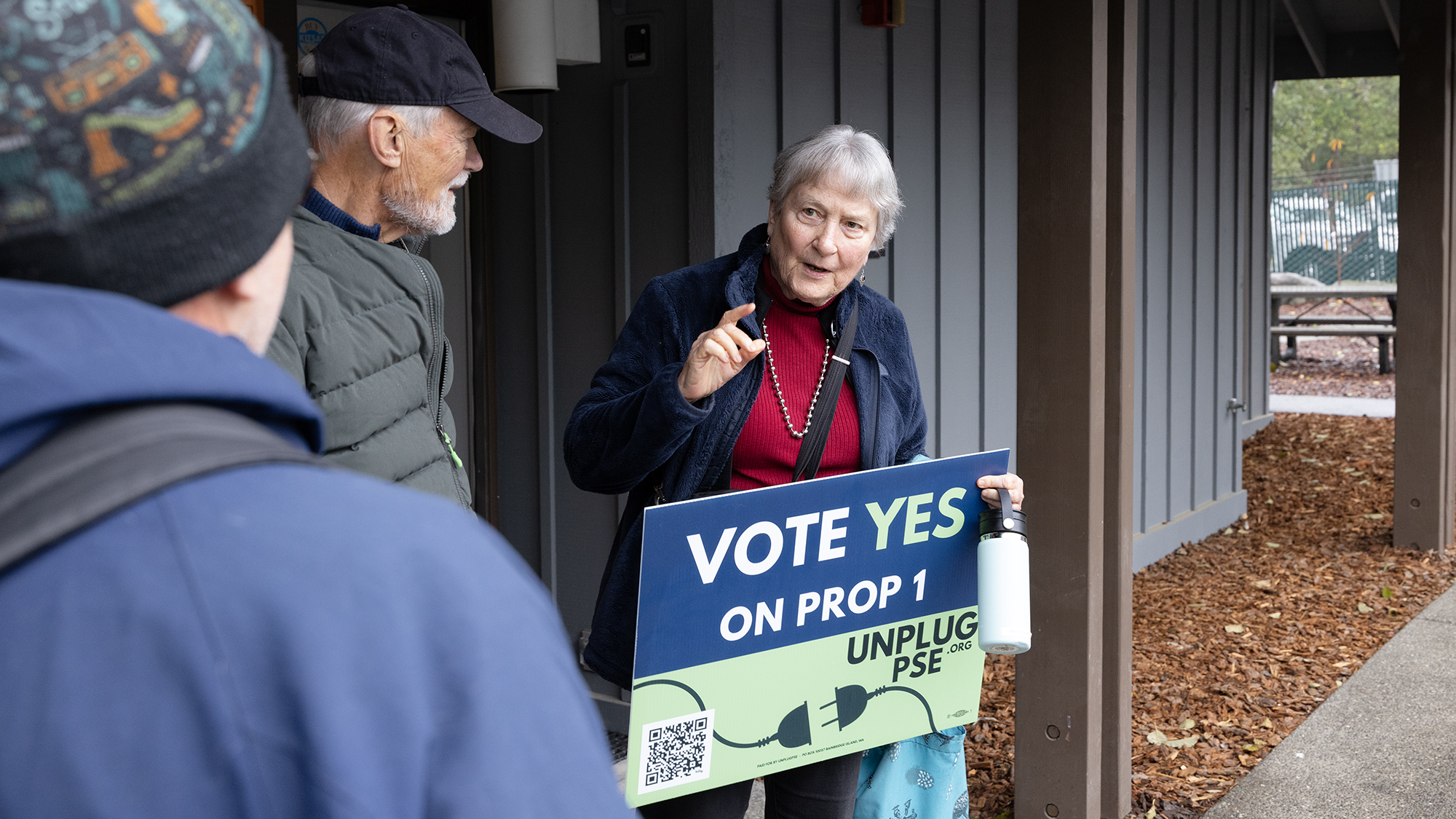
Two communities considered replacing their for-profit electric utilities with publicly owned alternatives during recent elections, but both initiatives failed at the ballot box. Ann Arbor, Michigan, and Kitsap County, Washington, pursued similar efforts to transition to public power systems, citing concerns about rising electricity costs and the need for faster climate action. Research indicates that public utilities across the country typically charge lower rates and provide more reliable service than their for-profit counterparts, while operating with accountability to local communities rather than shareholders.
In Kitsap County specifically, Puget Sound Energy’s rates have risen substantially in recent years, with average bills nearly doubling over five years and the company proposing additional increases totaling 32 percent by 2029. Utility commissioners launched a ballot initiative authorizing the local utility district to explore taking over power service. However, the measure was designed to proceed without a detailed feasibility study completed beforehand, creating vulnerability to opposition messaging.
Private utilities deployed substantial resources to defeat both initiatives. In Kitsap County, Puget Sound Energy’s opposition campaign spent $2.3 million, making it one of the most expensive local ballot fights in state history. The company’s messaging centered on cost and risk concerns. By contrast, grassroots supporters operated with minimal budgets—the Kitsap advocacy group had approximately $9,000 to work with—and local utility districts faced legal restrictions on their ability to campaign in favor of the measures.
Public power has a complex history in the region. Washington established the framework for public utility districts in the 1930s through ballot initiatives and New Deal programs, leading to widespread adoption. However, the movement stalled after the 1950s amid political opposition. A notable exception occurred in 2008 when Jefferson County successfully created a new public utility, which now operates on carbon-free electricity and maintains bills approximately 19 percent lower than surrounding areas. The recent defeats in Ann Arbor and Kitsap County continued a broader national pattern of struggling public power efforts.
Article Attribution | Read More at Article Source
Article summary produced by Claude AI