

Two communities held elections this month on measures to create public power utilities, but both initiatives failed by narrow margins. Ann Arbor, Michigan, and Kitsap County, Washington, each proposed replacing their current for-profit utility providers with municipally owned systems. Advocates for public power argue that community-controlled utilities typically charge lower rates, provide more reliable service, and can transition to renewable energy more quickly than investor-owned companies focused on shareholder returns.
The structural challenge of establishing a new public utility today differs significantly from earlier efforts. Rather than building new infrastructure from scratch, modern public power initiatives must essentially purchase existing grid infrastructure from established for-profit companies—a costly and complex undertaking. In Washington state, public power was once a major force following voter approval of public utility districts in the early 20th century and the creation of the Bonneville Power Administration during the New Deal. However, opposition campaigns in the 1950s, which characterized public power as communist ideology, contributed to decades of failed efforts nationwide.
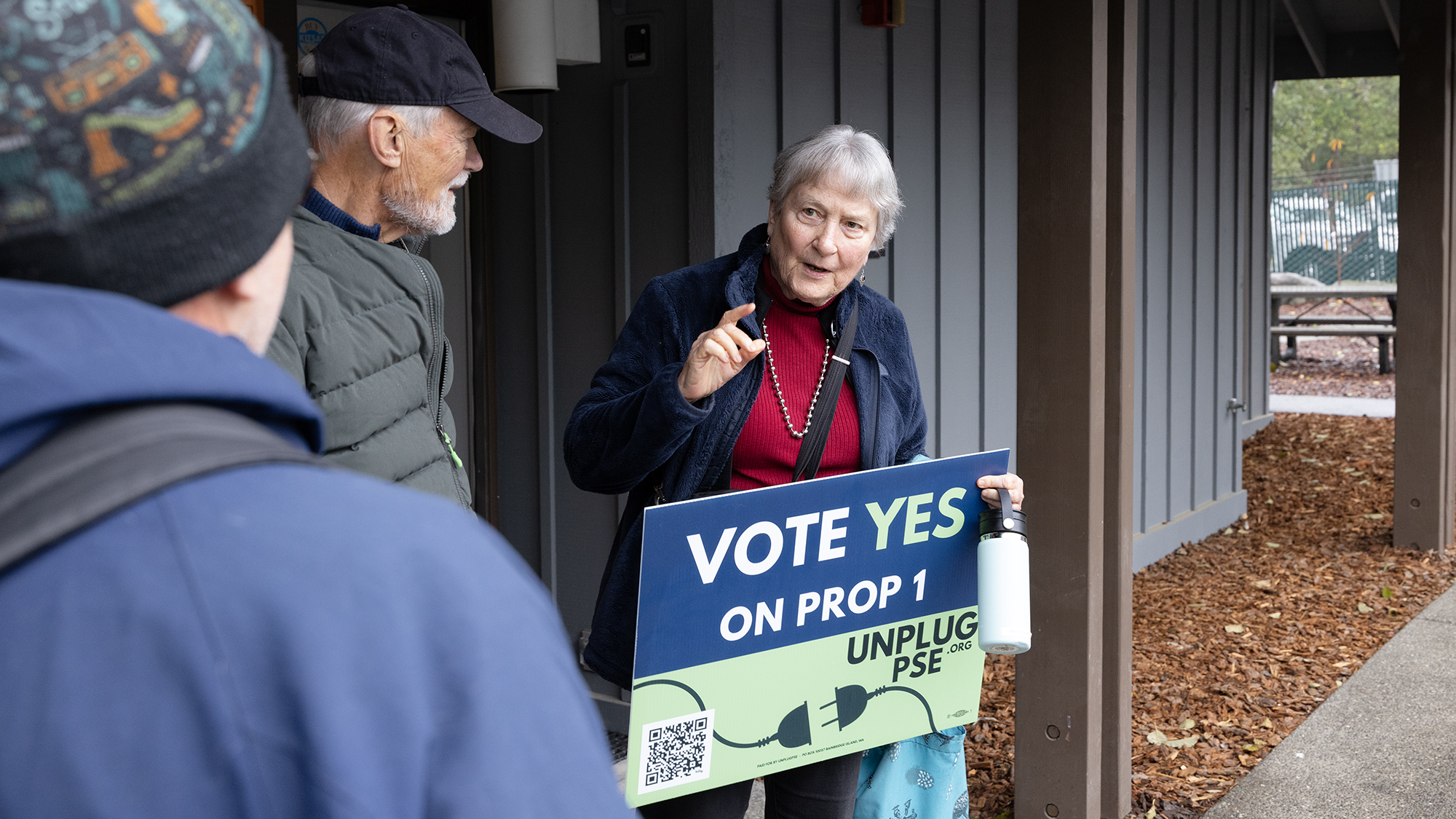
Kitsap County’s situation illustrated the economic pressures driving renewed interest in public power. Over five years, average electricity bills from the incumbent provider nearly doubled, with additional increases totaling 32 percent proposed through 2029. The county utility district sought voter authorization to conduct a full feasibility study on taking over power service. However, the measure’s design—requiring approval before detailed cost analysis—proved strategically disadvantageous during the campaign.
The private utility company opposing the measure spent approximately $2.3 million on opposition advertising, making it among the most expensive local ballot fights in state history. Meanwhile, the public utility district faced legal restrictions preventing comparable advocacy efforts. A grassroots organization attempted to counter the opposition campaign, but the informational imbalance proved decisive. Jefferson County, a neighboring region that successfully created a public utility in 2008, now operates on entirely carbon-free electricity with bills roughly 19 percent lower than surrounding areas served by the for-profit provider.
Article Attribution | Read More at Article Source
Article summary produced by Claude AI