

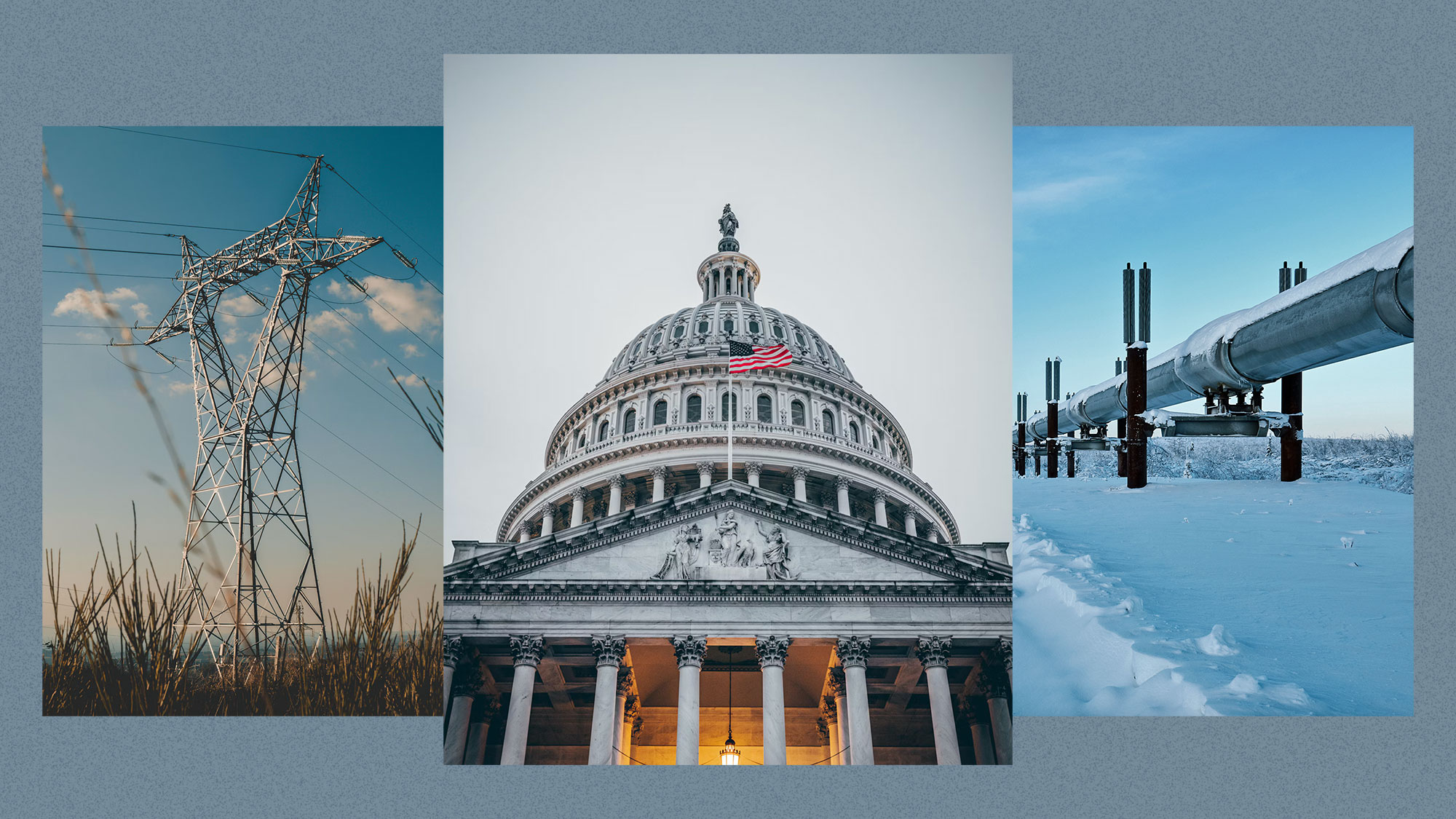
The Senate recently approved the Bipartisan American Affordability and Jobs Act, a permitting reform measure designed to expedite the construction of large-scale infrastructure projects, particularly renewable energy installations and transmission lines. The legislation responds to longstanding delays that have hindered the deployment of clean energy infrastructure across the United States. The SunZia wind farm and transmission line project in New Mexico exemplifies these challenges, requiring two decades for completion while facing legal opposition from various stakeholders, including tribal nations with concerns about impacts to historic sites.
At its core, the bill seeks to streamline the federal permitting process by reducing timelines for environmental and historic preservation reviews required under the National Environmental Policy Act and the National Historic Preservation Act. These existing laws mandate that federal agencies assess potential environmental, economic, and social impacts of major infrastructure projects and consider public input before issuing permits. The permitting process has become a frequent source of project delays when opponents file lawsuits challenging the adequacy of environmental reviews, which can force agencies to restart their analysis even when ultimately reaching the same conclusions.
The legislation would narrow the scope of impacts agencies must consider, restrict standing for lawsuits against permits, and shorten filing deadlines for legal challenges. Supporters, including clean energy companies and climate-focused lawmakers, argue these measures are essential for modernizing the electrical grid and enabling the transition to renewable energy sources. Critics, including tribal representatives and environmental organizations, contend the bill could diminish community oversight and jeopardize protections for historic sites and sacred lands.
The bill includes specific provisions targeting electricity infrastructure, granting federal authority to override state objections to interstate power lines and preventing states from using the Clean Water Act to block certain water crossway projects. Analysts project the legislation could reduce electricity costs modestly over the coming years by facilitating power transmission between regions and enabling cleaner energy distribution. However, the measure would apply equally to fossil fuel infrastructure, raising concerns about accelerating pipeline and other conventional energy projects alongside renewable development.
The bill requires Senate passage in the House and presidential approval before taking effect. Its implementation would significantly alter the balance of power between federal, state, and local authorities in infrastructure decision-making.
Article Attribution | Read More at Article Source
Article summary produced by Claude AI