

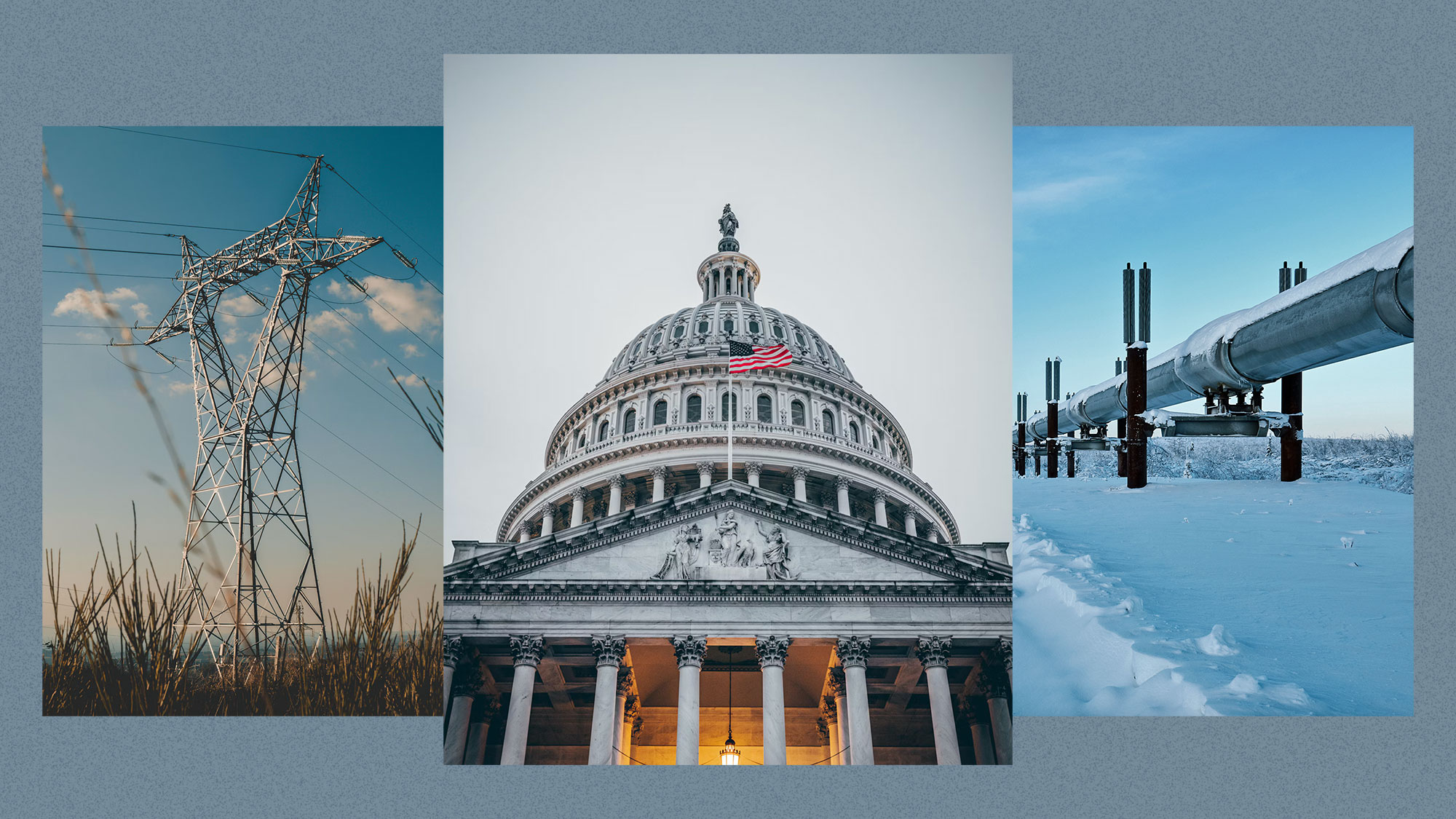
The Senate this week advanced the Bipartisan American Affordability and Jobs Act, commonly referred to as BAAJA, permitting reform legislation designed to expedite the construction of large infrastructure projects, particularly renewable energy installations and power transmission lines. The bill responds to documented delays in major projects, exemplified by the SunZia wind farm and transmission line in New Mexico, which required two decades to complete and continues facing unresolved legal disputes over impacts to historic and tribal sites.
The legislation would modify several federal regulatory processes that currently govern infrastructure development. It would accelerate environmental and historic preservation reviews required under the National Environmental Policy Act and the National Historic Preservation Act, narrow the scope of impacts that agencies must evaluate, restrict who may challenge project approvals in court, and impose stricter deadlines for legal action. Additionally, the bill would grant the federal government expanded authority to override state objections to interstate power lines and require regional grid operators to approve transmission projects that enhance reliability and affordability. A controversial provision would limit states’ ability to invoke the Clean Water Act to block power lines or pipelines crossing waterways.
Proponents, including clean energy companies and climate-focused lawmakers, argue the reforms are necessary to modernize an aging power grid and facilitate renewable energy deployment across regions. They contend that streamlined permitting would reduce project costs and timelines while enabling households and businesses to more easily sell electricity from distributed solar and battery systems to the grid. Energy experts project the bill could modestly lower electricity costs over the coming 15 years by facilitating power transfers between regions.
Opposition centers on concerns that the bill would diminish public participation and community oversight. Critics argue the changes could impair tribes’ ability to protect sacred sites and historic resources, limit environmental groups’ capacity to identify potential harms, and reduce local governments’ influence over infrastructure decisions. While the bill would not substantially affect projects built on private land within single states, it could accelerate fossil fuel infrastructure alongside renewable projects, though analysis suggests renewable energy would likely receive proportionally greater benefits.
The legislation requires approval from the House and the president’s signature before becoming law.
Article Attribution | Read More at Article Source
Article summary produced by Claude AI