

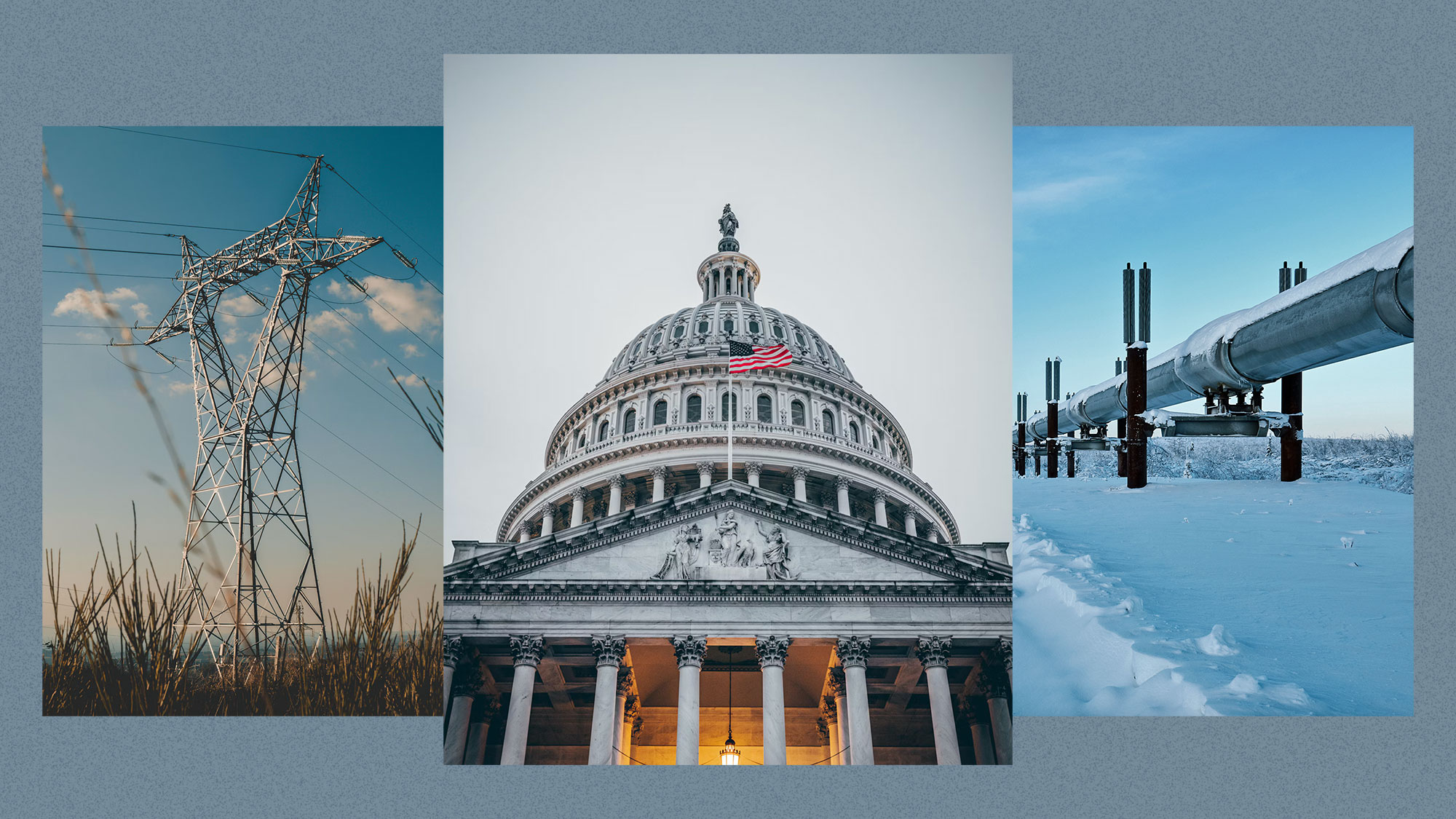
The Senate is advancing the Bipartisan American Affordability and Jobs Act, or BAAJA, a permitting reform measure intended to remove bureaucratic obstacles slowing infrastructure development. The bill targets delays created by federal environmental and historic preservation review processes, which can halt projects for years even after regulators have approved them, as demonstrated by the SunZia wind farm that required two decades to complete.
Under the proposed legislation, federal agencies would have tighter timelines for conducting environmental impact studies under the National Environmental Policy Act and historic site reviews under the National Historic Preservation Act. The bill would restrict which parties can challenge project approvals in court, narrow the range of impacts agencies must analyze, and shorten filing deadlines for legal challenges. Proponents argue these changes are essential for modernizing the electrical grid and deploying renewable energy at scale, noting that transmission line construction has declined significantly over the past decade despite growing demand.
The measure includes provisions specifically addressing power grid expansion, granting federal authorities greater power to override state objections to interstate transmission lines and preventing states from using certain water quality protections to block power lines or pipelines crossing waterways. The legislation would likely lower electricity costs modestly over the following 15 years by facilitating power transfers between regions and enabling distributed solar and battery systems to sell excess generation to the grid.
Opponents contend the bill would substantially weaken community and tribal participation in infrastructure decisions. Environmental advocates and tribal representatives worry that shortened review periods and restricted lawsuit rights could prevent adequate examination of risks to historic sites, archaeological resources, and sacred lands. The bill also applies to fossil fuel infrastructure broadly, raising concerns that gas and pipeline projects could expand alongside renewables. The measure requires Senate passage, then House approval and presidential signature before becoming law.
Article Attribution | Read More at Article Source
Article summary produced by Claude AI